Drop Out Expulsion Fuse: An Overview
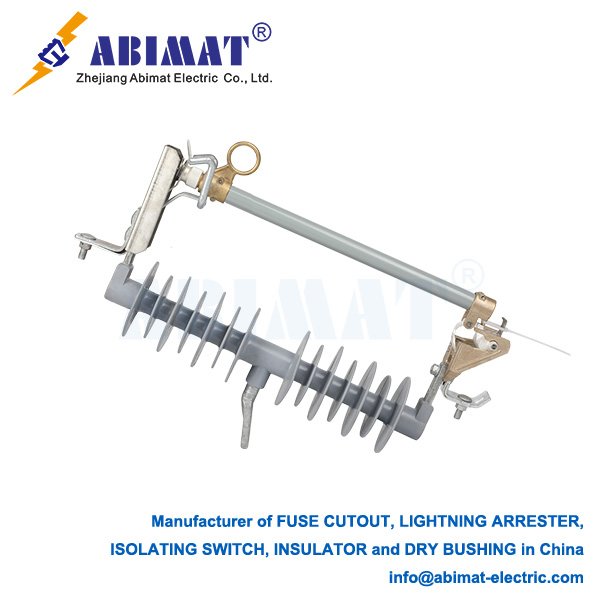
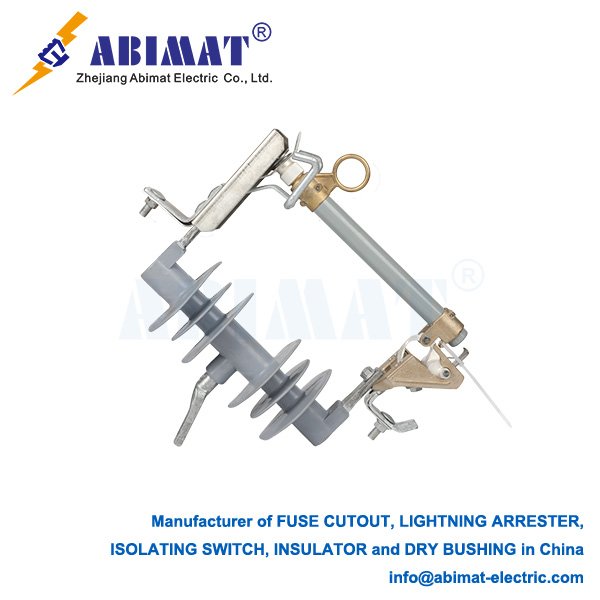
A drop out expulsion fuse is an important protective device. It’s widely used in overhead electrical distribution systems—usually for systems where voltages go up to 38 kV. Its main jobs are to stop overload currents and fault currents. That way, it protects transformers, capacitors, and parts of power lines from getting damaged. It has a special “drop out” mechanism, too. This mechanism gives a clear, easy-to-see sign that the fuse has worked—and that’s a big advantage for how it operates.
Now, how does this fuse work? The idea behind it is simple, but it works well. The main part of this fuse is a fuse link. Often, this link is held inside a tube. The tube is made of an insulating material—things like fiberglass or synthetic resin. Inside the tube, there’s a lining of arc-stopping material. Boric acid is one example, or other substances that make gas. The whole setup is mounted on a hinge mechanism. This hinge lets the fuse pivot (swing) when it needs to.
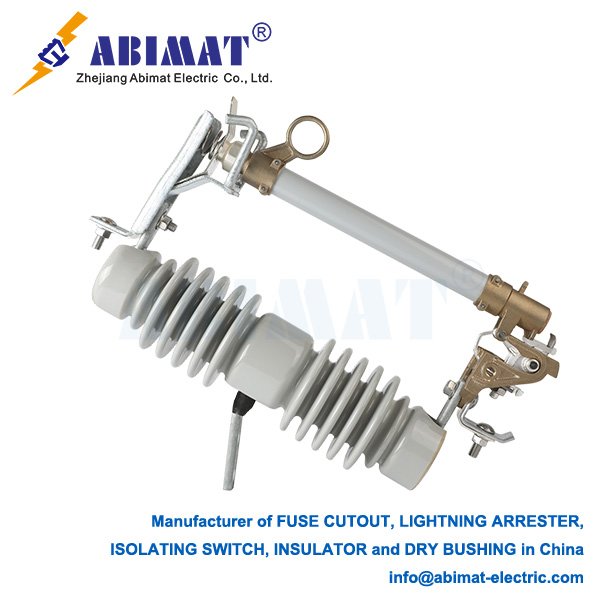
This design has some key pluses. First, it works as both a fuse and an isolator—so it does two jobs at once. Second, maintenance teams get a clear visual sign when there’s a fault. And third, it’s cheap to use for utility companies. Another good thing: the expulsion process clears itself. Once the fault is fixed, you can easily reload the fuse to use it again.
To sum up, the drop out expulsion fuse is still a basic but reliable part for overcurrent protection in medium-voltage distribution networks. People like it because it’s simple, safe, and you can clearly tell how it’s working.