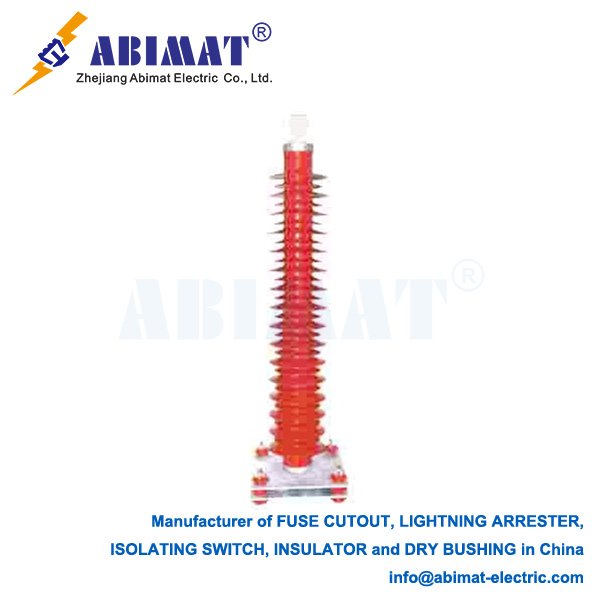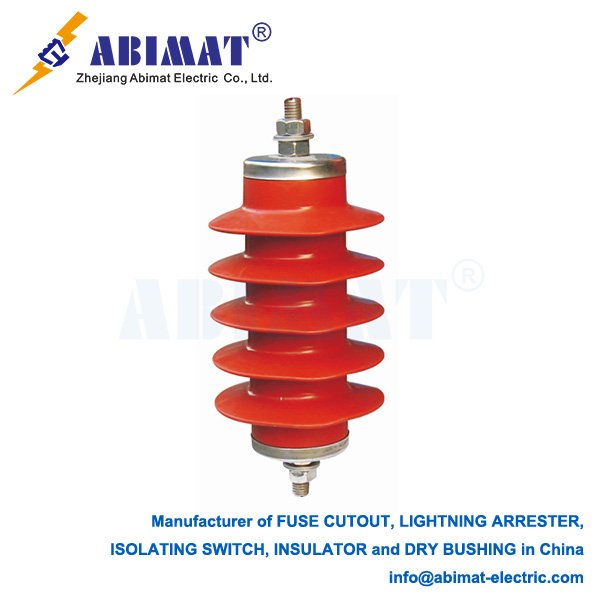
The 132 kV Lightning Arrester: Protecting High-Voltage Transmission Systems
A lightning arrester is a key protective device in electrical power systems. It limits harmful overvoltages from lightning strikes or switching surges. It does this by steering surge current safely into the ground. In 132 kV transmission networks, these arresters are vital. They stop expensive equipment—like transformers—from suffering insulation failure. They also keep the power grid reliable.
Overhead transmission lines rely on three main kinds of surge arresters. Each serves a specific purpose in protection.
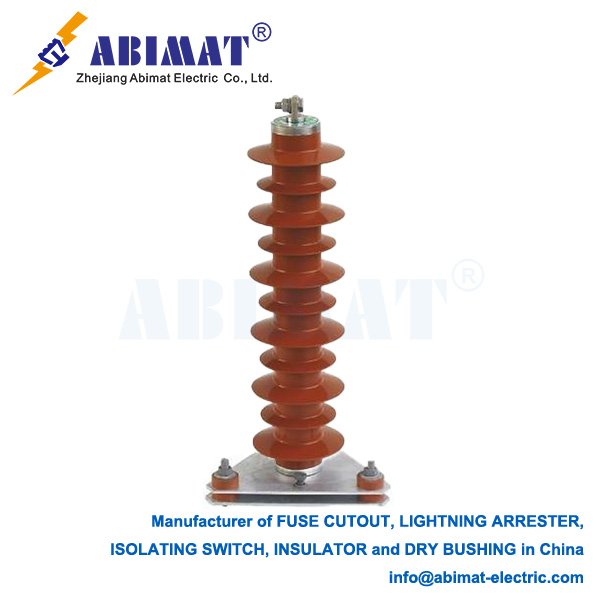
This advanced performance makes it better than older technologies, such as silicon carbide arresters. It has clear advantages:
——Better Non-linearity: It seals well and needs no series gaps. This allows it to work continuously at a voltage close to the system’s normal level.
——Faster Response: It reacts almost right away when a transient issue occurs.
——High Energy Absorption: It can take in and spread out large amounts of energy from strong lightning or big switching surges.
——No Regular Maintenance: Its sealed, gapless design keeps it stable and reliable for a long time.
In practical use, people intentionally connect these arresters between the phase and the ground. They are usually fixed at the terminals of transformers, circuit breakers and other important equipment. They act as the first line of defense. They prevent insulation failure and expensive equipment damage, so the system keeps working reliably.
To sum up, the abimat metal-oxide surge arrester is a necessary and high-performance component. It ensures the safety and long service life of modern electrical infrastructure.