Category: news

  • Lightning Arresters on Transmission Lines: Shielding the Grid from Surges​

    Lightning Arresters on Transmission Lines: Shielding the Grid from Surges​

    Lightning Arresters on Transmission Lines: Shielding the Grid from Surges​

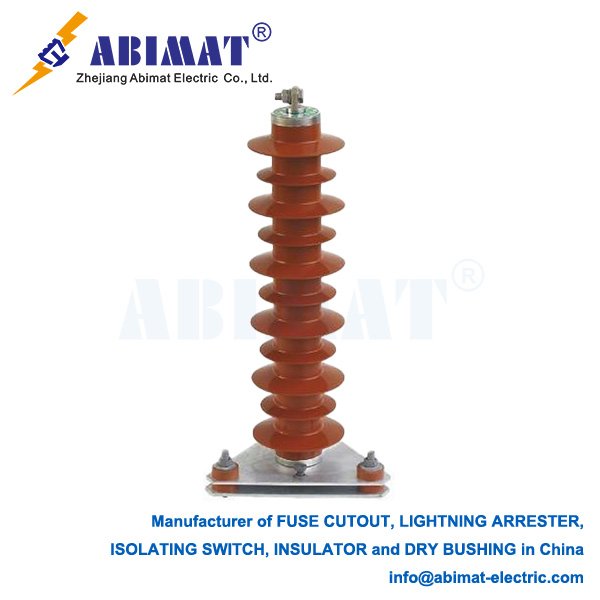
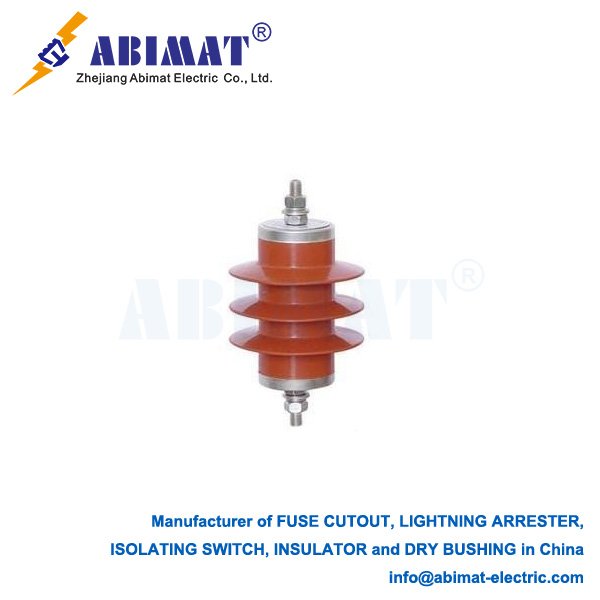
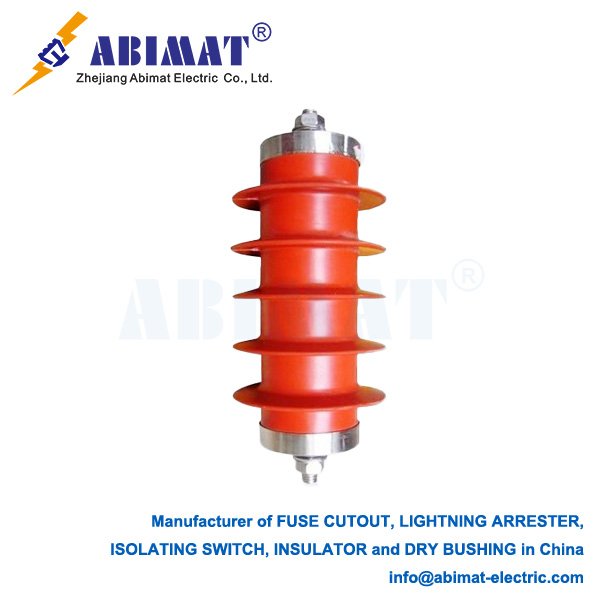
      Lightning arresters are key protective devices on transmission lines. They keep expensive equipment—like transformers and circuit breakers—safe from harmful overvoltages. Overhead ground wires help protect the lines too. They shield the phase conductors from direct lightning strikes, but they can’t get rid of all risks. Lightning arresters offer a stronger, more targeted defense. This defense helps keep the power system reliable.​
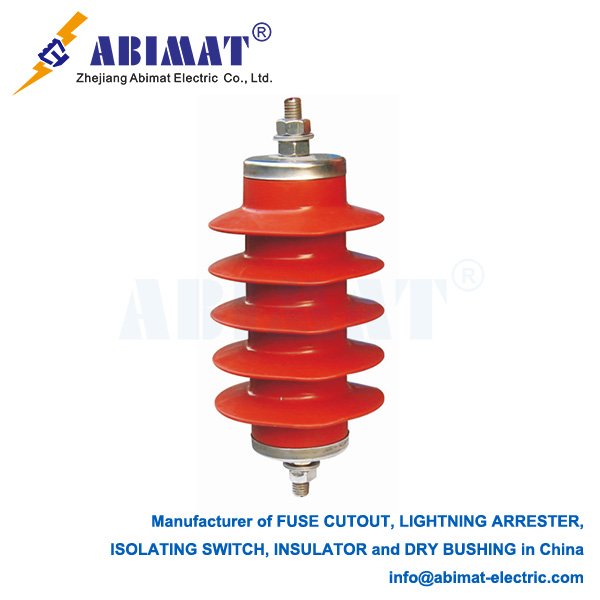
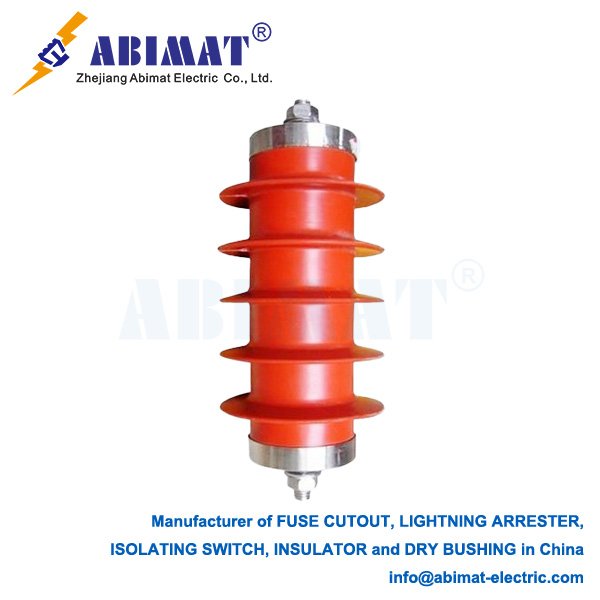
      The main job of a lightning arrester is to limit the voltage on the conductor it protects. It works like a highly nonlinear resistor. When the system runs at normal voltage, the arrester has very high impedance—it’s like it’s not even there for the system. But if a lightning strike or switching surge creates a voltage wave that’s higher than a certain limit, the arrester’s resistance drops almost right away. This gives a low-impedance path to the ground. The big surge current goes through this path instead of the protected equipment. After the surge is gone, the arrester automatically goes back to its high-impedance state. Normal conditions are restored.
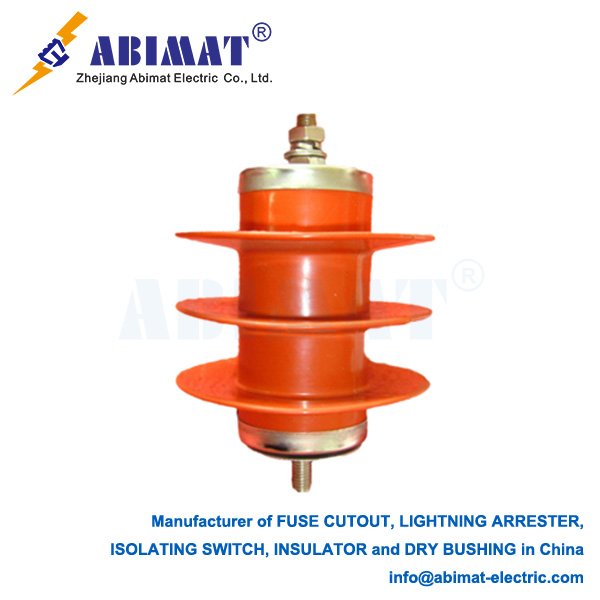
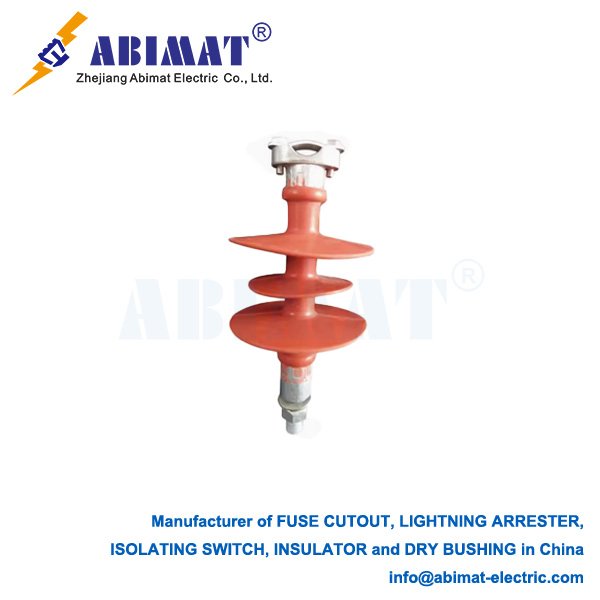
      For transmission lines, arresters with polymer housings are the usual choice. They’re light and work well even in polluted areas—perfect for mounting directly on transmission towers. A common way to use them is called the “insulation coordination” method. Arresters are placed strategically at the ends of lines to protect substation equipment. They’re also often put along the lines themselves—especially on towers with high footing resistance, or in areas where lightning hits a lot (these areas have high isokeraunic activity). This local protection stops backflashovers and lowers the line’s overall outage rate.
      By quickly limiting overvoltages, lightning arresters stop abimat insulator flashovers. They also stop the power arcs that happen after flashovers—these arcs cause line trips. This makes the transmission system more reliable and available. Their advanced metal-oxide varistor (MOV) core can absorb a lot of energy and handle multiple surges. So adding lightning arresters is a key part of modern transmission line design. They directly reduce a major cause of faults and make sure electrical power is delivered stably.
  • The Fuse Cutout: A Primary Protective Device in Distribution Systems​

    The Fuse Cutout: A Primary Protective Device in Distribution Systems​

    The Fuse Cutout: A Primary Protective Device in Distribution Systems​

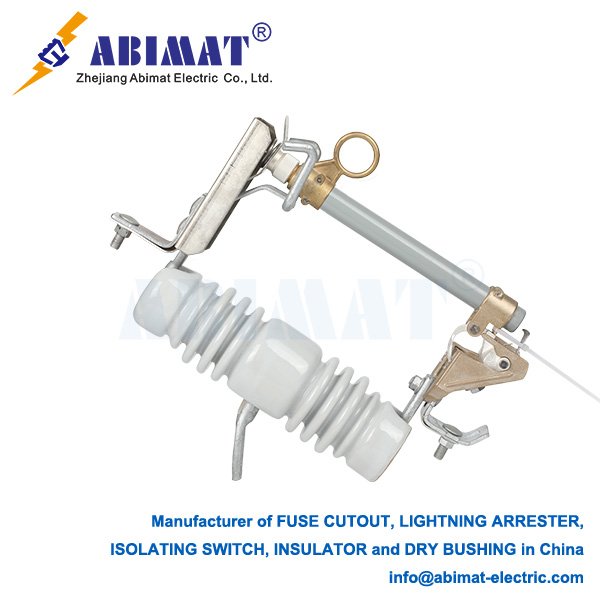
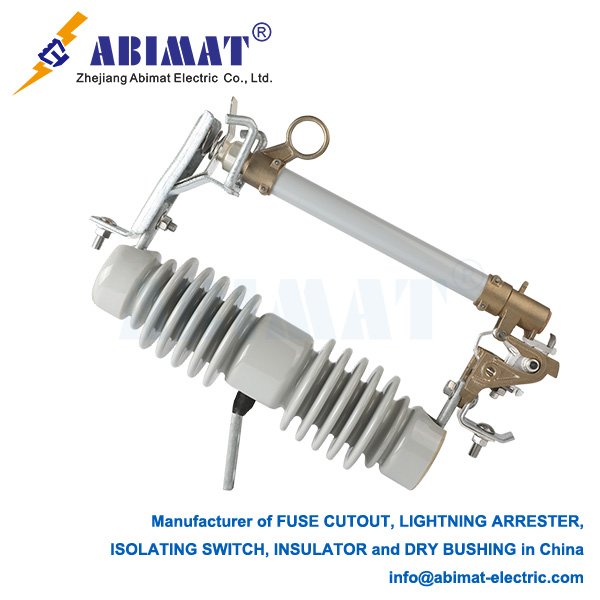
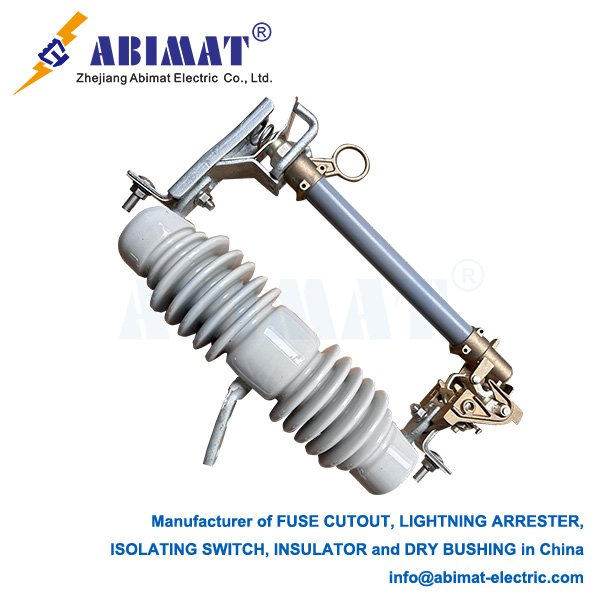
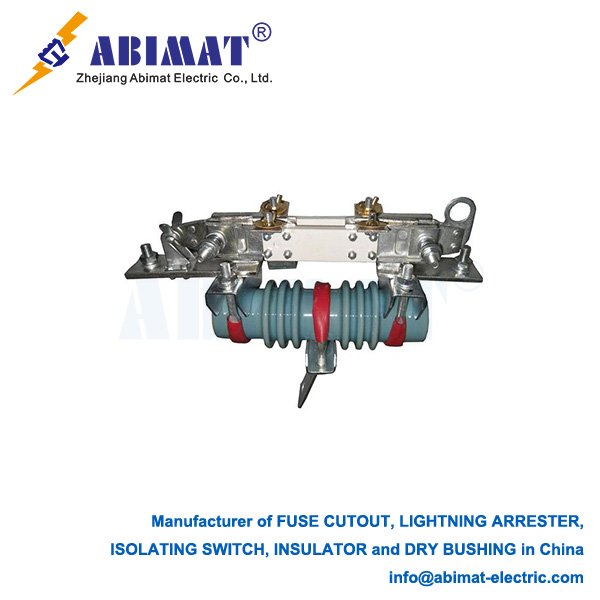
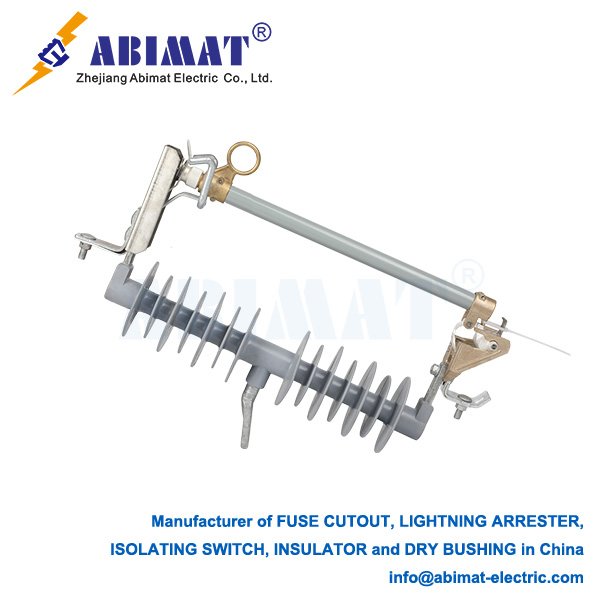
    Fuse cutouts are common, important parts in electrical power distribution networks. They usually work on poles at the 15 kV level. They have two main, linked jobs: they protect against too much current, and they let you see that a circuit is isolated. Their design is simple, doesn’t cost much, and works on its own—great for protecting distribution feeders and transformers.​

    Core Function and Operation​

    The main job of a fuse cutout is to protect a part of the distribution circuit. Think of things like a lateral feeder or a distribution transformer—this device keeps them from getting damaged by too much current. That extra current usually comes from problems, like short-circuits or overloads that last a long time.​
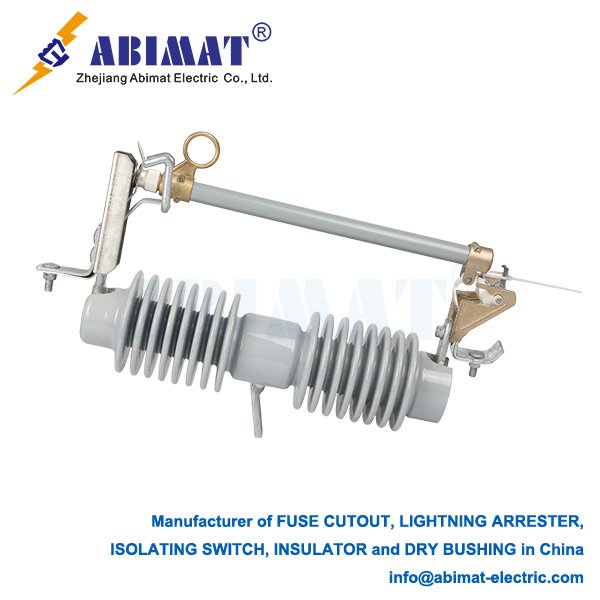
    The device has a strong, open-style fuse holder. Inside it is a replaceable fuse link, and the whole thing is mounted on an insulating frame. When the circuit runs normally, the fuse link stays intact. So current flows through the cutout without issues. If too much current stays in the circuit—more than the fuse link can handle—the fusible part melts. This stops the current right away. The electric arc that forms then gets put out inside the fuse tube. Sometimes a de-ionizing filler material helps with this. After that, a release wire melts too. This lets the fuse holder pivot down and swing open, pulled by gravity.

    The Importance of the “Drop-Out” Feature​

    This “drop-out” or “trip-out” movement is a key safety feature. It gives a clear, easy-to-see sign—even from far away—that the fuse has worked. It also shows which part of the circuit has the fault. This helps utility crews find the fault fast and isolate it. So they can get the rest of the circuit working again quicker. What’s more, the open, dropped fuse holder makes a clear, visible air gap. This keeps lineworkers safer because it makes sure the isolated circuit can’t accidentally get power again.​

    Dual Role: Fuse and Switch​

    Besides protecting the circuit, a fuse cutout also works as a handy switch. It can stop load current and isolate parts of the circuit. Linemen use a hot-stick to open the fuse holder by hand. They do this to cut power to a circuit for maintenance—even when there’s no fault at all. The fuse cutout is mainly made to stop faults, but it’s also rated to safely stop normal load current when workers switch it manually.​

    Applications and Benefits​

    Abimat fuse cutouts are mostly used for two main tasks. One is protecting overhead lateral feeders: they isolate the parts with faults, so fewer customers lose power. The other is protecting transformers: they keep single distribution transformers or small groups of them safe from internal faults.​
    The key benefits of fuse cutouts are simple. They’re easy to use, they work reliably, and they show clearly when there’s a fault. By stopping the faulty parts fast, they keep the system safe. They also protect expensive equipment like transformers, and make the whole distribution network more reliable.​
  • The Single Break Disconnector: A Basic Safety Part in Electricity​

    The Single Break Disconnector: A Basic Safety Part in Electricity​

    The Critical Role of the Disconnector in Electrical Substations​

      Inside an electrical substation, the disconnector—people usually call it an isolator—is a basic device. It helps keep things safe and lets you adjust how the substation works. Its job is different from a circuit breaker’s, and there’s an important rule for how you use it.​
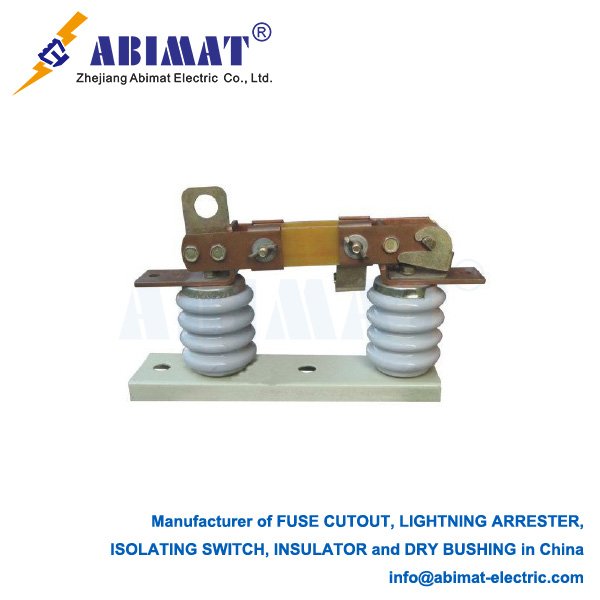
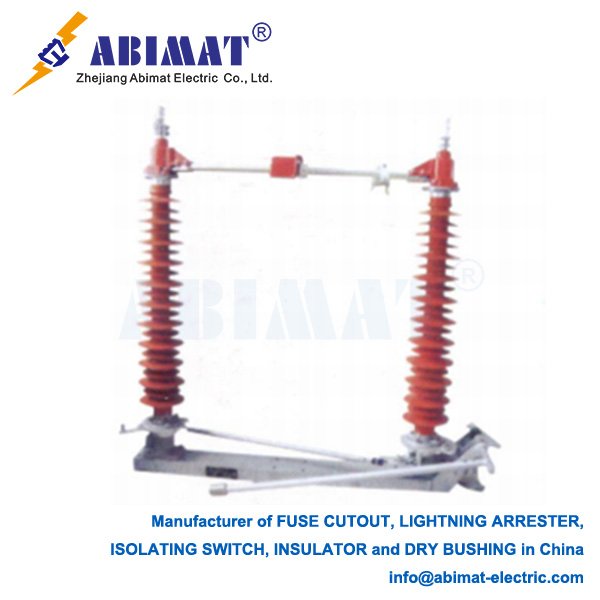
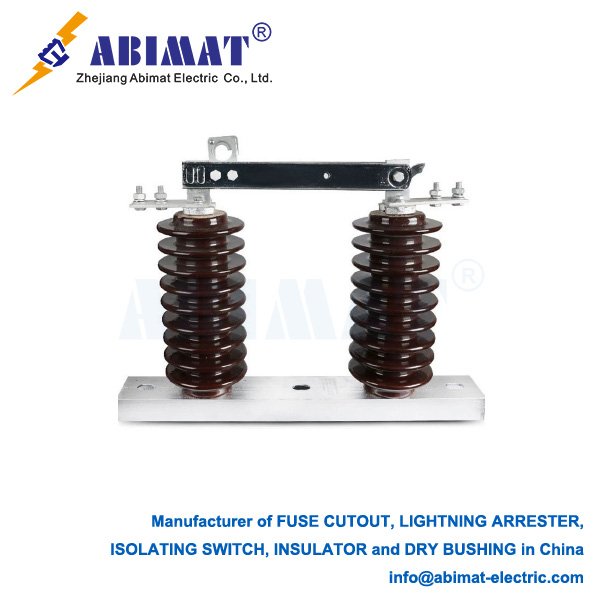
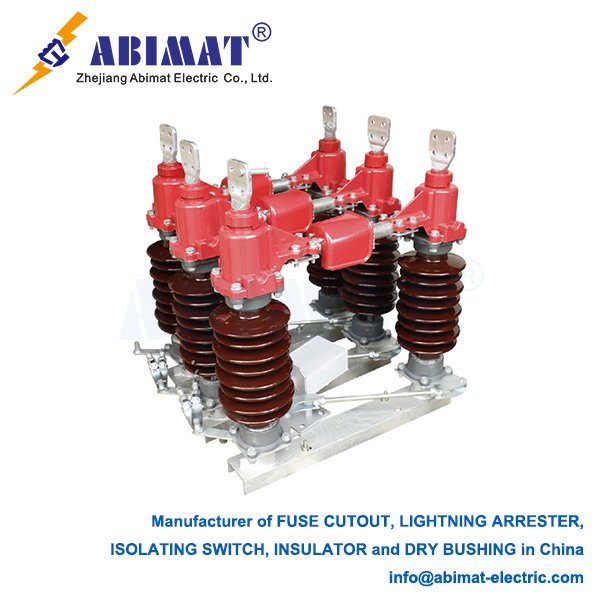
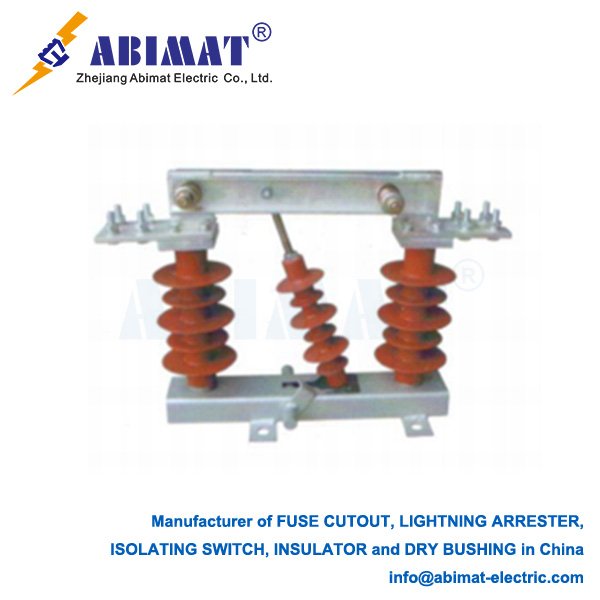
      The main job of a disconnector is to make a reliable, visible air gap in a circuit with no power. This physical separation keeps workers safe when they fix equipment—like circuit breakers, transformers, or power lines. It gives full electrical isolation. When the disconnector makes a visible break, it makes sure one part of the network is safely disconnected from all live parts.​
      Now, there’s a basic rule: a disconnector isn’t made to stop load current or fault current. It only works after an upstream circuit breaker has cut power to the circuit. The circuit breaker is the device that turns current on and off. If you try to open a disconnector when the circuit still has load, it will create a long, dangerous electric spark. This can damage equipment badly and cause safety risks.​
      Besides keeping things safe by isolation, disconnectors are also important for changing how the substation’s busbar is set up. This lets utility workers change where power flows, isolate parts that are broken, and do maintenance. They don’t have to cause a big power outage, and this makes the network more reliable and flexible.​
    There are common types of disconnectors. One is center-break disconnectors—they have two rotating arms that split apart in the middle. Another is vertical-break disconnectors; these have a moving contact that spins upward. Then there are pantograph disconnectors—they use a folding part. They’re good for places with little space, like Gas-Insulated Switchgear (GIS).
      To keep things safe, there are strict interlocking systems. They stop you from using the disconnector the wrong way. These interlocks—either by physical parts or electricity—stop you from opening a disconnector until its matching circuit breaker is open. They also stop you from closing it if an earth switch is on.
      To sum up, the abimat substation disconnector is an important device for safety and operation. Its design is strong and simple. It gives clear isolation—this is what you need to protect workers and keep the power grid working flexibly and reliably.
  • Pin Type Insulator for 11kV Distribution Lines​

    Pin Type Insulator for 11kV Distribution Lines​

    Pin Type Insulator for 11kV Distribution Lines​

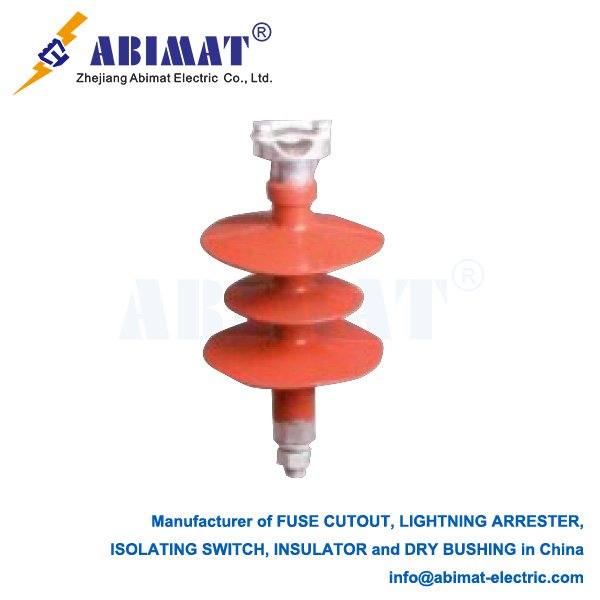
    The pin type insulator is a basic part—you’ll find it in medium-voltage power distribution networks. It’s mainly used to hold up live conductors and keep those conductors insulated from grounded structures. For 11kV systems, it’s a standard, cheap, and reliable solution.

    Design and Construction​

    People usually make this insulator from good-quality porcelain or polymer (like silicone rubber). It’s a one-piece insulating body with a strong design. There’s a hole at the bottom of the insulator. This hole is for a supporting steel pin, and the pin gets bolted to the pole’s cross-arm. The top part has a groove (some call it a tie channel). You fasten the conductor tight in this groove with annealed copper or aluminum wire. The outside of the insulator has rain sheds—people also call these “petticoats.” These sheds do an important job: they make the leakage path longer. This stops a continuous conductive film (from moisture, dust, or other dirt) from forming, and that lowers the chance of flashover.​

    Key Features and Advantages​

    For 11kV uses, the pin insulator has a specific creepage distance and puncture strength. This lets it handle the system’s normal working voltage and sudden overvoltages. Its main good points include mechanical strength—enough to hold the conductor up against mechanical forces like wind or ice. It also has a good ability to block electricity and lasts a long time. Porcelain insulators are known for their high compressive strength. Polymer ones, though, are more water-repellent and lighter.​

    Application and Limitations​

    This insulator is mostly used on straight parts of 11kV overhead distribution lines. It’s also used on poles that support distribution transformers. A big limitation is this: it doesn’t work in places where the line has sharp curves or angles. It can’t handle big mechanical stress coming from different directions. For those spots, people use strain insulators instead.
    In summary, the  abimat 11kV pin type insulator is still an important part of distribution systems. It balances performance, durability, and cost well for what it’s meant to do. Its design is simple but works well—this keeps live medium-voltage conductors safely insulated from the ground.
  • The Role and Importance of Lightning Arresters in Electrical Substations​

    The Role and Importance of Lightning Arresters in Electrical Substations​

    The Role and Importance of Lightning Arresters in Electrical Substations​

    Lightning arresters are very important protective devices in electrical substations. They protect expensive power equipment from damage caused by overvoltages from lightning and other surges from switching. Their main job is to limit sudden voltage spikes—they do this by guiding surge currents safely into the ground. This keeps the system stable and helps the equipment last longer.​

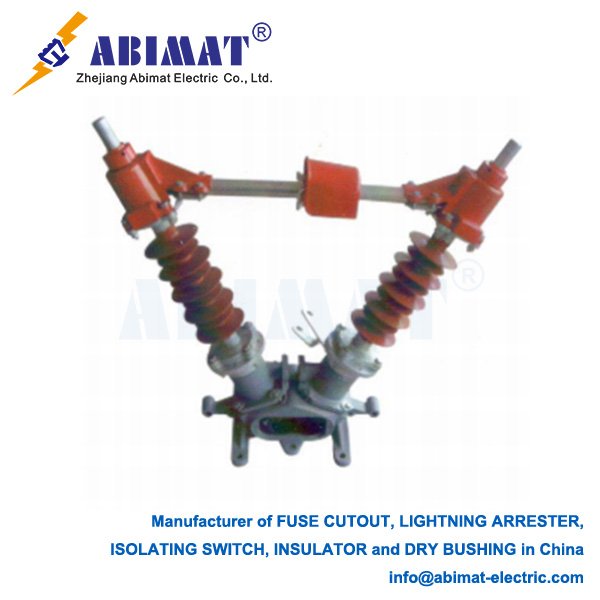
    MVD switches aren’t like circuit breakers. They aren’t made to stop faulty currents or heavy load currents. You use them only when another protective device—like a circuit breaker upstream—has already turned off the circuit’s power. One key thing about how MVD switches are built: there’s a clear air gap between their contacts when they’re open. This gap gives a physical, sure way to know the circuit is isolated. Lockout/tagout steps depend on this important safety feature.

    Working Principle and Key Parameters​

    When the electrical system works normally, a lightning arrester has a path with high resistance. It basically works like an open circuit. But when a lightning strike or switching creates a sudden overvoltage that’s higher than the system’s safe level, the arrester’s resistance drops a lot. This gives a low-resistance path to the ground, holding the voltage to a safe value—below the equipment’s BIL (Basic Insulation Level, the safe voltage the equipment can handle). It also makes sure there’s enough PM (Protection Margin, extra safety space). After the surge is gone, the arrester goes back to its high-resistance state on its own. This stops any follow-up current.
    Most modern substations use MOV (Metal-Oxide Variator) arresters—these don’t have gaps. They work better: they respond quickly and can absorb a lot of energy without breaking. Key things about how they work include their rated voltage, how much discharge current they can handle, and the residual voltage when there’s an impulse.

    Substation-Specific Applications and Benefits​

    In a substation, people install arresters in smart places—at incoming and outgoing lines. This protects transformers, circuit breakers, and other important equipment. For example, an arrester near a generator transformer can hold back the moving lightning surge well. It lowers the overvoltage to a level that’s safely below the transformer’s BIL. This stops the transformer’s insulation from failing.​
    Arresters are extra important in areas with high lightning density (many lightning strikes). If you pick the right arresters and put them in the right spots, they lower the risk of power cuts and equipment damage a lot. This makes the power supply more reliable overall.

    Installation and Operational Considerations​

    Installing them the right way is very important for the arresters to work well. This includes making sure there’s good grounding and picking the right arrester type—like Type 1/2 for setups where PE and N conductors are used together. You also need to think about possible design problems. For example, if the arrester isn’t sealed right, water can get in. This leads to rust inside, makes the pressure relief diaphragm (bursting diaphragm) break, and finally makes the device stop working.
    Studies say the way you install the arrester directly affects how well it protects against lightning. You need to be careful about where you put it on each phase—especially on taller towers or phases that are more likely to have shielding failures. This helps get the best results.
    In summary, abimat lightning arresters are components you can’t do without in substation design. They reliably reduce sudden overvoltages, which keeps the system running nonstop. They also protect the money spent on equipment and make the whole electrical system safer.
  • Substation Disconnects: The Critical Role of the Isolating Switch

    Substation Disconnects: The Critical Role of the Isolating Switch

    Substation Disconnects: The Critical Role of the Isolating Switch

    For electrical power distribution and transmission, safety and reliable operation are really important. The single break disconnector—you might also hear it called a disconnect switch or isolator—is a basic piece of equipment. It’s designed for one key safety job: making a clear, safe air gap in an electrical circuit.

    Main Function and Design Idea

    The single break disconnector’s main job isn’t to stop load current. It’s to make sure a circuit has no power—so people can do maintenance, checks, or isolation safely. Its name comes from how it works: it makes a single, clear break in the current’s path. When the switch is open, its contacts move apart physically. This makes a visible air gap—and that gap shows you the circuit is isolated. This design is tough. It usually has a rotating blade, and this blade slides into or out of a fixed contact jaw.

    Key Operating Traits

    We need to clearly tell apart a disconnector and a circuit breaker. Disconnectors don’t have parts to stop electric arcs. So they aren’t designed to stop current when the circuit is carrying a load. You can only use them when the circuit has no power. An upstream device—like a circuit breaker—is what makes that happen. If you try to open a circuit with a load using a disconnector, it could create a dangerous, harmful arc.​
    Single break disconnectors have these main features:​
    • Visible isolation: The open gap clearly shows you how the circuit is doing.​
    • Can handle steady current well: When they’re closed, they’re built to take the full load current of the circuit—and they won’t overheat.​
    • Tough mechanical life: They’re built to work many times mechanically, and they don’t need a lot of maintenance.​
    • Can handle short-circuit currents: They have to handle short-circuit currents for a fixed time—usually one to three seconds. That’s until a protective breaker fixes the problem.

    Where They Are Used​

    Single break disconnectors are used for many different voltage levels. They’re used everywhere from medium-voltage switchgear in factories to ultra-high-voltage transmission lines. They’re put in important places to isolate transformers, circuit breakers, and busbar sections. This lets people work safely on the downstream equipment—and you don’t need to shut down the whole system.

    In short, the abimat single break disconnector is a safety device you must have for electrical systems. Its design is simple but useful—it gives the reliable isolation needed to protect workers and equipment. It’s a basic part of keeping electrical systems working safely.

  • The Load Disconnector: A Critical Component for Electrical Safety and Isolation​

    The Load Disconnector: A Critical Component for Electrical Safety and Isolation​

    The Load Disconnector: A Critical Component for Electrical Safety and Isolation​

    For electrical power distribution and control systems, safety and reliable operation matter a lot. The load disconnector—people often call it a load-break switch—is a simple but key part. It’s built to meet these needs: it gives a safe way to isolate circuits and turn off their power.​

    Primary Function and Distinction​

    The load disconnector’s main job is to close and open an electrical circuit—this works when the load current is normal. You need to tell this device apart from two other things: a simple isolator (called a regular disconnector) and a circuit breaker.​
    A basic isolator is built to make a safe physical gap between parts. This only works when the circuit has no power, and it can’t stop current at all. A circuit breaker, though, is built to stop more than just load current. It can also stop powerful fault or short-circuit currents.​
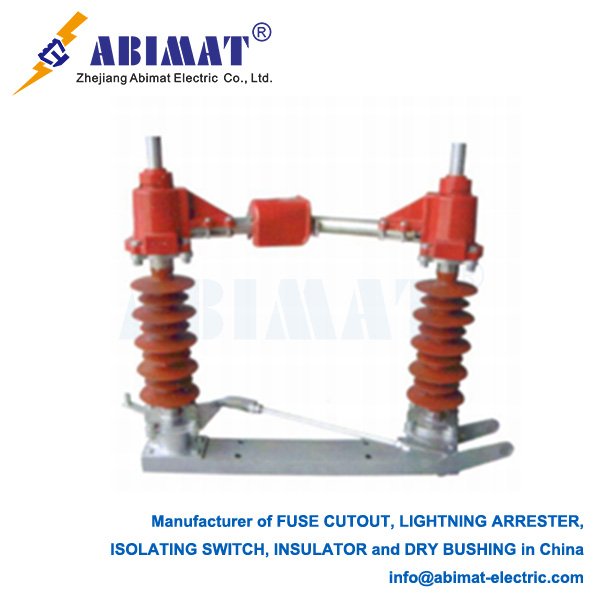
    The load disconnector is somewhere in between. It can safely stop the rated load current, but you can’t use it to stop short-circuit currents. For that, you usually need a separate overcurrent protection device (like a fuse or circuit breaker) installed in the line.

    Key Operational Characteristics​

    One key safety feature is easy to spot: when the switch is open, you can clearly see the isolation gap. This tells workers the downstream circuit is physically cut off from the power source, so they can do maintenance safely.​
    Load disconnectors have a rating for specific closing and opening currents. Making capacity is the ability to close the switch onto a live circuit; it might need to handle the initial current rush. Breaking capacity is the maximum load current it can safely stop when opening.​
    To stop unsafe use, load disconnectors often have interlocks. One common interlock keeps the box door from opening when the switch is in the “ON” position—and this protects workers from accidentally touching live parts.

    Applications​

    Load disconnectors are used in many places:
    • Motor Control Centers (MCCs): They act as the main disconnect for each motor’s feeder.
    • Power Distribution Panels: They work as the main incoming isolator or a feeder isolator.
    • Capacitor Banks: People use load disconnectors to isolate these banks from the power supply. This lets the banks discharge, and it makes maintenance safe.
    • Industrial Machinery: They provide a safe, local isolation point for machines and production lines.
    All in all, you can’t work without an abimat load disconnector. It makes sure you can control operations, and most importantly, it keeps workers safe. It does this by providing reliable load switching and secure isolation for low and medium-voltage electrical systems.
  • Polymeric Drop-Out Fuse Cut-Outs: A Modern Advancement in Overhead Protection​

    Polymeric Drop-Out Fuse Cut-Outs: A Modern Advancement in Overhead Protection​

    Ceramic Fuse Cutouts: Key Protection for Overhead Distribution

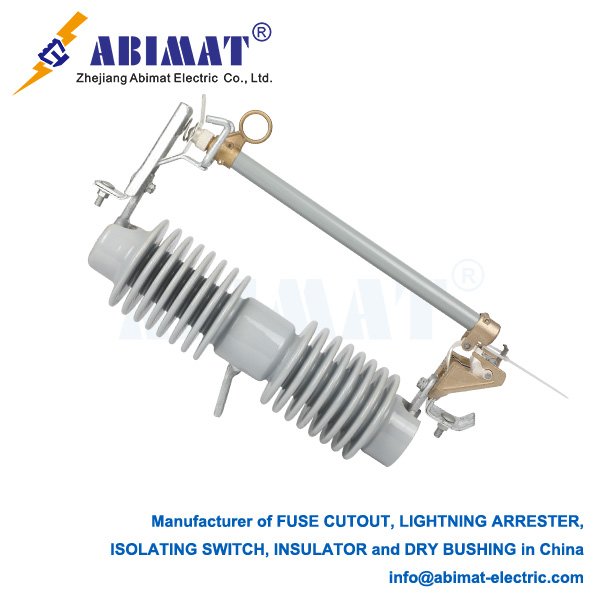
    The polymeric drop-out fuse cut-out is a big change in the design of the classic overhead distribution protection device. It does the same main job as the old porcelain type—protecting transformers and feeders from overcurrents and giving a visible way to isolate them—but it uses modern materials and engineering. This gives it clear advantages in how it works.​
    The main way it operates stays the same: when there’s a fault, the fuse link melts. This stops the current, makes the fuse carrier let go, and swing down—and that creates a clear, easy-to-see break. The key difference is the material used for the housing. Instead of a brittle porcelain insulator, polymeric cut-outs are made from strong, lightweight engineering materials. Most often, these are fiberglass-reinforced polyester or similar compounds.

    Key Advantages of Polymer Construction​

    One big advantage is better safety and how it fails. This is the most important benefit. Porcelain can break into pieces if someone shoots it, damages it on purpose, or hits it hard. That might make live parts fall down. But polymer housings aren’t brittle. If they get badly damaged, they usually stay together instead of shattering. That makes failures safer.​
    Another good thing is that polymer housings are much lighter than porcelain. This makes it easier to move, store, and install them. It also means less tired workers and lower risk of getting hurt. Plus, it puts less stress on the pole or structure that holds the fuse up.​
    Polymer housings also work better in dirty areas. Porcelain pulls water to its surface. Water can mix with dust and salt to make a layer that conducts electricity—and that can cause tracking, flashover, and power cuts. But many polymer materials push water away. This helps them work better near the coast or in industrial areas where there’s a lot of pollution. It makes them more reliable.​
    Polymer material is tough, too. It can handle more damage from accidental hits, animals, or vandalism like gunshots. This makes the fuses last longer and cuts down on maintenance costs.​
    Polymers also let us design the fuses more easily, and we can make them different colors. Different colors help workers tell which phase each fuse is for. They also look more modern and streamlined.

    Considerations and Applications​

    People test polymeric drop-out fuses hard. They check if the fuses can handle UV rays, bad weather, and tracking—to make sure they work well for a long time. These fuses can replace porcelain ones directly. They’re perfect for harsh environments, areas where vandalism is common, and any place where better safety and easier handling matter most.
    To sum up, the abimat polymeric drop-out fuse cut-out uses better materials to work like the old fuse cut-out. But it fixes the old one’s problems with safety, weight, and handling pollution. That makes it a strong, reliable choice for modern distribution networks.
  • Pin Post Insulator: A Critical Component in Electrical Systems​

    Pin Post Insulator: A Critical Component in Electrical Systems​

    Pin Post Insulator: A Critical Component in Electrical Systems​

    The pin post insulator is a basic part of medium to high-voltage electrical power distribution and transmission systems. It mainly does two things: it holds up live electrical conductors mechanically, and it keeps them electrically separate from the structure that supports them. That structure is usually a utility pole or a steel tower. This two-in-one job is key to keeping the electrical grid safe, reliable, and working well.​
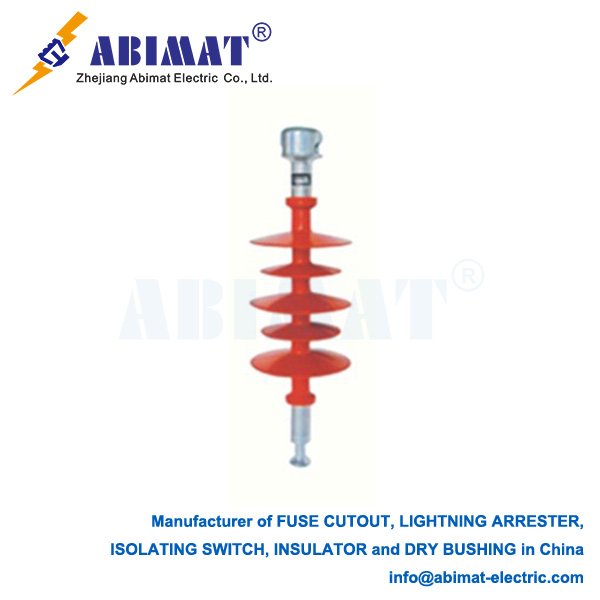
    Looking at its structure, a pin post insulator has a central insulating core. This core is usually made from a strong material—like porcelain, glass, or more often now, a composite polymer such as silicone rubber. The core gives the insulator its main ability to block electricity. On top of the core, there’s a metal part—people call it the “pin”—and this part is bolted to the cross-arm of the support structure. At the top of the insulator, there’s another metal cap or part. This one is used to hold the conductor securely.​
    People split pin post insulators into two main types based on their material.​
    The first type is ceramic—made of porcelain or glass. Traditional pin insulators use these materials. They’re strong and have been used for a long time. Their surfaces have sheds—also called skirts—to make the creepage distance longer. That’s the path along the surface where leakage electricity has to flow. This design helps stop flashovers, especially when the area is dirty or wet.
    The second type is composite—made of polymer. Modern pin post insulators use composite designs more and more. They have a fiberglass epoxy resin rod (this rod gives them the strength to resist pulling) with sheds around it. These sheds are made from ethylene propylene diene monomer (EPDM) or silicone rubber. The polymer sheds are hydrophobic—that means they push water away. This stops a continuous water film from forming on the insulator. It also makes the insulator work better in dirty places and lowers the chance of flashovers. Composite insulators are also lighter than ceramic ones, and harder to damage on purpose.
    The main good things about pin post insulators are their simple, strong design, how easy they are to install, and how well they work for their specific voltage range. That range is usually up to 69kV, and sometimes even higher. They’re a small, cheap solution for distribution lines, substations, and railway electrification systems.
    When you compare pin post insulators to long-rod or cap-and-pin string insulators, the pin post design is different. It puts the insulation and the mounting parts into one stiff unit. This makes pin post insulators very stable. They’re good for uses where being stiff mechanically is very important.
    To sum up, the abimat pin post insulator is an important, reliable part of electrical systems. As it’s changed from ceramic to advanced polymer designs, its performance has gotten even better. This makes sure electricity keeps being supplied safely and without stops.
  • The Critical Role of Lightning Arresters in Protecting Distribution Transformers​

    The Critical Role of Lightning Arresters in Protecting Distribution Transformers​

    The Critical Role of Lightning Arresters in Protecting Distribution Transformers​

    Distribution transformers are key parts of the power grid. They lower high primary voltages to levels that work for end users. Their reliable operation is super important, and one of the biggest threats to them is transient overvoltages—mostly from lightning strikes. A lightning arrester is the special device made to protect this important equipment.

    How It Works

    A lightning arrester—also called a surge arrester more accurately—is a protective device. It connects between the phase and the earth, usually at the transformer’s terminals. Its main job is to limit transient overvoltages, like those caused by direct or indirect lightning hits on nearby power lines. It does this by sending the surge current safely to the ground. This way, it stops the overvoltage from going over the transformer’s Basic Insulation Level (BIL), protecting the winding insulation from breaking down.

    During normal operation, the arrester has very high impedance. It acts almost like an open circuit. It doesn’t work and won’t let the regular power current pass. But when a lightning or switching surge happens, and the voltage rises to a set level (the breakdown voltage), the arrester’s internal parts start working right away. It “clamps” the voltage to a safe level by providing a low-impedance path to the ground for the surge current. Once the surge is gone and the system voltage gets back to normal, the arrester shuts off automatically. It goes back to its high-impedance state and stops the follow current.

    Key Technology: Metal-Oxide Varistor (MOV)

    Modern arresters for distribution systems almost all use Zinc Oxide (ZnO) as the core material for their non-linear resistor blocks. These blocks are also called Metal-Oxide Varistors (MOVs). They have a very special voltage-current feature. That means within a narrow voltage range, they can change from a highly insulating state to a highly conductive one. This good performance lets them have lower protective levels. It makes insulation coordination more effective, and allows people to design smaller, cheaper transformers without reducing reliability.

    Things to Consider for Selection and Installation

    Choosing and installing the arrester correctly is key to good protection. Here are the main parameters:

    • Rated voltage: It needs to match the system’s maximum continuous operating voltage (MCOV).
    • Duty cycle: It must handle temporary overvoltages, such as those from fault conditions.
    • Nominal discharge current: It shows how much surge current the arrester can handle while keeping the protective level stable.

    Installation is also crucial. The arrester must be placed as close as possible to the transformer tank. The grounding connection should be the shortest and straightest possible. Long or coiled ground wires add unwanted inductance. This inductance creates a voltage drop when there’s a surge, putting higher voltage stress on the transformer terminals. That would make the arrester useless.

    In conclusion, abimat lightning arresters are essential for protecting distribution transformers. They reliably divert harmful surge energy away from the transformer’s sensitive insulation. This ensures the power supply stays continuous and reliable, preventing expensive damage and long outages.