Author: Zhou

  • 12kV Surge Arresters: Essential Protection for Medium-Voltage Systems

    12kV Surge Arresters: Essential Protection for Medium-Voltage Systems

    Understanding 11kV Surge Arresters: Protecting Electrical Systems

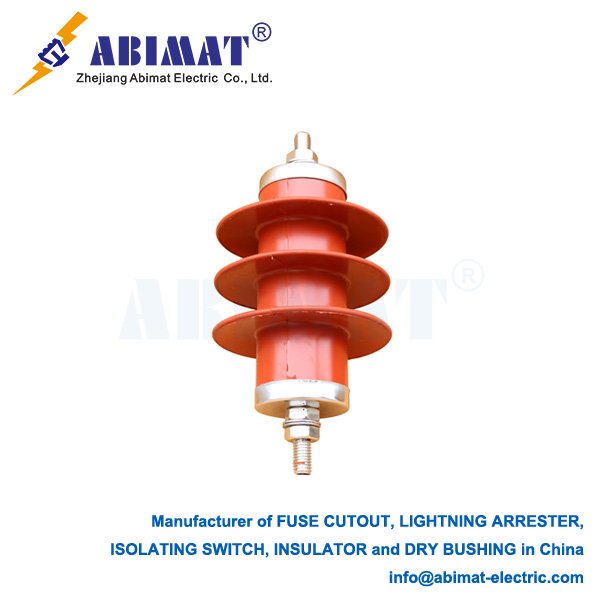
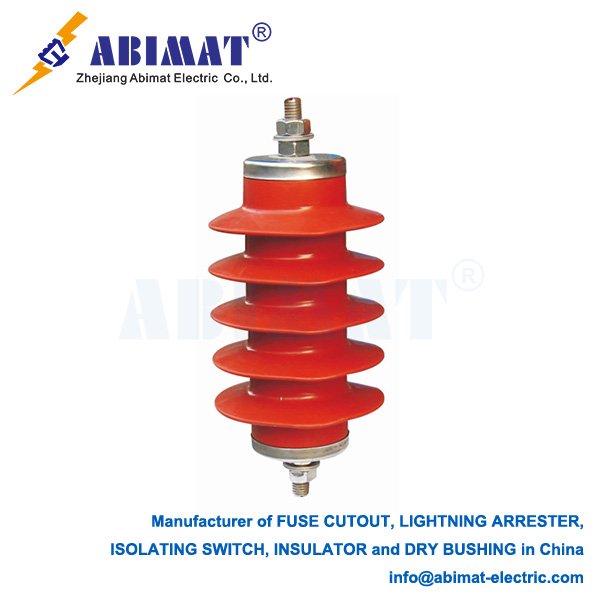
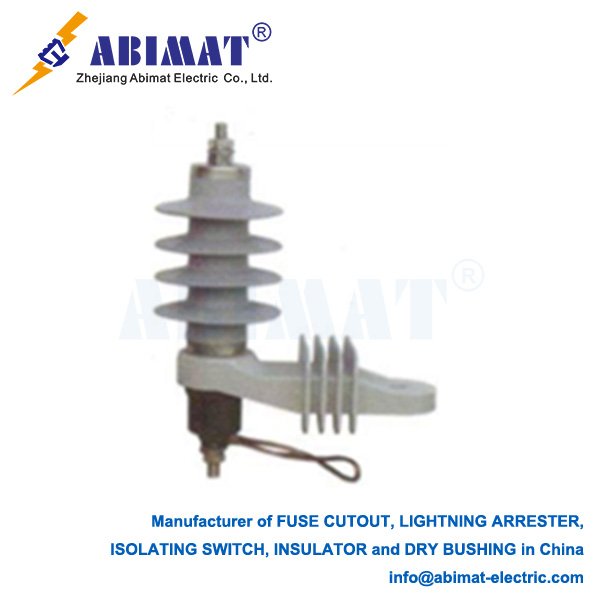
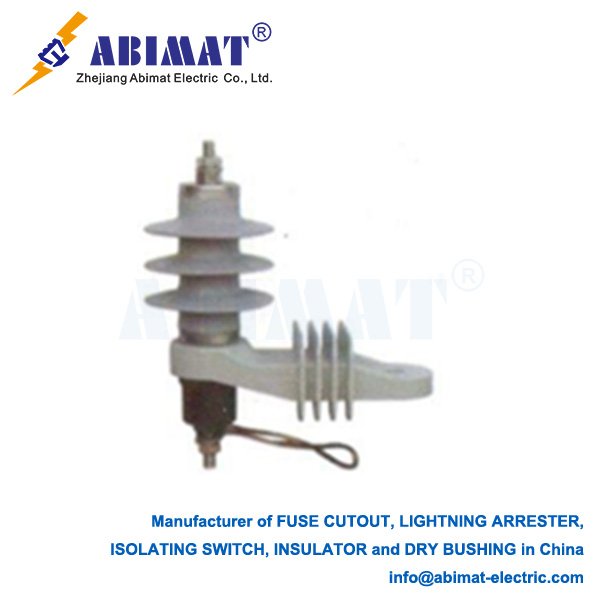
    In medium-voltage (MV) power distribution systems (typically 1kV to 52kV), safeguarding critical assets against destructive voltage transients is non-negotiable. The 12kV surge arrester serves as the frontline defense, specifically engineered to protect equipment rated for 12kV nominal system voltage from lightning strikes, switching surges, and other electrical disturbances. Companies like ABIMAT, a recognized manufacturer of electrical protection components, develop advanced arresters vital for system resilience.
    Core Function: The Voltage-Clamping Sentinel

    The 12kV surge arrester operates as a voltage-dependent switch. Under normal operating conditions (< MCOV), it presents extremely high impedance, behaving as an open circuit. When a transient overvoltage (often hundreds of kV in microseconds) occurs, the arrester instantly switches to low impedance, creating a preferred path to earth for surge current. Crucially, while conducting, it clamps the voltage across protected equipment (Terminal Voltage) to a safe level below its insulation withstand capability (BIL). Post-surge, it autonomously resets to high-impedance mode.

    Technology: Metal Oxide Varistor (MOV) Dominance

    Modern 12kV arresters, including those engineered by ABIMAT, predominantly utilize Zinc Oxide (ZnO) varistor technology. The core is a sintered block of ZnO grains with metal oxide additives (Bi₂O₃, Sb₂O₃, etc.), forming millions of microscopic p-n junctions.

       Normal Voltage: p-n junctions act as barriers, permitting only microamp leakage current.

       Surge Voltage: Intense electric fields cause quantum mechanical junction breakdown, enabling massive current flow for safe energy diversion to ground while clamping voltage.

       Self-Restoring: Junctions re-form barriers automatically post-surge.

    ZnO technology, used by leading manufacturers like ABIMAT, supersedes older SiC types due to superior:

       Lower protective levels (Up)

       Faster response (nanoseconds)

       Higher energy absorption

       Negligible power-frequency follow current

       Enhanced stability

    Critical Performance Parameters

      I. Maximum Continuous Operating Voltage (MCOV): The maximum permissible RMS power-frequency voltage (phase-to-ground) for continuous service. For a 12kV solidly grounded system (V_phase-ground ≈ 7.2kV), an MCOV of 8.4kV or 9kV provides necessary margin.

      II. Rated Voltage (Ur): The maximum temporary power-frequency overvoltage (e.g., during faults) the arrester can withstand for 10 seconds (per IEC 60099-4 / IEEE C62.11). Ur must exceed the site’s maximum Temporary Overvoltage (TOV).

      III. Nominal Discharge Current (In): The peak 8/20 µs current (e.g., 5kA, 10kA, 20kA) defining the arrester’s standard duty classification. Higher In indicates greater robustness for high-exposure areas.

      IV. Lightning Impulse Protective Level (LPL / Up): The maximum residual voltage during an 8/20 µs impulse (e.g., Up at 10kA). This clamped voltage MUST be below the BIL of protected equipment (transformers, switchgear).

      V. Switching Impulse Protective Level (SPL): Residual voltage under longer switching surge currents (e.g., 30/60 µs, 45/90 µs).  

      VI. Pressure Relief Rating: Maximum prospective fault current the arrester can safely interrupt upon failure without violent housing rupture. Essential for safety. Disconnectors may indicate failure.

      VII. Energy Absorption Capability: Ability to withstand heat from surge currents without thermal failure.

    Applications & Selection

    12kV surge arresters are critical in:

       Distribution transformer primary protection

       MV switchgear, circuit breakers, busbar protection

       Cable termination/joint protection

       Capacitor bank & motor protection

       Industrial plants, data centers, renewable energy facilities


    Selection requires precise matching of arrester ratings (MCOV, Ur, In, Up) to the system voltage, grounding, location exposure, and the protected equipment’s BIL. Environmental factors (pollution, altitude) dictate housing material (silicone rubber or porcelain) and creepage distance. Coordination with upstream/downstream protection is vital. Manufacturers like ABIMAT provide detailed application guides to ensure optimal selection for reliability and safety.

    Maintenance & Monitoring

    While largely maintenance-free, periodic visual inspection for damage, contamination, or leakage is recommended. Some arresters feature surge counters or leakage current monitors (as offered by ABIMAT and others) to track activity and detect degradation. Prompt replacement of compromised units is critical.

    Conclusion

    The 12kV surge arrester, leveraging advanced ZnO varistor technology, is indispensable for MV system integrity. Its ability to instantaneously clamp overvoltages protects equipment, minimizes downtime, and ensures supply continuity. Rigorous selection based on system parameters and device ratings, supported by expertise from manufacturers like ABIMAT, combined with basic monitoring, represents a fundamental investment in electrical infrastructure resilience.
  • Understanding 11kV Surge Arresters: Protecting Electrical Systems

    Understanding 11kV Surge Arresters: Protecting Electrical Systems

    Understanding 11kV Surge Arresters: Protecting Electrical Systems

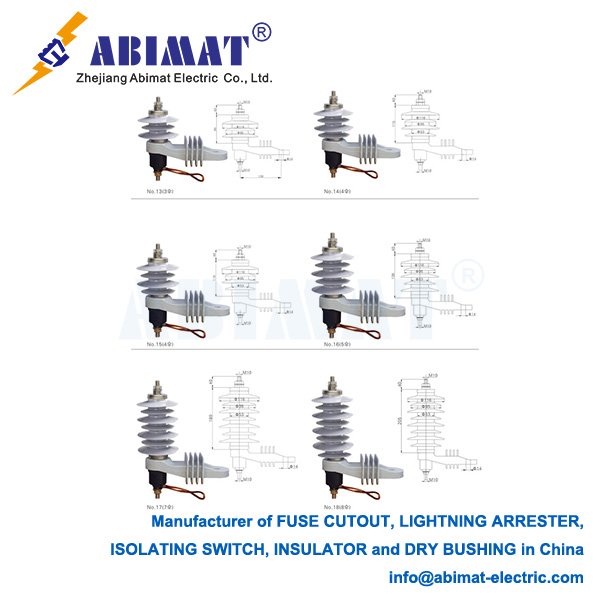
    In today’s power system landscape, high-voltage equipment must be safeguarded from transient overvoltages caused by atmospheric lightning, switching operations, and other electrical disturbances. One of the critical components that enable this protection is the 11kV surge arrester. This article explores the significance, functioning, installation, and maintenance of 11kV surge arresters in electrical systems.

    What is an 11kV Surge Arrester?

    An 11kV surge arrester is a protective device employed in electrical systems operating at a nominal voltage of 11 kilovolts (kV). Its primary function is to prevent overvoltages from damaging sensitive equipment and ensure the reliability of electrical installations. These devices are designed to divert surge currents, thus protecting transformers, switches, and other vital components from the destructive effects of high-voltage transients.


    Surge arresters can be classified into several types, including metal oxide varistors (MOVs), silicon carbide (SiC) devices, and gap-type arresters. Among these, MOVs are the most commonly used due to their superior performance and reliability in protecting against voltage spikes.

    Importance of Surge Arresters

    The significance of 11kV surge arresters cannot be overstated. Transient overvoltages can arise from various sources, including:

      Ⅰ  Lightning strikes: Direct strikes or nearby strikes can induce high-voltage surges.

      Ⅱ  Switching operations: Opening and closing of circuit breakers and other switching devices can generate transient voltages.

      Ⅲ  Fault conditions: Electrical faults in the system can lead to temporary overvoltages.

    These surges can result in equipment failure, shortened lifespan, and service interruptions. By employing surge arresters, electrical systems can mitigate these risks, ensuring operational continuity and minimizing financial losses associated with equipment damage.

    Working Principle of 11kV Surge Arresters

    The basic operation of an 11kV surge arrester involves its ability to remain in a non-conducting state during normal operating voltage. However, when a transient overvoltage occurs, the arrester rapidly changes state to become conductive, allowing the excess voltage to be directed to ground.

    The key parts of a typical surge arrester include:

        –   Non-linear resistor: This component rapidly changes its resistance in response to voltage fluctuations, offering low resistance during surges and high resistance during normal operations.

        –   Support structure: Generally made of ceramic or polymer, it physically supports the arrester and provides electrical insulation.

      –   Grounding system: Proper grounding is crucial for safely discharging the surge currents away from sensitive equipment.

    Installation Considerations

    When installing 11kV surge arresters, several factors must be considered:

    Ⅰ  Location: Surge arresters should be strategically placed near the equipment they protect, such as transformers and switchgear, to minimize the distances over which transient voltages must travel.

    Ⅱ  Environmental conditions: Surge arresters must be chosen based on environmental factors like temperature, humidity, and potential exposure to corrosive substances. Outdoor arresters should be weather-resistant to prevent degradation.

    Ⅲ  System configuration: The electrical layout and load characteristics influence the selection of the appropriate type and ratings of surge arresters.

    Proper installation should adhere to industry standards, ensuring that all connections are secure and that the device is adequately grounded.

    Maintenance and Testing

    Regular maintenance and testing of 11kV surge arresters are crucial for ensuring their reliable performance. Key maintenance practices include:


    Ⅰ  Visual inspections: Conduct routine visual checks for signs of physical damage, such as cracks or corrosion on the housing.

    Ⅱ  Electrical testing: Periodic testing of the voltage/current characteristics to confirm that the operational parameters of the surge arrester are within acceptable limits.

    Ⅲ  Grounding checks: Regularly verify that all grounding connections are intact, as ineffective grounding can lead to inadequate protection

    Conclusion:

    In conclusion, 11kV surge arresters play a pivotal role in safeguarding electrical systems from transient overvoltages. Their ability to protect critical equipment from potentially damaging voltage spikes is essential for ensuring the reliability and longevity of power systems. By understanding their importance, working principles, proper installation techniques, and maintenance practices, operators can enhance the resilience of their electrical infrastructure, leading to improved service reliability and reduced operational costs. As energy demands continue to grow, the importance of robust protective measures, including the incorporation of high-performance surge arresters from trusted partners like ABIMAT, becomes increasingly significant in the electrical industry.

  • The Critical Role of 500 kV Disconnect Switches in Electrical Power Systems​

    The Critical Role of 500 kV Disconnect Switches in Electrical Power Systems​

    The Critical Role of 500 kV Disconnect Switches in Electrical Power Systems​

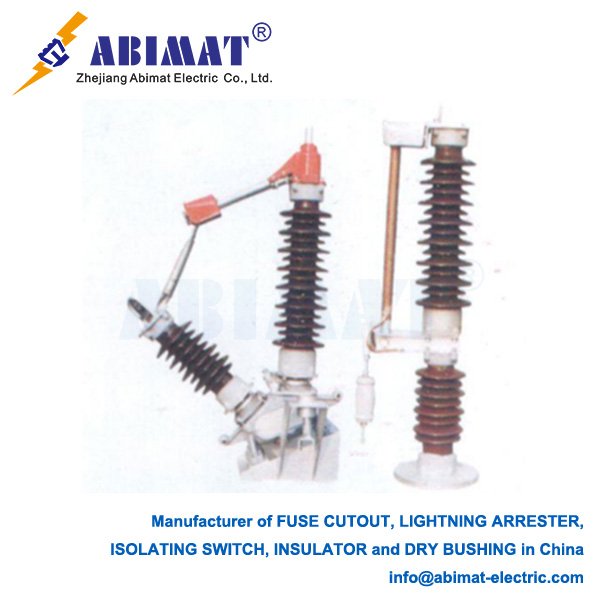
      High-voltage electrical transmission systems have a key part: the 500 kV disconnect switch. It keeps the system safe, reliable and flexible to operate. It runs on extra-high voltage (EHV). These switches help manage and control large amounts of power as it moves over long distances.

        A disconnect switch’s main job isn’t to stop load current or fault current. It’s to make a safe, easy-to-see air gap. This gap isolates a part of the circuit. This physical isolation matters a lot for maintenance workers’ safety. It lets them work on equipment that has no power—like transformers, circuit breakers or transmission lines. They can be sure the circuit is electrically cut off. You need to tell disconnect switches apart from circuit breakers. Circuit breakers are built to stop current—both in normal use and when there’s a fault. A disconnect switch, though, should only be used when no current is flowing through it. Usually, this happens after a circuit breaker has opened the circuit.​
      500 kV disconnect switches have special features because of the very high voltages involved.​
      They need strong insulation. So they have long insulating columns. These columns are often made of porcelain or composite polymer materials. They handle high electrical pressure. They also keep a safe space between energized parts and grounded parts.​
      Even though they aren’t made to stop current, opening or closing the contacts can make small arcs. Switches have arcing horns or rings for this. These parts control the arcs. They keep the main current-carrying contacts from getting damaged.
      Most 500 kV switches are big. You also need to control them precisely. That’s why most use motors to work. This lets people control them from far away—like a substation control room. You only use manual operation for emergencies or maintenance.​
      They must have good mechanical and electrical interlocking systems. These systems stop people from using a disconnect switch by mistake when it’s under load. This protects both workers and equipment.​
      There are two main types of these switches in substations.​
      The first is vertical-break switches. Their moving contact moves in a vertical arc. This type is common when there isn’t much space.​
      The second is center-break switches. They have two moving arms. These arms open horizontally from the center. This design often keeps the contacts more stable. It’s used a lot.​
      The abimat 500 kV disconnect switch looks simple. But it’s really important. It gives a reliable, easy-to-see way to isolate parts. This is the base for safe maintenance work. It also lets the high-voltage network be set up in flexible ways. You have to design, install and use it the right way. That’s necessary for the modern electrical grid to stay stable and safe.
  • Surge Arresters: Key Protectors for Power Systems

    Surge Arresters: Key Protectors for Power Systems

    Dropout Fuse Units: A Key Part in Overhead Power Systems

    A surge arrester—often called a pole arrester when used on power distribution lines—is a vital safety device for electrical systems. It works to shield expensive equipment, things like transformers, switchgear and insulators, from harmful voltage spikes. These sudden voltage surges usually come from lightning strikes or when workers switch equipment on and off in the power grid.
    Surge arresters follow a simple rule. They stay as a high-resistance path when the power system runs normally, almost like a closed door. But when a voltage surge hits—one that goes over a set limit, known as the breakdown voltage—the arrester quickly turns into a low-resistance path. This move sends the surge current safely into the ground. In turn, it “clamps” or limits the voltage on the protected equipment to a safe level. Once the surge is gone, the arrester automatically goes back to its high-resistance state, letting the power system work normally again.
    Most modern surge arresters use metal-oxide varistors, or MOVs, as their main part. These zinc-oxide blocks have very unbalanced voltage-current traits. They work better than the older gap-type or silicon-carbide technologies. MOV-based arresters offer steady, non-stop protection. They also absorb energy well and react more quickly.
      Important performance features for pole arresters include rated voltage—the voltage they can handle continuously—duty cycle, lightning strike protection level and energy discharge ability. Choosing the right arrester and installing it properly is crucial for good protection. You need to think about things like the system’s voltage, insulation matching and where it will be placed.
      All in all, abimat surge arresters are a must for making power distribution networks more reliable and longer-lasting. They reliably catch and get rid of dangerous voltage surges. This stops expensive equipment breakdowns and cuts down on power outages, making sure electricity supply stays steady.
  • 138 kV Disconnect Switches: Key Components for Transmission System Isolation

    138 kV Disconnect Switches: Key Components for Transmission System Isolation

    Technical Overview of the Off-Load Disconnector

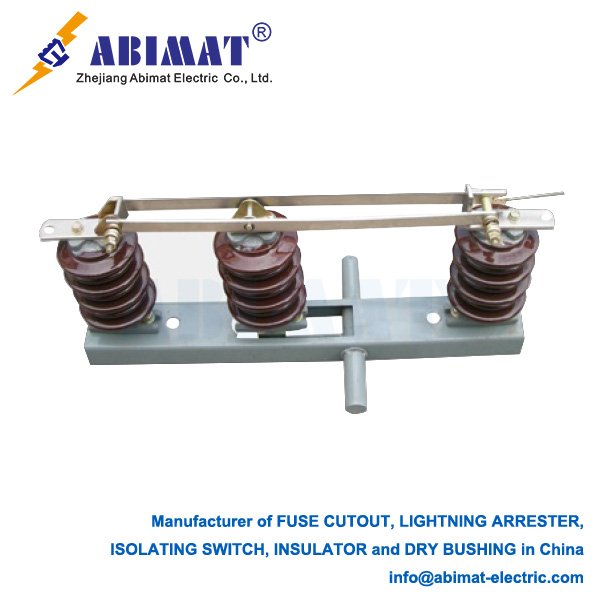
    A 138 kV disconnect switch—people also call it an isolator—is a basic mechanical switching tool. It works in high-voltage electrical substations and transmission lines. Its main job, and a very important one, is to create a clear, trustworthy air gap. This gap isolates a part of the circuit. It keeps workers safe when they do maintenance or checks by cutting power to the equipment.
    You need to know one key thing: a regular disconnect switch isn’t made to stop load current or fault current. That’s what a circuit breaker does. The switch should only be used when the circuit has no power—either because an upstream breaker turned it off, or because the current is so small it barely matters.
    These switches are built for the 138 kV voltage level. This level is widely used in many power grids. When designers make them, they focus on several important points. The switches must handle normal power frequency and impulse voltages. They also need to stand up to mechanical stress—from wind, ice, and even the electromagnetic forces that sometimes come with fault currents.
    The main parts that carry electricity are usually made of aluminum or copper alloys. For insulation, they use porcelain or composite polymer insulators.
    At this voltage level, three types of switches are most common.
    First is the horizontal (side-break) switch. Its moving blade spins in a horizontal direction.
    Then there’s the vertical-break switch. Its moving blade turns up and down, and it often takes up less space.
    The third is the center-break switch. It has two sets of rotating insulators, and the gap opens right in the middle.
    Most of the time, you operate these switches by hand with a hand-wheel. Some use a motorized part so you can control them from far away. One design feature is crucial: the “arcing horn” contacts. If a small, unexpected spark happens while you’re using the switch, these contacts pull the spark away from the main current-carrying parts. This stops damage.
    Sometimes you need a switch that can stop small amounts of current—like the magnetizing current in a transformer. For these cases, you can use a load-break disconnect switch. It has a simple part that stops the current.
    But for regular isolation jobs, the common air-break disconnect switch is still a must. It’s simple and strong. You can clearly see if it’s open or closed, and it’s reliable. These qualities are vital for keeping 138 kV transmission systems safe and flexible.