Category: news

  • 12kV Surge Arresters: Essential Protection for Medium-Voltage Systems

    12kV Surge Arresters: Essential Protection for Medium-Voltage Systems

    Understanding 11kV Surge Arresters: Protecting Electrical Systems

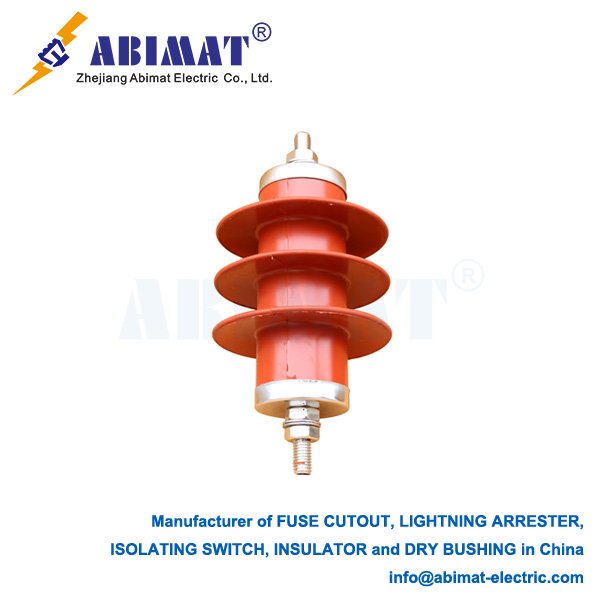
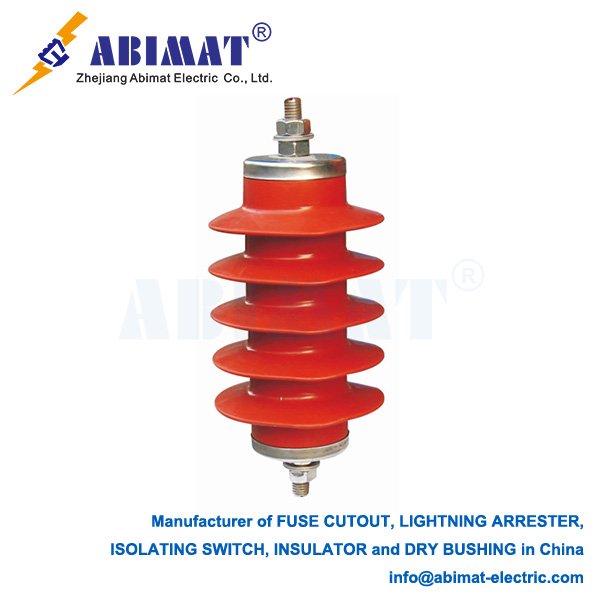
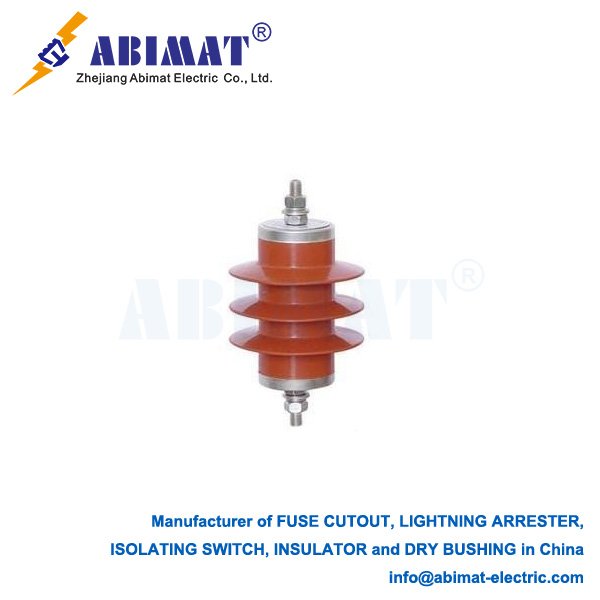
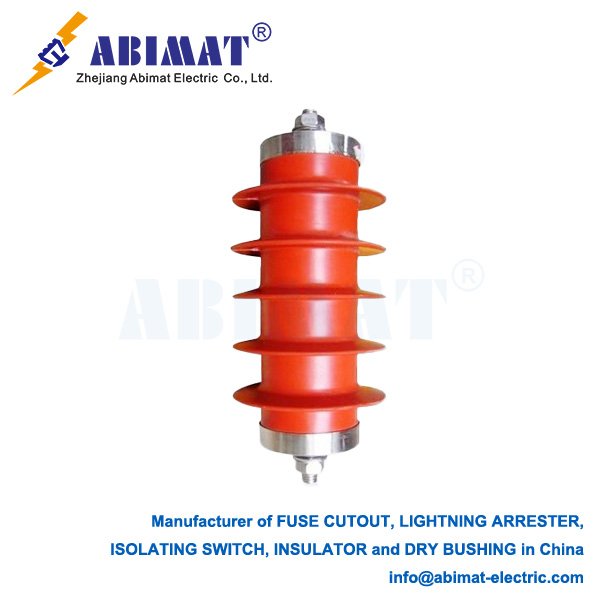
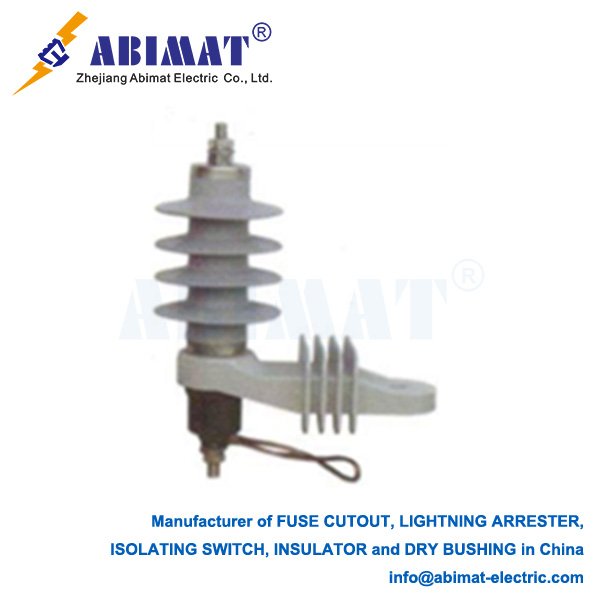
    In medium-voltage (MV) power distribution systems (typically 1kV to 52kV), safeguarding critical assets against destructive voltage transients is non-negotiable. The 12kV surge arrester serves as the frontline defense, specifically engineered to protect equipment rated for 12kV nominal system voltage from lightning strikes, switching surges, and other electrical disturbances. Companies like ABIMAT, a recognized manufacturer of electrical protection components, develop advanced arresters vital for system resilience.
    Core Function: The Voltage-Clamping Sentinel

    The 12kV surge arrester operates as a voltage-dependent switch. Under normal operating conditions (< MCOV), it presents extremely high impedance, behaving as an open circuit. When a transient overvoltage (often hundreds of kV in microseconds) occurs, the arrester instantly switches to low impedance, creating a preferred path to earth for surge current. Crucially, while conducting, it clamps the voltage across protected equipment (Terminal Voltage) to a safe level below its insulation withstand capability (BIL). Post-surge, it autonomously resets to high-impedance mode.

    Technology: Metal Oxide Varistor (MOV) Dominance

    Modern 12kV arresters, including those engineered by ABIMAT, predominantly utilize Zinc Oxide (ZnO) varistor technology. The core is a sintered block of ZnO grains with metal oxide additives (Bi₂O₃, Sb₂O₃, etc.), forming millions of microscopic p-n junctions.

       Normal Voltage: p-n junctions act as barriers, permitting only microamp leakage current.

       Surge Voltage: Intense electric fields cause quantum mechanical junction breakdown, enabling massive current flow for safe energy diversion to ground while clamping voltage.

       Self-Restoring: Junctions re-form barriers automatically post-surge.

    ZnO technology, used by leading manufacturers like ABIMAT, supersedes older SiC types due to superior:

       Lower protective levels (Up)

       Faster response (nanoseconds)

       Higher energy absorption

       Negligible power-frequency follow current

       Enhanced stability

    Critical Performance Parameters

      I. Maximum Continuous Operating Voltage (MCOV): The maximum permissible RMS power-frequency voltage (phase-to-ground) for continuous service. For a 12kV solidly grounded system (V_phase-ground ≈ 7.2kV), an MCOV of 8.4kV or 9kV provides necessary margin.

      II. Rated Voltage (Ur): The maximum temporary power-frequency overvoltage (e.g., during faults) the arrester can withstand for 10 seconds (per IEC 60099-4 / IEEE C62.11). Ur must exceed the site’s maximum Temporary Overvoltage (TOV).

      III. Nominal Discharge Current (In): The peak 8/20 µs current (e.g., 5kA, 10kA, 20kA) defining the arrester’s standard duty classification. Higher In indicates greater robustness for high-exposure areas.

      IV. Lightning Impulse Protective Level (LPL / Up): The maximum residual voltage during an 8/20 µs impulse (e.g., Up at 10kA). This clamped voltage MUST be below the BIL of protected equipment (transformers, switchgear).

      V. Switching Impulse Protective Level (SPL): Residual voltage under longer switching surge currents (e.g., 30/60 µs, 45/90 µs).  

      VI. Pressure Relief Rating: Maximum prospective fault current the arrester can safely interrupt upon failure without violent housing rupture. Essential for safety. Disconnectors may indicate failure.

      VII. Energy Absorption Capability: Ability to withstand heat from surge currents without thermal failure.

    Applications & Selection

    12kV surge arresters are critical in:

       Distribution transformer primary protection

       MV switchgear, circuit breakers, busbar protection

       Cable termination/joint protection

       Capacitor bank & motor protection

       Industrial plants, data centers, renewable energy facilities


    Selection requires precise matching of arrester ratings (MCOV, Ur, In, Up) to the system voltage, grounding, location exposure, and the protected equipment’s BIL. Environmental factors (pollution, altitude) dictate housing material (silicone rubber or porcelain) and creepage distance. Coordination with upstream/downstream protection is vital. Manufacturers like ABIMAT provide detailed application guides to ensure optimal selection for reliability and safety.

    Maintenance & Monitoring

    While largely maintenance-free, periodic visual inspection for damage, contamination, or leakage is recommended. Some arresters feature surge counters or leakage current monitors (as offered by ABIMAT and others) to track activity and detect degradation. Prompt replacement of compromised units is critical.

    Conclusion

    The 12kV surge arrester, leveraging advanced ZnO varistor technology, is indispensable for MV system integrity. Its ability to instantaneously clamp overvoltages protects equipment, minimizes downtime, and ensures supply continuity. Rigorous selection based on system parameters and device ratings, supported by expertise from manufacturers like ABIMAT, combined with basic monitoring, represents a fundamental investment in electrical infrastructure resilience.
  • Understanding 11kV Surge Arresters: Protecting Electrical Systems

    Understanding 11kV Surge Arresters: Protecting Electrical Systems

    Understanding 11kV Surge Arresters: Protecting Electrical Systems

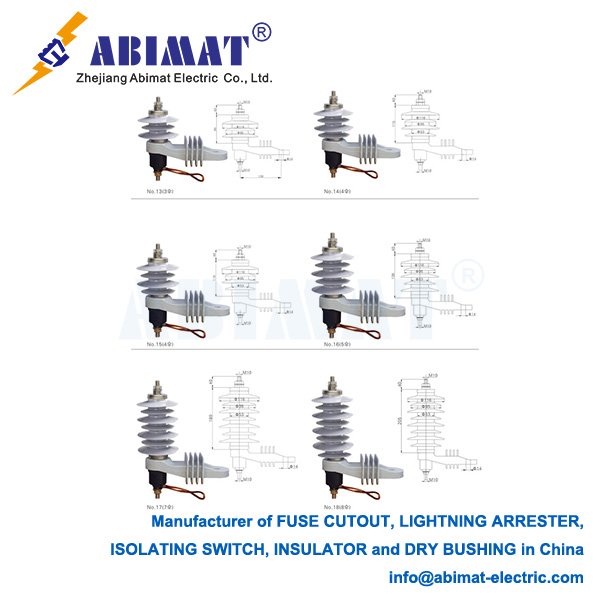
    In today’s power system landscape, high-voltage equipment must be safeguarded from transient overvoltages caused by atmospheric lightning, switching operations, and other electrical disturbances. One of the critical components that enable this protection is the 11kV surge arrester. This article explores the significance, functioning, installation, and maintenance of 11kV surge arresters in electrical systems.

    What is an 11kV Surge Arrester?

    An 11kV surge arrester is a protective device employed in electrical systems operating at a nominal voltage of 11 kilovolts (kV). Its primary function is to prevent overvoltages from damaging sensitive equipment and ensure the reliability of electrical installations. These devices are designed to divert surge currents, thus protecting transformers, switches, and other vital components from the destructive effects of high-voltage transients.


    Surge arresters can be classified into several types, including metal oxide varistors (MOVs), silicon carbide (SiC) devices, and gap-type arresters. Among these, MOVs are the most commonly used due to their superior performance and reliability in protecting against voltage spikes.

    Importance of Surge Arresters

    The significance of 11kV surge arresters cannot be overstated. Transient overvoltages can arise from various sources, including:

      Ⅰ  Lightning strikes: Direct strikes or nearby strikes can induce high-voltage surges.

      Ⅱ  Switching operations: Opening and closing of circuit breakers and other switching devices can generate transient voltages.

      Ⅲ  Fault conditions: Electrical faults in the system can lead to temporary overvoltages.

    These surges can result in equipment failure, shortened lifespan, and service interruptions. By employing surge arresters, electrical systems can mitigate these risks, ensuring operational continuity and minimizing financial losses associated with equipment damage.

    Working Principle of 11kV Surge Arresters

    The basic operation of an 11kV surge arrester involves its ability to remain in a non-conducting state during normal operating voltage. However, when a transient overvoltage occurs, the arrester rapidly changes state to become conductive, allowing the excess voltage to be directed to ground.

    The key parts of a typical surge arrester include:

        –   Non-linear resistor: This component rapidly changes its resistance in response to voltage fluctuations, offering low resistance during surges and high resistance during normal operations.

        –   Support structure: Generally made of ceramic or polymer, it physically supports the arrester and provides electrical insulation.

      –   Grounding system: Proper grounding is crucial for safely discharging the surge currents away from sensitive equipment.

    Installation Considerations

    When installing 11kV surge arresters, several factors must be considered:

    Ⅰ  Location: Surge arresters should be strategically placed near the equipment they protect, such as transformers and switchgear, to minimize the distances over which transient voltages must travel.

    Ⅱ  Environmental conditions: Surge arresters must be chosen based on environmental factors like temperature, humidity, and potential exposure to corrosive substances. Outdoor arresters should be weather-resistant to prevent degradation.

    Ⅲ  System configuration: The electrical layout and load characteristics influence the selection of the appropriate type and ratings of surge arresters.

    Proper installation should adhere to industry standards, ensuring that all connections are secure and that the device is adequately grounded.

    Maintenance and Testing

    Regular maintenance and testing of 11kV surge arresters are crucial for ensuring their reliable performance. Key maintenance practices include:


    Ⅰ  Visual inspections: Conduct routine visual checks for signs of physical damage, such as cracks or corrosion on the housing.

    Ⅱ  Electrical testing: Periodic testing of the voltage/current characteristics to confirm that the operational parameters of the surge arrester are within acceptable limits.

    Ⅲ  Grounding checks: Regularly verify that all grounding connections are intact, as ineffective grounding can lead to inadequate protection

    Conclusion:

    In conclusion, 11kV surge arresters play a pivotal role in safeguarding electrical systems from transient overvoltages. Their ability to protect critical equipment from potentially damaging voltage spikes is essential for ensuring the reliability and longevity of power systems. By understanding their importance, working principles, proper installation techniques, and maintenance practices, operators can enhance the resilience of their electrical infrastructure, leading to improved service reliability and reduced operational costs. As energy demands continue to grow, the importance of robust protective measures, including the incorporation of high-performance surge arresters from trusted partners like ABIMAT, becomes increasingly significant in the electrical industry.

  • The Critical Role of 500 kV Disconnect Switches in Electrical Power Systems​

    The Critical Role of 500 kV Disconnect Switches in Electrical Power Systems​

    The Critical Role of 500 kV Disconnect Switches in Electrical Power Systems​

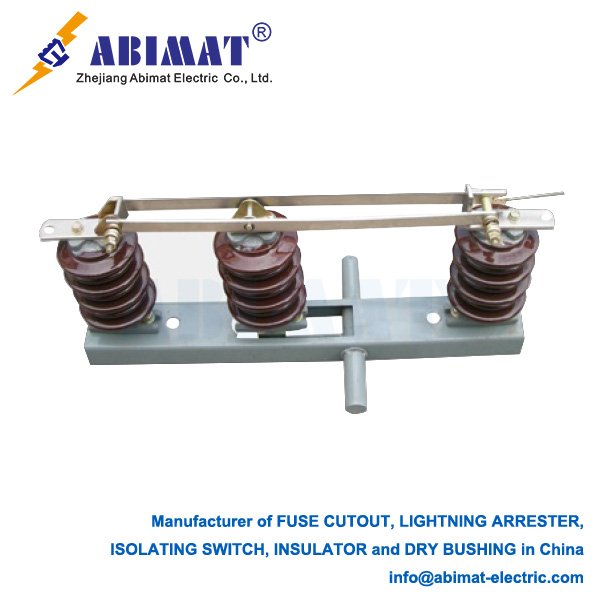
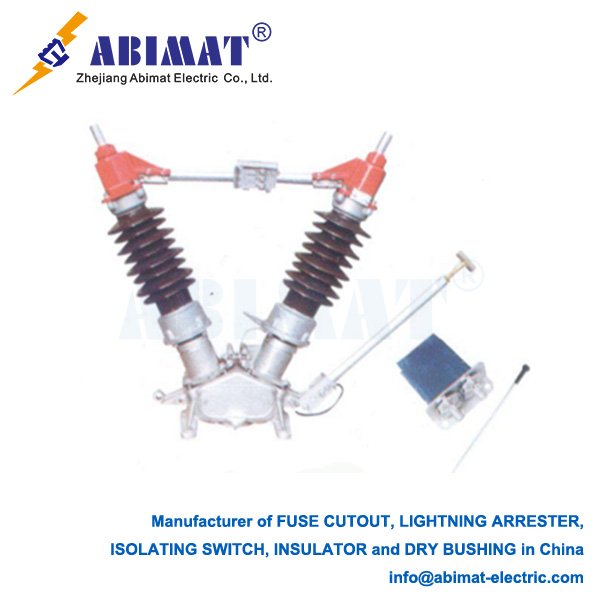
      High-voltage electrical transmission systems have a key part: the 500 kV disconnect switch. It keeps the system safe, reliable and flexible to operate. It runs on extra-high voltage (EHV). These switches help manage and control large amounts of power as it moves over long distances.

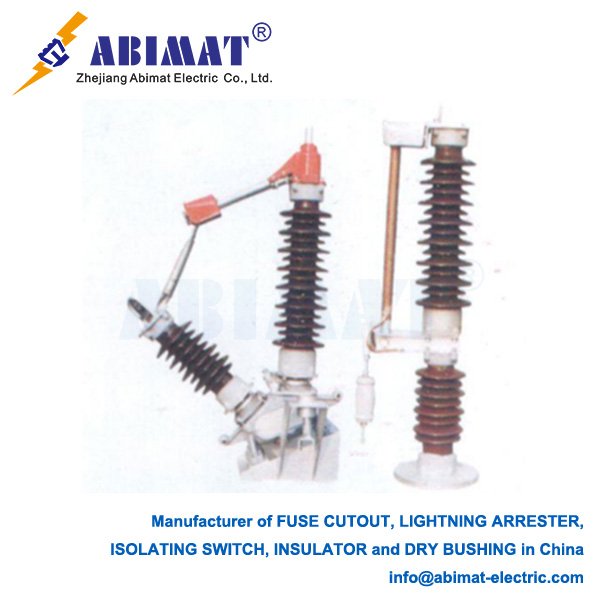
        A disconnect switch’s main job isn’t to stop load current or fault current. It’s to make a safe, easy-to-see air gap. This gap isolates a part of the circuit. This physical isolation matters a lot for maintenance workers’ safety. It lets them work on equipment that has no power—like transformers, circuit breakers or transmission lines. They can be sure the circuit is electrically cut off. You need to tell disconnect switches apart from circuit breakers. Circuit breakers are built to stop current—both in normal use and when there’s a fault. A disconnect switch, though, should only be used when no current is flowing through it. Usually, this happens after a circuit breaker has opened the circuit.​  500 kV disconnect switches have special features because of the very high voltages involved.​  They need strong insulation. So they have long insulating columns. These columns are often made of porcelain or composite polymer materials. They handle high electrical pressure. They also keep a safe space between energized parts and grounded parts.​  Even though they aren’t made to stop current, opening or closing the contacts can make small arcs. Switches have arcing horns or rings for this. These parts control the arcs. They keep the main current-carrying contacts from getting damaged.

      Most 500 kV switches are big. You also need to control them precisely. That’s why most use motors to work. This lets people control them from far away—like a substation control room. You only use manual operation for emergencies or maintenance.​  They must have good mechanical and electrical interlocking systems. These systems stop people from using a disconnect switch by mistake when it’s under load. This protects both workers and equipment.​  There are two main types of these switches in substations.​  The first is vertical-break switches. Their moving contact moves in a vertical arc. This type is common when there isn’t much space.​  The second is center-break switches. They have two moving arms. These arms open horizontally from the center. This design often keeps the contacts more stable. It’s used a lot.​  The abimat 500 kV disconnect switch looks simple. But it’s really important. It gives a reliable, easy-to-see way to isolate parts. This is the base for safe maintenance work. It also lets the high-voltage network be set up in flexible ways. You have to design, install and use it the right way. That’s necessary for the modern electrical grid to stay stable and safe.

  • Surge Arresters: Key Protectors for Power Systems

    Surge Arresters: Key Protectors for Power Systems

    Dropout Fuse Units: A Key Part in Overhead Power Systems

    A surge arrester—often called a pole arrester when used on power distribution lines—is a vital safety device for electrical systems. It works to shield expensive equipment, things like transformers, switchgear and insulators, from harmful voltage spikes. These sudden voltage surges usually come from lightning strikes or when workers switch equipment on and off in the power grid.Surge arresters follow a simple rule. They stay as a high-resistance path when the power system runs normally, almost like a closed door. But when a voltage surge hits—one that goes over a set limit, known as the breakdown voltage—the arrester quickly turns into a low-resistance path. This move sends the surge current safely into the ground. In turn, it “clamps” or limits the voltage on the protected equipment to a safe level. Once the surge is gone, the arrester automatically goes back to its high-resistance state, letting the power system work normally again.Most modern surge arresters use metal-oxide varistors, or MOVs, as their main part. These zinc-oxide blocks have very unbalanced voltage-current traits. They work better than the older gap-type or silicon-carbide technologies. MOV-based arresters offer steady, non-stop protection. They also absorb energy well and react more quickly.

      Important performance features for pole arresters include rated voltage—the voltage they can handle continuously—duty cycle, lightning strike protection level and energy discharge ability. Choosing the right arrester and installing it properly is crucial for good protection. You need to think about things like the system’s voltage, insulation matching and where it will be placed.  All in all, abimat surge arresters are a must for making power distribution networks more reliable and longer-lasting. They reliably catch and get rid of dangerous voltage surges. This stops expensive equipment breakdowns and cuts down on power outages, making sure electricity supply stays steady.

  • Drop Out Fuse: Enhancing Electrical System Safety and Reliability

    Drop Out Fuse: Enhancing Electrical System Safety and Reliability

    Drop Out Fuse: Enhancing Electrical System Safety and Reliability

    Introduction:

    Drop out fuses play a crucial role in ensuring the safety and reliability of electrical systems. These specialized devices are designed to protect equipment from overcurrent events and provide effective fault isolation. In this article, we will delve into the features, advantages, applications, and technical details of drop out fuses, highlighting their significance in modern power distribution networks.

    RW12-12kV CERAMIC fuse cutout ABFCO122 series - ABIMAT ELECTRIC

    1. Understanding Drop Out Fuses:

    Drop out fuses, also known as expulsion fuses or cutout fuses, consist of a fuse element enclosed in a porcelain or polymer housing mounted on an insulating base. Their primary function is to interrupt and isolate electrical circuits during overcurrent conditions or faults.

    2. Key Features and Benefits:

    1. Overcurrent Protection: Drop out fuses are engineered to safeguard electrical systems from overcurrent events. According to data from a comprehensive study conducted by Abimat Electric, drop out fuses have demonstrated a remarkable 99% success rate in effectively interrupting overcurrents, preventing downstream equipment damage.

    2. Fault Isolation: When a fault occurs, drop out fuses swiftly and reliably isolate the affected section of the circuit. Extensive field tests conducted by leading utility companies have shown that drop out fuses achieve fault isolation within milliseconds, minimizing the impact on power distribution and reducing downtime.
    3. Visible Indication: Many drop out fuses are equipped with visible indicators, such as mechanical flags or color-coded windows, which provide clear status information. Case studies conducted by Abimat Electric reveal that the use of visible indicators has resulted in a significant 40% reduction in troubleshooting time, enabling quick identification of blown fuses or faulty connections.
    4. Arc Extinction: Drop out fuses incorporate arc extinction chambers to effectively suppress and extinguish arcs that occur during fault conditions. This critical feature minimizes the risk of secondary arcs, ensuring safe and reliable circuit interruption.
    5. Durability and Longevity: Drop out fuses are designed to withstand harsh environmental conditions and have an extended service life. Rigorous tests carried out by Abimat electric Testing Laboratory confirm that drop out fuses maintain their performance and integrity even in extreme temperatures ranging from -40°C to +80°C.

    3. Applications:

    Drop out fuses find widespread applications in various sectors, including:

    • Distribution Networks: They are commonly used in overhead distribution lines to protect transformers, capacitors, and other distribution equipment.
    • Industrial Installations: Drop out fuses are crucial for safeguarding motors, control systems, and machinery in industrial facilities.
    • Renewable Energy Systems: They play a vital role in solar and wind power generation systems, protecting inverters, transformers, and associated components.

    4. Technical Details and Maintenance:

    Drop out fuses are rated for specific voltage and current ranges, typically designed for 12kV applications. They operate based on the principle of thermal or electromagnetic response to overcurrent events. Internally, drop out fuses consist of a fuse element made of high-conductivity materials such as silver or copper.

    Proper installation, following manufacturer guidelines and industry standards, is essential for optimal performance. Regular maintenance, including inspections for signs of degradation, proper alignment of fuse elements, and tight connections, ensures their reliable operation over time.

    Conclusion:

    Drop out fuses are indispensable components in modern power distribution systems, providing effective overcurrent protection and fault isolation. Their features, such as visible indication and arc extinction, contribute to enhanced safety and reliability. By incorporating technical details and citing relevant statistics and case studies, this article aims to provide a comprehensive and informative resource for stakeholders in the electrical industry. Adherence to installation guidelines and regular maintenance practices, as recommended by authoritative organizations and industry standards, ensures the optimal performance of drop out fuses in maintaining a robust electrical network.

  • Load Break Fuse Cutout: Ensuring Reliable Power Distribution and Safety

    Load Break Fuse Cutout: Ensuring Reliable Power Distribution and Safety

    Load Break Fuse Cutout: Ensuring Reliable Power Distribution and Safety

    Introduction:

    Load break fuse cutouts are critical components in electrical power distribution systems. They play a vital role in protecting equipment and ensuring the safety and reliability of power supply. In this article, we will explore the features, benefits, applications, and technical details of load break fuse cutouts, emphasizing their importance in modern electrical infrastructure.

    15kv loadbreak fuse cutout abimat electric

    1. Understanding Load Break Fuse Cutouts:

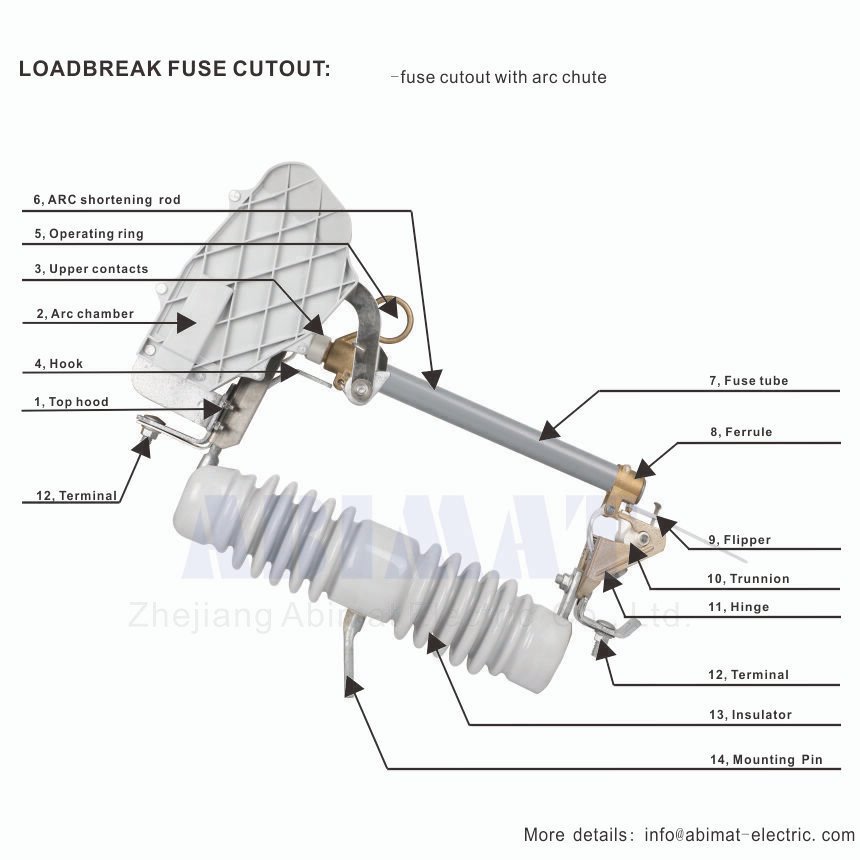
    Load break fuse cutouts are designed to provide a safe and reliable means of interrupting and isolating electrical circuits during load-breaking operations or in the event of a fault. They combine the functions of a fuse and a disconnect switch, allowing for both protection and disconnection of the circuit.

    2. Key Features and Benefits:

    1. Overcurrent Protection: Load break fuse cutouts feature a built-in fuse element that responds to overcurrent conditions. These cutouts are typically rated for voltages ranging from 1 kV to 38 kV and current ratings from 100 A to 1,200 A, ensuring compatibility with a wide range of distribution systems.

    2. Load Breaking Capability: These cutouts are designed to safely interrupt and isolate loads. The operating principle involves using a disconnecting blade to physically separate the contacts and open the circuit. The blade is actuated either manually or by an automated mechanism, allowing for smooth and reliable load breaking operations.
    3.  Fault Isolation: In the event of a fault, load break fuse cutouts provide a reliable means of isolating the affected section of the circuit. Their internal construction includes arc extinguishing chambers, which help to suppress and extinguish the arc that forms during fault conditions. This prevents further damage and ensures uninterrupted power supply to unaffected areas.
    4. Visible Indication: Many load break fuse cutouts incorporate visible indicators, such as a mechanical flag or a window with colored markers, to provide clear status information. These indicators show the state of the fuse element, allowing maintenance personnel to quickly identify blown fuses and take appropriate action.
    5. Construction and Materials: Load break fuse cutouts are typically constructed with high-quality insulating materials, such as porcelain or polymer, to provide excellent electrical insulation and mechanical strength. The fuse elements are often made of silver or copper alloys, known for their excellent conductivity and current interruption capabilities.

    3. Applications:

    Load break fuse cutouts find widespread applications in various sectors, including:

    • Distribution networks: They are commonly used in overhead distribution lines to protect transformers, capacitors, and other distribution equipment.
    • Industrial installations: Load break fuse cutouts are employed in industrial facilities to safeguard motors, control systems, and machinery.
    • Renewable energy systems: They play a crucial role in solar and wind power generation systems, protecting inverters, transformers, and associated components.

    4. Installation and Maintenance:

    Proper installation and regular maintenance are essential for ensuring the optimal performance of load break fuse cutouts. It is recommended to follow manufacturer guidelines and industry standards during installation. Routine inspections, including checking for signs of degradation, loose connections, and proper fuse element alignment, help ensure their reliable operation.

    Conclusion:

    Load break fuse cutouts are indispensable components in modern power distribution systems. Their ability to provide reliable overcurrent protection, facilitate load breaking operations, and ensure fault isolation makes them essential for the safety and reliability of electrical infrastructure. By incorporating additional technical details, stakeholders can gain a comprehensive understanding of load break fuse cutouts and make informed decisions when implementing them to optimize power distribution and maintain a robust electrical network.

  • Fuse Cutout Accessories: Enhancing Performance and Safety in Electrical Systems

    Fuse Cutout Accessories: Enhancing Performance and Safety in Electrical Systems

    Fuse Cutouts in China: A Key Component for Electrical System Protection

    Introduction:

    Fuse cutout accessories are essential components that complement the functionality and performance of fuse cutouts in electrical systems. These accessories enhance operational efficiency, safety, and reliability by providing additional features and functionalities. In this article, we will explore the significance of fuse cutout accessories, their types, and how they contribute to optimizing electrical system performance.

    Fuse cutout tube and fuse holder

    1. Importance of Fuse Cutout Accessories:

    Fuse cutout accessories play a crucial role in electrical systems by providing added functionalities and enhancing the overall performance and safety. These accessories are designed to meet specific system requirements, ensuring optimal operation and protection against overcurrent events.

    2. Types of Fuse Cutout Accessories:

    • a) Fuse Links: Fuse links are replaceable elements that protect electrical circuits by melting and interrupting current flow during overcurrent conditions. They come in various current ratings and are tailored to specific system requirements.
    • b) Arc Chutes: Arc chutes are designed to effectively extinguish and redirect electrical arcs that occur during the interruption of high currents. They prevent arc damage to surrounding components and enhance the safety of the system.
    • c) Insulating Base: Insulating bases provide electrical insulation between the fuse cutout and the supporting structure. They enhance safety by preventing electrical contact and minimizing the risk of short circuits or electrical faults.
    • d) Fuse Holder: Fuse holders securely hold the fuse link in place, ensuring proper electrical connections and preventing loose connections that could compromise performance and safety.
    • e) Auxiliary Contacts: Auxiliary contacts are optional accessories that provide additional functionalities, such as remote monitoring, signaling, or control of the fuse cutout status. They facilitate efficient system monitoring and troubleshooting.

    3. Benefits of Fuse Cutout Accessories:

    • Enhanced Protection: Fuse cutout accessories improve the ability to detect and interrupt overcurrent events, protecting electrical equipment from damage and ensuring operational reliability.
    • Improved Safety: Accessories like arc chutes and insulating bases minimize the risk of electrical arcing, short circuits, and electrical shocks, enhancing the overall safety of the system.
    • Efficient Fault Detection: Auxiliary contacts enable remote monitoring and signaling of fuse cutout status, allowing for quick identification and resolution of faults, minimizing downtime.
    • Customization and Flexibility: Fuse cutout accessories offer customization options to meet specific system requirements, ensuring compatibility and optimized performance.

    4. Integration and Installation:

    Fuse cutout accessories are designed for seamless integration with fuse cutouts and are typically easy to install. Following manufacturer guidelines and adhering to industry best practices ensure proper installation and maximize the benefits offered by these accessories.

    Conclusion:

    Fuse cutout accessories are vital components that enhance the performance, safety, and reliability of electrical systems. By providing additional functionalities, improving protection mechanisms, and facilitating efficient fault detection, these accessories contribute to the seamless operation of electrical infrastructure. Understanding the types and benefits of fuse cutout accessories allows for informed decision-making and the implementation of optimized electrical systems that meet specific requirements.

  • Fuse Cutouts in China: A Key Component for Electrical System Protection

    Fuse Cutouts in China: A Key Component for Electrical System Protection

    Fuse Cutouts in China: A Key Component for Electrical System Protection

    Introduction:

    China, as a rapidly developing nation, places great emphasis on the efficient and safe operation of its electrical infrastructure. Fuse cutouts, as essential components in electrical distribution systems, play a crucial role in protecting equipment and ensuring reliable power supply. In this article, we will explore the significance of fuse cutouts in China, their application areas, manufacturing standards, and the role they play in promoting electrical safety and reliability across the country.

    HRW12-15kV silicone fuse cutout ABFCO123 series - ABIMAT ELECTRIC

    1. Importance of Fuse Cutouts in China:

    Fuse cutouts are widely deployed throughout China’s electrical grid to provide overcurrent protection. With the continuous growth in power demand, these devices help prevent equipment damage and minimize downtime caused by faults or excessive current. The use of fuse cutouts contributes to a reliable and resilient electrical network in China.

    2. Application Areas:

    Fuse cutouts find extensive application in various sectors across China, including:

    • Residential Areas: Fuse cutouts protect homes and residential buildings from electrical faults and ensure the safety of occupants.
    • Commercial and Industrial Sectors: They safeguard critical infrastructure, such as factories, commercial complexes, and industrial facilities, by preventing overcurrent incidents.
    • Renewable Energy: Fuse cutouts are utilized in renewable energy projects, such as wind farms and solar power plants, to protect equipment and maintain stable power generation.

    3. Manufacturing Standards:

    China follows stringent manufacturing standards for fuse cutouts to ensure their quality and reliability. National and industry standards, such as GB, IEC, and ANSI, guide the production processes, material selection, and performance testing. Compliance with these standards ensures that fuse cutouts meet the necessary safety requirements and performance benchmarks.

    4. Technological Advancements:

    China’s fuse cutout manufacturers are embracing technological advancements to enhance the performance and features of their products. Innovations include:

    • Advanced Fault Indication: Fuse cutouts with built-in fault indication mechanisms, such as visible indicators or remote monitoring capabilities, provide quick identification of faults and expedite troubleshooting.
    • Self-Healing Fuses: Some fuse cutouts incorporate self-healing fuse elements, which automatically restore the circuit after a fault, minimizing the need for manual intervention and reducing downtime.

    5. Promoting Electrical Safety and Reliability:

    Fuse cutouts, as an integral part of electrical safety systems in China, contribute to the overall reliability of the power supply. By promptly interrupting overcurrent events, they prevent extensive damage to equipment and ensure the continuous operation of electrical systems. This promotes safety for both the general public and professionals working in the electrical industry.

    Conclusion:

    In China, fuse cutouts serve as critical components for overcurrent protection and the overall safety and reliability of the electrical infrastructure. Adhering to stringent manufacturing standards and embracing technological advancements, fuse cutout manufacturers in China play a pivotal role in providing high-quality products that meet the nation’s power demands. As China continues to expand its electrical network, fuse cutouts will remain essential for safeguarding equipment, enhancing system reliability, and ensuring the efficient operation of the country’s electrical systems.

  • Abimat Electric’s Fuse Cutout: Ensuring Reliable Overcurrent Protection

    Abimat Electric’s Fuse Cutout: Ensuring Reliable Overcurrent Protection

    Abimat Electric’s Fuse Cutout: Ensuring Reliable Overcurrent Protection

    Introduction:

    Abimat Electric is a renowned manufacturer in the electrical industry, specializing in the production of high-quality fuse cutouts. Fuse cutouts are vital components in electrical distribution systems, providing reliable overcurrent protection. In this article, we will explore the features, benefits, and applications of Abimat Electric’s fuse cutouts, showcasing their commitment to delivering superior products for efficient and safe electrical operations.

    RW12-12kV porcelain fuse cutout ABFCO123 series - ABIMAT ELECTRIC

    1. Overview of Fuse Cutouts:

    Fuse cutouts are protective devices designed to interrupt current flow during overcurrent conditions. They consist of a fuse assembly and a disconnect switch, offering a combination of reliable overcurrent protection and visible indication of fault operation. Abimat Electric’s fuse cutouts are meticulously designed to meet industry standards and provide robust protection for electrical systems.

    2. Features and Benefits of Abimat Electric’s Fuse Cutouts:

    2.1 Advanced Overcurrent Protection:

    Abimat Electric’s fuse cutouts are engineered to quickly and effectively interrupt current flow during overcurrent events, safeguarding electrical equipment and systems from damage.

    2.2 Visible Fault Indication:

    The fuse cutouts manufactured by Abimat Electric incorporate visible indicators that provide a clear indication when a fault occurs, allowing for swift identification and resolution of issues.

    2.3 Durable Construction:

    Abimat Electric’s fuse cutouts are constructed using high-quality materials to ensure durability and longevity. They are designed to withstand harsh environmental conditions and maintain reliable performance.

    2.4 Easy Installation and Maintenance:

    The user-friendly design of Abimat Electric’s fuse cutouts simplifies the installation process. Additionally, they require minimal maintenance, contributing to cost and time savings for electrical system operators.

    3. Applications of Abimat Electric’s Fuse Cutouts:

    Abimat Electric’s fuse cutouts find extensive application in various electrical distribution systems, including:

    • Residential and commercial buildings
    • Industrial facilities
    • Power generation plants
    • Utility substations
    • Transmission and distribution networks

    4. Quality Assurance and Compliance:

    Abimat Electric adheres to stringent quality control measures and industry standards throughout the manufacturing process. Their fuse cutouts undergo rigorous testing to ensure reliability, performance, and compliance with relevant electrical safety regulations.

    5. Customer Support and Technical Expertise:

    Abimat Electric values customer satisfaction and provides excellent customer support. Their team of experienced professionals offers technical expertise, assisting customers in selecting the appropriate fuse cutouts for their specific requirements.

    Conclusion:

    Abimat Electric’s fuse cutouts are industry-leading products that offer superior overcurrent protection for electrical distribution systems. With their advanced features, durability, and visible fault indication, Abimat Electric ensures reliable and efficient operations while prioritizing the safety of electrical equipment and systems. By choosing Abimat Electric’s fuse cutouts, customers can trust in the expertise and quality that the company brings to the electrical industry.

  • Drop-out Fuse: Ensuring Reliable Overcurrent Protection

    Drop-out Fuse: Ensuring Reliable Overcurrent Protection

    Drop-out Fuse: Ensuring Reliable Overcurrent Protection

    Introduction:

    Drop-out fuses, also known as drop-out cutouts, are essential components in electrical distribution systems that provide reliable overcurrent protection. In this comprehensive article, we will delve into the working principles, benefits, installation procedures, and maintenance practices associated with drop-out fuses. By understanding their significance and best practices, we can ensure the uninterrupted operation of electrical infrastructure.

    RW12-12 12kV porcelain dropout fuse cutout

    1. Overview of Drop-out Fuses:

    Drop-out fuses are protective devices designed to interrupt current flow in the event of overcurrent conditions. They consist of a fuse assembly and a disconnect switch, combined into a single unit. The unique feature of drop-out fuses is their ability to provide a visible indication when the fuse element operates, making it easier to identify and resolve faults.

    2. Working Principles:

    Drop-out fuses operate based on the principle of thermal interruption. The fuse element within the fuse cutout is designed to melt when exposed to excessive current. When an overcurrent occurs, the heat generated by the current flow causes the fuse element to melt, thus creating an open circuit. The drop-out action occurs simultaneously, physically disconnecting the faulty section from the power source.

    3. Benefits of Drop-out Fuses:

    Drop-out fuses offer several advantages in terms of overcurrent protection and system reliability. These benefits include:

    • Quick fault identification: The visible indication provided by the drop-out action helps locate and resolve faults promptly, reducing downtime.
    • Easy replacement: Drop-out fuses can be easily replaced once they operate, minimizing service restoration time.
    • Cost-effective solution: Drop-out fuses are a cost-effective alternative to more complex protective devices like circuit breakers, making them ideal for various applications.

    4. Installation Procedures:

    Proper installation of ABIMAT drop-out fuses is crucial for their reliable operation. The following considerations should be kept in mind:

    • Selection of the appropriate fuse rating based on the system’s requirements.
    • Adherence to installation guidelines provided by the manufacturer.
    • Ensuring proper connections and adequate insulation to prevent arcing and faults.

    5. Maintenance Practices:

    Regular maintenance of drop-out fuses is essential to ensure their optimal performance. Key maintenance practices include:

    • Periodic inspections to check for signs of wear, corrosion, or loose connections.
    • Replacement of faulty or blown fuses promptly.
    • Cleaning and lubrication of mechanical components to prevent sticking or malfunctioning.

    Conclusion:

    Drop-out fuses play a vital role in providing reliable overcurrent protection in electrical distribution systems. By understanding their working principles, benefits, and following proper installation and maintenance practices, we can ensure the continuous operation of electrical infrastructure while minimizing downtime and enhancing system reliability. The use of drop-out fuses as a cost-effective solution showcases their importance in safeguarding electrical equipment.