Author: Zhou

  • The 11kV Polymer Pin Insulator: A Modern Insulation Solution

    The 11kV Polymer Pin Insulator: A Modern Insulation Solution

    The 11kV Polymer Pin Insulator: A Modern Insulation Solution

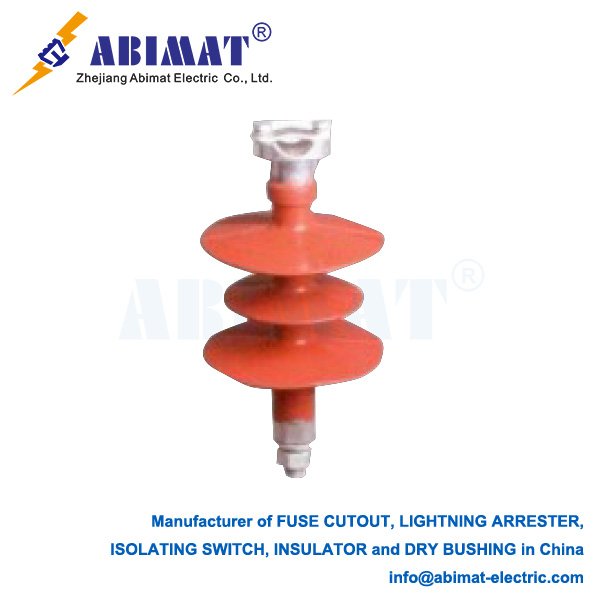
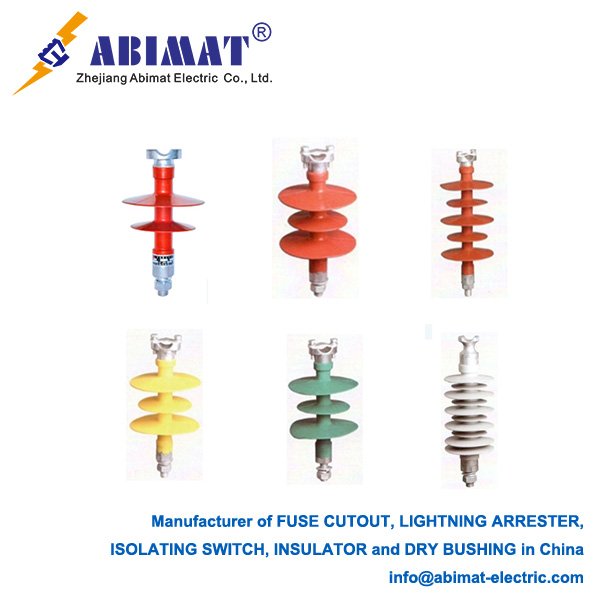
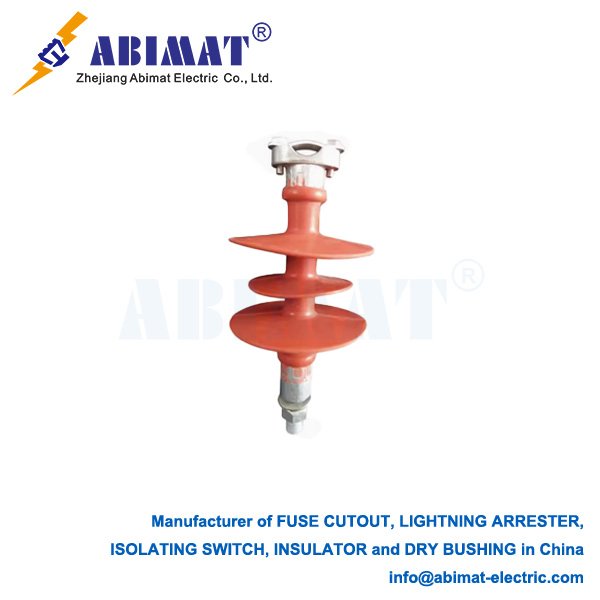
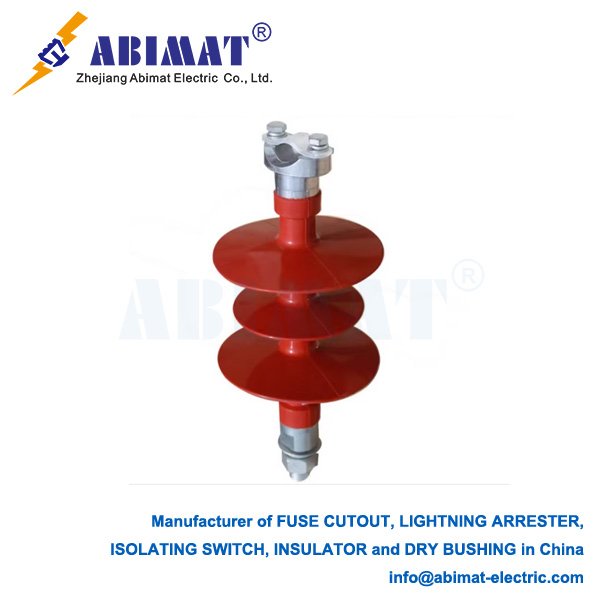
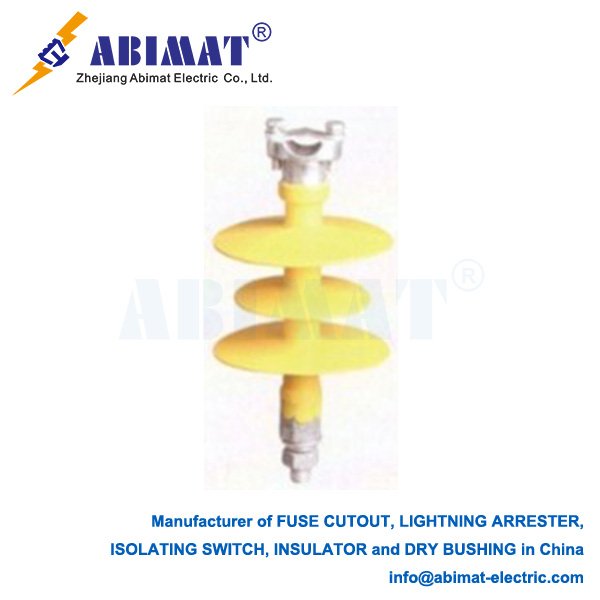
    The 11kV polymer pin insulator is important for medium-voltage (MV) power distribution networks. It mostly helps hold live conductors. It also keeps them from sending electricity to grounded utility poles. Compared with old porcelain and glass insulators, it’s a big improvement—it works better and has more useful good points for daily use.​

    Construction and Material​

    This insulator has a core—it’s a fiberglass-reinforced plastic (FRP) rod. The rod gives strong mechanical tensile strength. A housing and sheds cover this rod. These parts are usually made of flexible rubber—most often ethylene propylene diene monomer (EPDM) or silicone rubber (SIR). This polymer housing is what makes the insulator work better. We design it with a hydrophobic (water-repelling) surface. This surface turns water into small drops and makes them roll off. That stops a continuous wet, dirty, or salty layer—one that conducts electricity—from forming.​

    Big Benefits Over Old Designs​

    Now, more and more people use polymer instead of porcelain for 11kV systems. We’ll explain why these good points matter:​
    One key good point is how well it repels water. As we said before, this cuts down leakage current a lot. It also lowers the risk of flashover. It works especially well in dirty or damp places, so the insulator is more reliable.​
    Another good thing is it’s light but strong. Polymer insulators are about 90% lighter than porcelain ones. This makes it safer for us to carry them by hand. It also makes installation easier and transport cheaper.​
    They also take hits well. Porcelain breaks easily, but polymer ones don’t. They can stand up to vandalism, accidental bumps, and damage during shipping or installation. So fewer of them get broken.​
    And they work better in polluted areas. Their water-repelling surface, plus a longer leakage distance (thanks to a better shed shape), makes them really tough. Take industrial areas—or places near the coast where pollution is high—they hold up well.

    How They’re Used in 11kV Networks​

    In 11kV power distribution systems, we mostly use these insulators as pin-type. We attach them to the cross-arms of wooden, concrete, or steel poles. They hold the power conductor tight. They also keep a safe distance from the pole. They’re light too, so they make the poles carry less weight.​

    Things to Note for Long-Term Use​

    Polymer insulators last a long time, but they age slowly over time. This happens when they’re out in UV rays, electrical activity—we call this “corona”—and environmental pressure for a long time. We put UV stabilizers and fillers in high-quality insulators. This slows the aging process. One possible problem is the FRP core breaking suddenly and easily. This can happen if water gets inside and causes acid corrosion. But modern sealing methods have mostly fixed this.
    All in all, the abimat 11kV polymer pin insulator is strong, efficient, and cheap for modern power distribution. It works better in tough conditions, and it’s easy to handle too. That’s why power companies around the world often pick it—when they want to make their 11kV networks stronger and more reliable.
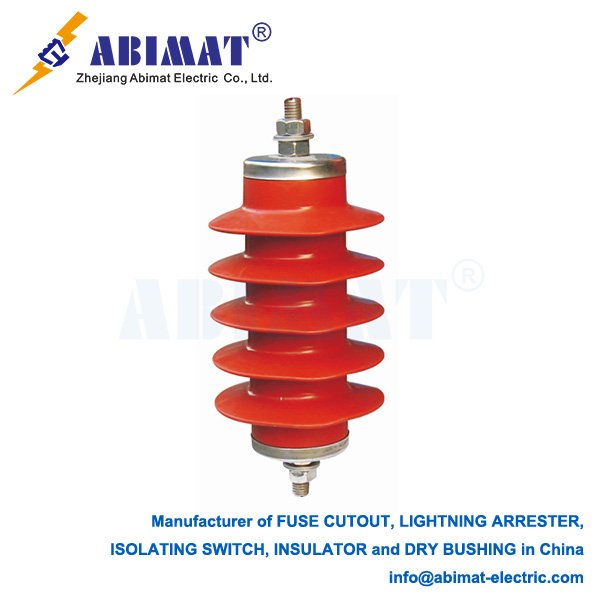
  • Lightning Arrester for 22kV Systems: Essential Protection for Medium Voltage Networks​

    Lightning Arrester for 22kV Systems: Essential Protection for Medium Voltage Networks​

    Lightning Arrester for 22kV Systems: Essential Protection for Medium Voltage Networks

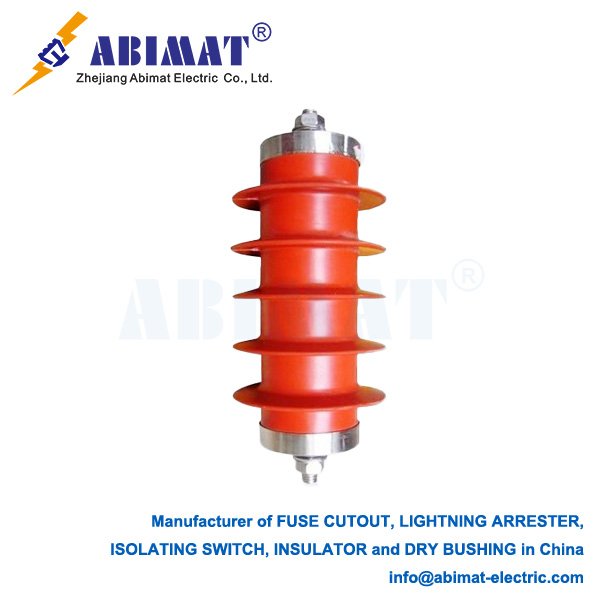
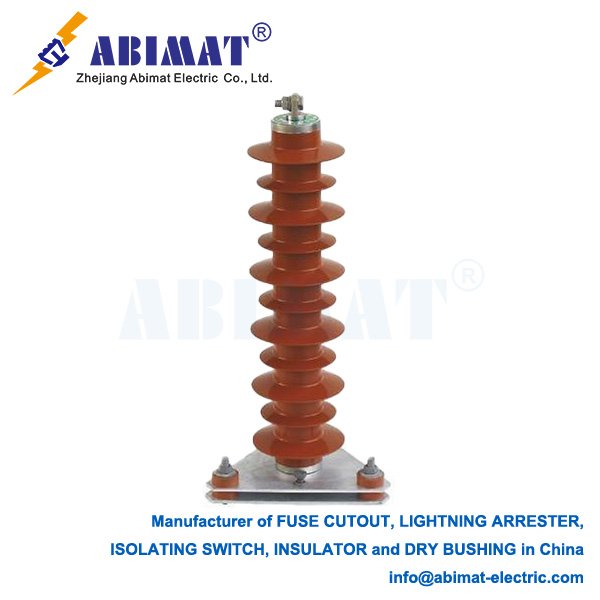
    Lightning arresters are key protective devices in 22kV electrical distribution systems. They’re built to shield equipment from harmful voltage surges—surges that come from lightning strikes and switching work. For 22kV setups, the modern standard is metal-oxide varistor (MOV) arresters, the kind without series gaps. People choose them because they work better and more reliably than other types.

    Operating Principle and Construction

    The main part of a 22kV lightning arrester is a stack of zinc oxide (ZnO) discs, and these discs sit inside a polymeric housing. They have a very non-linear relationship between voltage and current. When the system runs at normal voltage—12.7kV from phase to ground for 22kV systems—the discs act like good insulators. But when there’s an overvoltage, they become highly conductive in nanoseconds. This quick shift sends surge currents to the ground, which keeps the voltage from rising too much—staying at a safe level. The polymeric housing helps too: it works well in polluted areas, repels water, and can handle impacts without breaking.

    Key Technical Parameters

    If you want to pick the right arrester, you need to check a few important ratings:

    Rated Voltage (Ur): For 22kV systems, this is usually 24kV or 27kV. This rating lets the arrester deal with temporary overvoltages.

    Continuous Operating Voltage (Uc): It needs to be higher than the system’s maximum voltage. For 22kV setups, this is usually 19kV.

    Nominal Discharge Current: This is most often 5kA or 10kA. It’s the standard lightning impulse current people use to classify the arrester.

    Residual Voltage: This is the voltage you measure across the arrester when it discharges. It has to be lower than the Basic Insulation Level (BIL) of the equipment it protects—and for 22kV systems, that BIL is usually 125kV or 150kV.

    Application and Coordination

    For 22kV systems, people install arresters at line entries, near transformers, and on switching equipment. These arresters need to pair well with the system’s insulation level and other protective devices. The protection level the arrester gives has to stay far enough below the BIL of transformers, circuit breakers, and cables—usually a 15-25% gap. This way, everything works reliably.

    Maintenance Considerations

    Regular maintenance has a few simple steps. You start by checking the arrester’s surface with your eyes—look for damage or tracking marks. Next, you make sure the grounding connections are tight and working right. You also read the discharge counter regularly to keep an eye on how it’s used. Sometimes you do other checks too, like leakage current analysis. These checks help you find arresters that are getting old before they stop working.

    If you pick the abimat right 22kV lightning arresters and keep them maintained, they make the system a lot more reliable. They stop insulation from failing, reduce power outage times, and protect valuable equipment from short-term overvoltages.

  • Polymer Dead-End Insulators: Modern Strength and Reliability for Power Lines

    Polymer Dead-End Insulators: Modern Strength and Reliability for Power Lines

    Polymer Type Insulators: Modern Solution for Power Line Insulation​

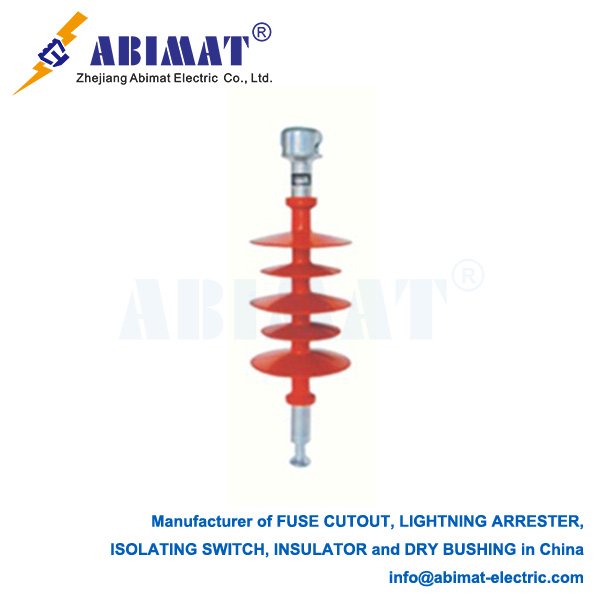
    Polymer type insulators—people also call them composite insulators—are a big step forward for insulation on overhead power lines. Each of these insulators has a fiberglass reinforced plastic (FRP) core. Around this core are weather sheds, and these sheds are made from polymer materials—like silicone rubber or EPDM.​
    Their basic structure has three key parts. One is the FRP core—it gives the insulator mechanical strength. Another is the polymer housing and sheds—they protect the insulator from the environment and provide the needed creepage distance. The third is the metal end fittings—they let the insulator connect to support structures and conductors. This design makes the insulator light but strong. When you compare it to traditional ceramic insulators, it has a better mechanical strength-to-weight ratio.
    Polymer insulators have great hydrophobic properties—this is especially true for the ones made with silicone rubber. This trait stops water from making continuous films on the insulator’s surface. That helps the insulator work much better in dirty conditions. The hydrophobic surface makes water form small drops and roll off. So even in wet, dirty places—where regular insulators might have flashovers—the polymer insulator keeps high insulation resistance.​
    Polymer insulators have several advantages. One big one is their much lower weight—they’re about 70 to 90% lighter than porcelain insulators. This makes them easier to handle and install. It also means the supporting towers don’t need to be as strong. They also hold up well against vandalism and impact damage. Unlike brittle ceramic materials, they don’t shatter. Their design is flexible too. You can adjust the shed shapes to fit the specific pollution levels in different places where the insulators are used.​
    You can use these insulators in many places. They work for distribution and transmission lines—even ones with ultra-high voltages. They’re especially good for areas with lots of pollution, coastal areas, and places where earthquakes are likely. They work reliably, last a long time, and don’t need much maintenance. That’s why they’ve become the top choice for modern power systems all over the world.​
  • Load Disconnect Switch: Function and Application in Electrical Systems

    Load Disconnect Switch: Function and Application in Electrical Systems

    Load Disconnect Switch: Function and Application in Electrical Systems

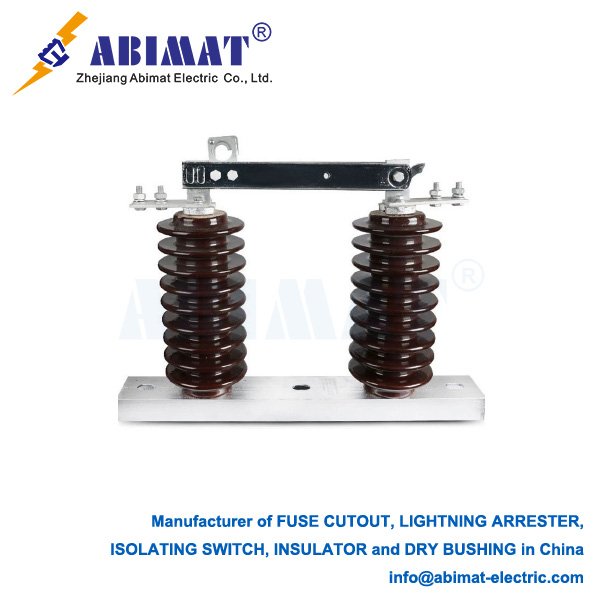
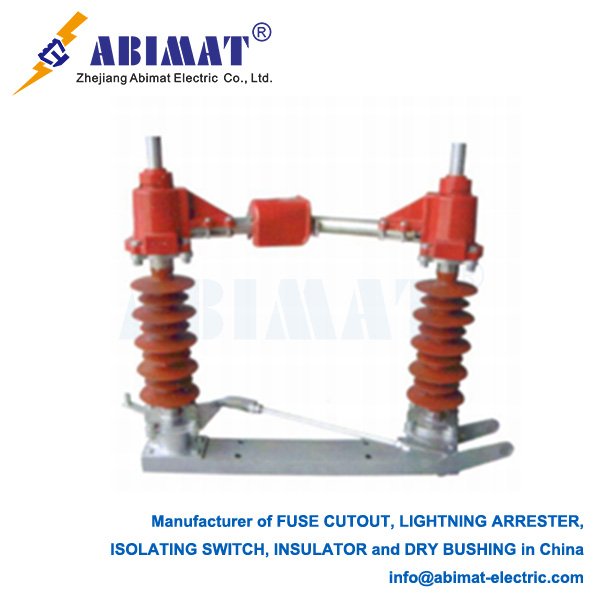
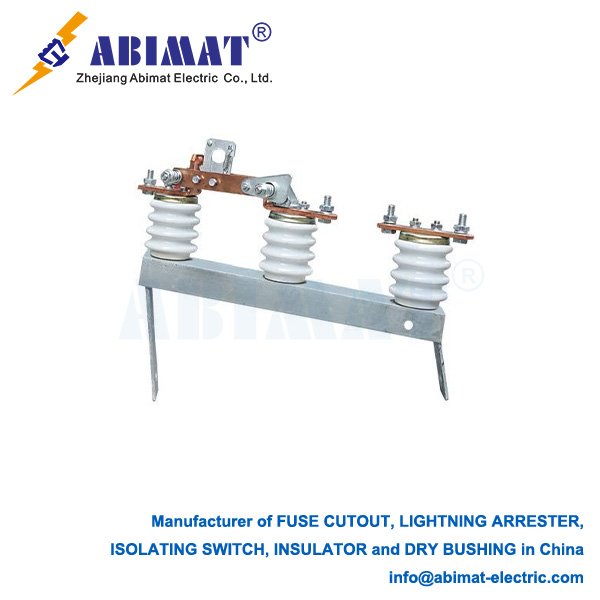
    A load disconnect switch is an important part of electrical distribution systems. It’s made to safely turn electrical circuits on and off when the circuits are carrying load. Unlike basic isolation switches—those only work when circuits have no power—this switch is rated specifically for stopping the rated load current.

    Primary Function and Operating Principle

    The main job of a load disconnect switch is to give a reliable way to cut a circuit or piece of equipment off from its power source. And it can do this even when the circuit is carrying normal working current.

    It does this with a mechanism that turns on and off fast. This fast contact separation puts out the arc that forms quickly and safely. The switch has to handle the heat and magnetic forces that come with this interruption, too.

    Key Design Characteristics

    The switch has a strong contact system. The contacts are made to handle turning load current on and off many times—without wearing out too much or getting too hot. They’re usually made of materials that can stand up to arcs, like silver-tungsten or silver-cadmium oxide.

    Most designs let you see the break clearly. When the switch is open, there’s a clear air gap between the contacts. This tells you for sure the circuit is isolated and safe for maintenance work.

    The switch also has ways to control and put out arcs. Things like magnetic blow-out coils, de-ion chambers, or materials that make gas—these help stretch and cool the arc fast. They make sure the arc is put out in just one AC cycle.

    Many switches have safety interlocks, too. These can be mechanical or use keys. They stop people from operating the switch by accident when there’s a fault. They also make sure you follow the right steps—like keeping the enclosure door closed when the switch is energized.

    Comparison with Related Devices

    You need to tell a load disconnect switch apart from other switching devices.

    Take a circuit breaker, for example. A circuit breaker is made to stop both load current and fault (short-circuit) current. A load switch isn’t rated for stopping fault current, though. It needs protection from an upstream fuse or circuit breaker.

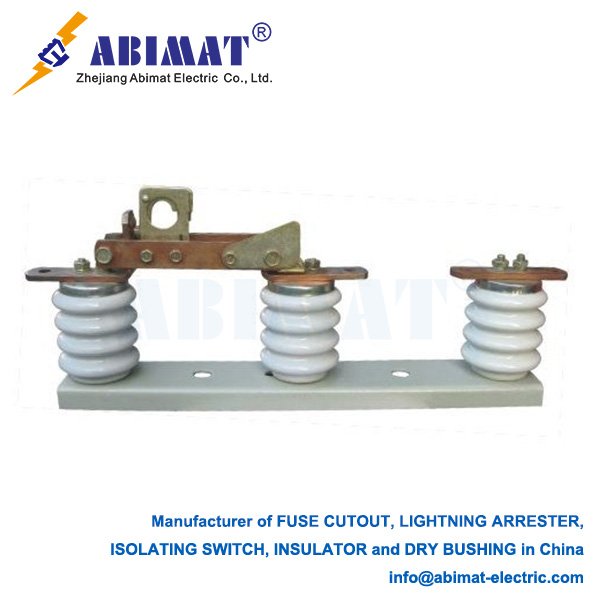
    Then there’s the isolator (disconnector). A basic isolator gives a visible break for safety, but it can’t stop current. You can only use it when the circuit has no power.

    Common Applications

    Load disconnect switches are used in many places.

    They work for transformer primary switching—isolating and controlling distribution transformers.

    For motor control, they act as the main way to disconnect motors. Often, they’re used with contactors that handle starting and stopping the motor.

    They also connect and disconnect capacitor banks—these banks help correct the power factor.

    And they’re used as feeder and sectionalizing switches, helping manage how distribution feeders are set up.

    In short, an abimat load disconnect switch is a special device. It fits between a basic isolator and a full-featured circuit breaker, giving safe and reliable interruption of load current for many kinds of medium-voltage electrical equipment.

  • Lightning Arrester for 33kV Systems: An Essential Protection Device

    Lightning Arrester for 33kV Systems: An Essential Protection Device

    Polymer Strain Insulators: A Modern Solution for Overhead Line Applications

    Polymer strain insulators—people also call them composite strain insulators—are key parts in modern electrical systems that send and distribute electricity. They’re made specifically to handle two jobs: taking mechanical pulling force and dealing with electrical pressure. You’ll find them at suspension points and dead-end points on overhead power lines.

    Structure and Composition

    When you look at a typical polymer strain insulator, it has three main parts.

    The core is the part that carries loads. It’s usually a rod made of fiberglass reinforced polymer (FRP), and it can handle a lot of pulling force without breaking.

    The housing and sheds are made from plastic-like materials—stuff like silicone rubber (HTV or LSR) or EPDM rubber. This housing keeps the core safe from damage by the weather and other outdoor conditions. It also gives the insulator the right amount of surface distance needed to work properly—we call this creepage distance. The sheds are made to help the insulator work better in places with a lot of dirt or pollution.

    The end fittings are metal parts, like ball, socket, or clevis pieces. They’re attached to the core for good—you can’t take them off easily. They let the insulator connect to the power tower and the electrical conductor.

    Key Characteristics and Advantages

    Polymer insulators are strong for how light they are. They’re way lighter than porcelain or glass insulators—this makes them easier to hold and move. It also takes some weight off the towers that hold them up.

    They’re also good at handling vandalism and hits. Their mixed-material structure is really tough. Porcelain breaks easily, but these insulators don’t shatter if something hits them or if someone shoots at them. This makes the power line more dependable.

    The silicone rubber housing is hydrophobic—meaning it pushes water away. So no steady layer of water forms on its surface. This helps the insulator work better when it’s wet or in polluted areas, and it makes flashover (a kind of electrical spark) less likely.

    They’re easy to hold and install, too. Being lightweight cuts down on how long installation takes. It also lowers labor costs and reduces the chance of workers getting hurt.

    Performance and Applications

    Polymer strain insulators work well in places with lots of pollution, near the coast, or up high in the mountains. That’s because they keep pushing water away, even in those places. Their flexible design lets people change the creepage distance to fit how much pollution is in the area.

    They’re the top choice for several situations. One situation is dead-end and suspension spots on the lines that send and distribute electricity—they work great there. They’re also good for places where people might damage them on purpose or hit them by accident. You can use them in railway power systems (called OHE systems) too. And they’re a good choice for areas where being light and working well in pollution are really important.

    In short, the abimat polymer strain insulators are strong, light, and dependable. They keep the mechanical and electrical parts separate in modern power systems. In many hard working conditions, they do a better job than old-style materials like porcelain or glass.

  • Polymer Dead-End Insulators: Modern Strength and Reliability for Power Lines

    Polymer Dead-End Insulators: Modern Strength and Reliability for Power Lines

    Polymer Dead-End Insulators: Modern Strength and Reliability for Power Lines

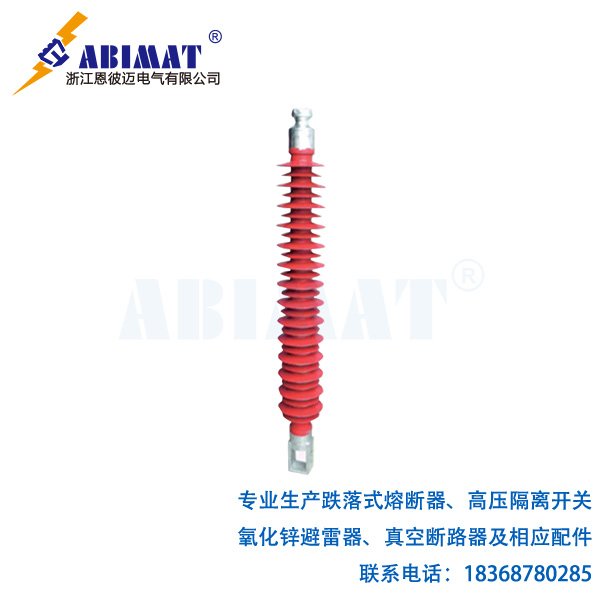
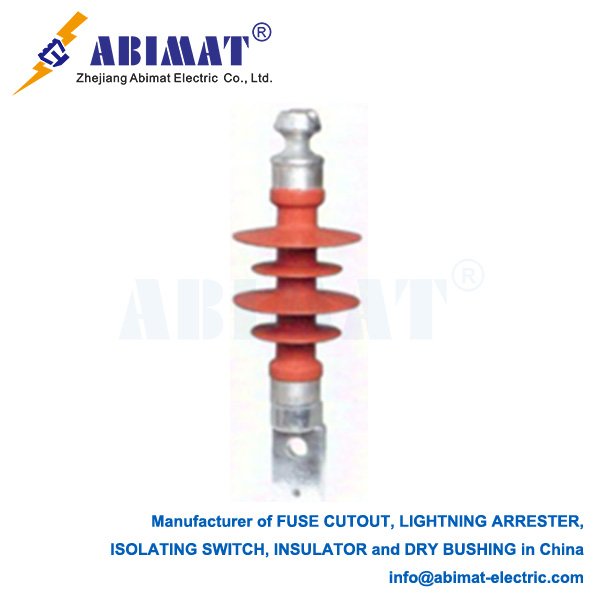
    A polymer dead-end insulator is an important part of electrical distribution and transmission networks. It has two main jobs: giving mechanical support and providing electrical insulation. It gets used where a power line ends or turns sharply. It’s different from suspension insulators—those hang freely. A dead-end insulator has to hold the full mechanical tension of the conductor. And it still needs to keep its insulating ability.

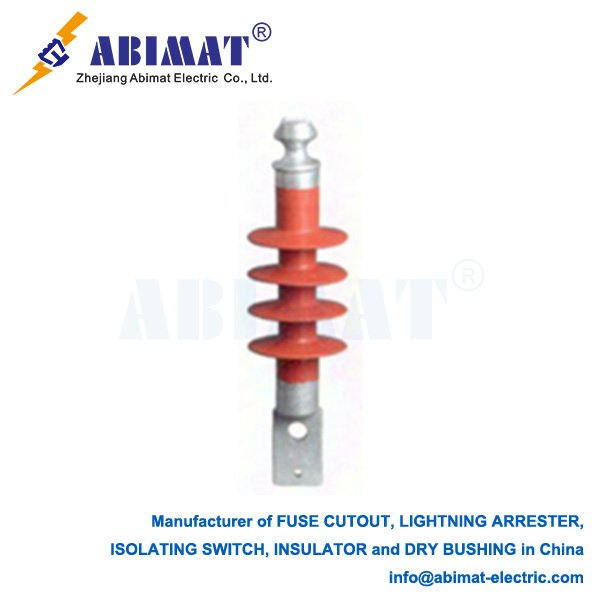
    These insulators have a strong structure. It’s made of three main parts. The first part is the core. This part carries the load. It’s usually a rigid fiberglass rod (FRP). This rod has very high tensile strength. It takes the mechanical load from the conductor.

    The second part is the housing and sheds. The fiberglass core is covered by a housing. It also has sheds—those are the umbrella-like parts sticking out. Both the housing and sheds are made of polymer material. The most common ones are ethylene propylene diene monomer (EPDM) or silicone rubber (SIR). These sheds are important. They give the necessary creepage distance. This distance stops flashover from happening.

    The third part is the end fittings. These are metal parts. They’re often made of forged iron or malleable iron. They get attached to both ends of the core. These fittings have special designs. Some have clevis, ball, or tongue shapes. These shapes let the insulator connect to the supporting structure and the conductor.

    Polymer dead-end insulators have big advantages. That’s why they’re used so widely now—way more than traditional porcelain ones. First, they’re lightweight. They’re much lighter than porcelain insulators of the same type. This makes moving them, handling them, and installing them easier. It also makes these jobs faster and safer.

    Second, they’re good at resisting vandalism and impacts. The polymer housing is very tough. It doesn’t shatter. It can stand damage from gunshots or things people throw. This is a big plus in many areas.

    Third, their surface repels water. Polymer materials—especially silicone rubber—do this naturally. This stops a continuous water film from forming on the surface. This helps the insulator work better when it’s wet, in polluted areas, or near the coast. It also reduces leakage currents.

    Fourth, they work better in dirty conditions. They have two things helping here: the water-repellent surface and a longer, more effective creepage path. These two things let the insulators keep working well in places with industrial pollution or salt pollution. So people don’t need to clean them as often.

    Polymer dead-end insulators get used in many tough situations. One situation is when overhead lines end on poles or transmission towers—they’re used there. Another is when lines need to be anchored at angle points or corners. They also give strain support where underground lines connect to overhead lines.

    These insulators are very durable, but they have one weak point. Their polymer housing can age slowly over time. This happens because of ultraviolet radiation and electrical activity. Good manufacturers fix this problem. They add fillers like alumina trihydrate (ATH) to the polymer mix. This makes the insulator better at resisting tracking and erosion.

    The abimat polymer dead-end insulator is a big step forward in overhead line hardware technology. It has three good qualities together: high mechanical strength, great electrical insulation, and strong performance in different environments. It gives a reliable, cost-effective, and long-lasting solution. This solution helps secure and insulate electrical conductors when they’re under tension.

  • Polymer Pin Insulator: A Modern Insulation Solution

    Polymer Pin Insulator: A Modern Insulation Solution

    Polymer Pin Insulator: A Modern Insulation Solution

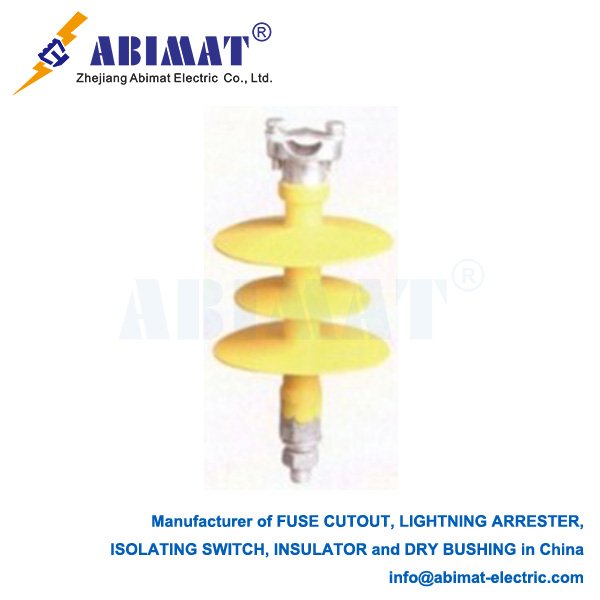
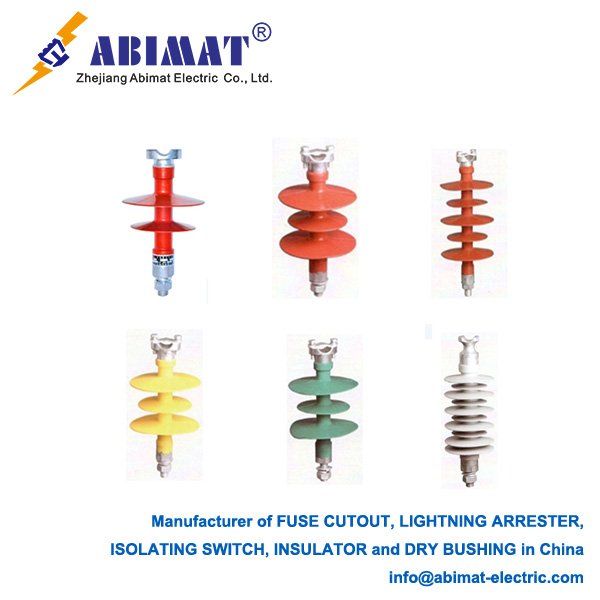
    A polymer pin insulator is an important part in modern medium-voltage distribution systems—these systems usually go up to 33kV. It’s made to hold up overhead line conductors and keep them electrically separate from mechanical support structures, like poles or crossarms. It’s a big step forward in technology compared to traditional porcelain and glass insulators. It works better and has more benefits for daily use.

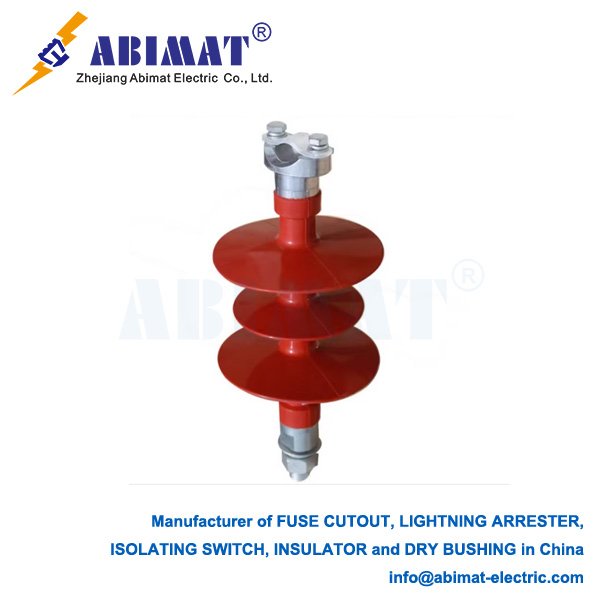
    Its basic structure has three main parts: a core, a housing, and end fittings. The core is a fiberglass rod that holds weight—it gives the insulator high mechanical strength to handle tension. This core is covered by a housing and sheds. These parts are made of polymer materials, most often silicone rubber or EPDM (Ethylene Propylene Diene Monomer). This mix of materials is what makes the insulator have so many advantages.

    Key Advantages

    • Lightweight but strong: Polymer insulators are much lighter than porcelain ones. This makes them easier to handle, move, and install. It also cuts down on labor costs and lowers the risk of getting hurt.​
    • Good at repelling water: The silicone rubber housing has a special trait—it repels water. Water forms small drops and rolls off, instead of making a thin conductive layer that covers the surface. This helps the insulator work way better in wet, dirty conditions. It also makes flashovers (sparks that jump over the surface) much less likely.​
    • Hard to break from hits: Porcelain is easy to break, but polymer insulators can handle shocks well. They also stand up to vandalism. This means they break less often when being moved, installed, or used.​
    • Works better in dirty conditions: The insulator’s design has many flexible sheds. These sheds make the path for leakage current longer. They also don’t get dirty as easily. The insulator’s water-repelling trait helps too—even if it does get dirty, the surface still doesn’t conduct electricity when it’s wet.

    Design and Specifications

    A usual polymer pin insulator is put on a pin. This pin is fixed to the crossarm. The conductor (the wire that carries electricity) is held in the groove on top of the insulator. Key design details include these:
    • Rated Voltage: For example, 11kV, 22kV, 33kV.
    • Creepage Distance: This is the total path along the insulator’s surface between the parts that conduct electricity. Areas with lots of air pollution need insulators with a longer creepage distance.
    • Puncture Strength: This is the voltage that makes a disruptive spark go through the solid material of the insulator.
    • Impulse Withstand Voltage: This is how well the insulator can handle high-voltage surges—like the ones from lightning.

    To sum up, an abimat polymer pin insulator is a strong, reliable, and cheap solution for modern overhead distribution lines. It works well in dirty conditions, is light, and lasts a long time. These things make it the top choice for power companies all over the world. It also makes power distribution networks safer and more reliable.
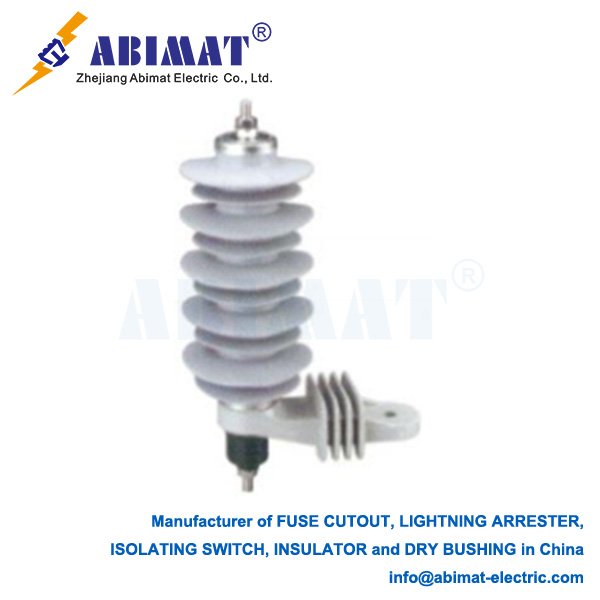
  • Lightning Arrester for 33kV Systems: An Essential Protection Device

    Lightning Arrester for 33kV Systems: An Essential Protection Device

    Lightning Arrester for 33kV Systems: An Essential Protection Device

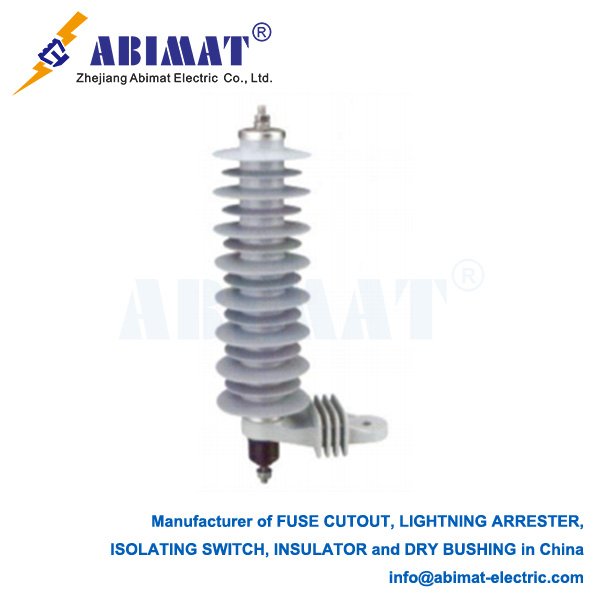
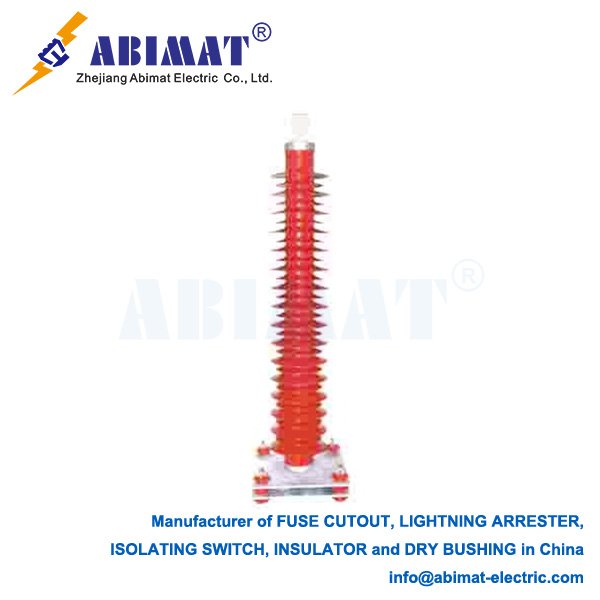
    A lightning arrester—you can call it a surge arrester more exactly in modern use—is an important part. It’s made to keep 33kV electrical power systems safe from transient overvoltages. These overvoltages mostly come from lightning strikes or switching work. They can badly damage expensive equipment—things like transformers, circuit breakers, and switchgear. The arrester’s main job is to limit these voltage surges. It also gives a low-resistance path for the surge current to go to the ground. This helps keep the system working reliably.​
    Modern 33kV surge arresters are mostly the metal-oxide varistor (MOV) type. Their core part is a stack of zinc oxide discs. These discs have a very non-linear voltage-current trait. When the system runs normally—at or below its 33kV rated voltage—the arrester has extremely high resistance. It acts like an open circuit, and only a tiny bit of leakage current flows through it. But when a surge voltage goes higher than the arrester’s protective level, the zinc oxide discs switch to a very low-resistance state right away. This moves the big surge current safely to the ground. It also holds the voltage across the protected equipment at a safe value.​
    Key specs for a 33kV system arrester include these:​
    • Rated Voltage: This is the highest power-frequency voltage (rms) the arrester is made to work with correctly. For a 33kV system, this is usually 36kV or 42kV.​
    • Duty Cycle: This checks if the arrester can handle temporary overvoltages (TOV). These are power-frequency overvoltages that last longer.​
    • Nominal Discharge Current: This is a standard current wave—like 10kA. People use it to sort the arrester’s protection level.​
    • Residual Voltage: This is the voltage across the arrester’s terminals when it discharges the nominal current. A lower residual voltage means better protection.​
    You need to choose, install, and check the arrester regularly—these steps are crucial. The arrester has to be installed as close as possible to the equipment it protects. Usually, it goes on the incoming line side of a 33kV power transformer. A good low-resistance grounding connection is needed for it to work well.​
    To sum up, the abimat 33kV lightning arrester is a safety device you can’t do without. It quickly eases dangerous voltage surges. This keeps medium-voltage electrical infrastructure working properly and lasting longer. It also stops expensive power outages and equipment breakdowns.
  • The 11kV Expulsion-Type Pole-Mounted Fuse: A Pillar of Distribution Protection

    The 11kV Expulsion-Type Pole-Mounted Fuse: A Pillar of Distribution Protection

    The 11kV Expulsion-Type Pole-Mounted Fuse: A Pillar of Distribution Protection

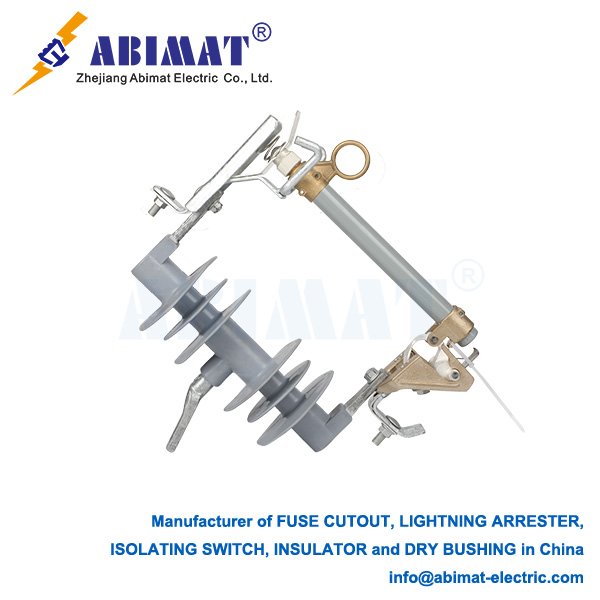
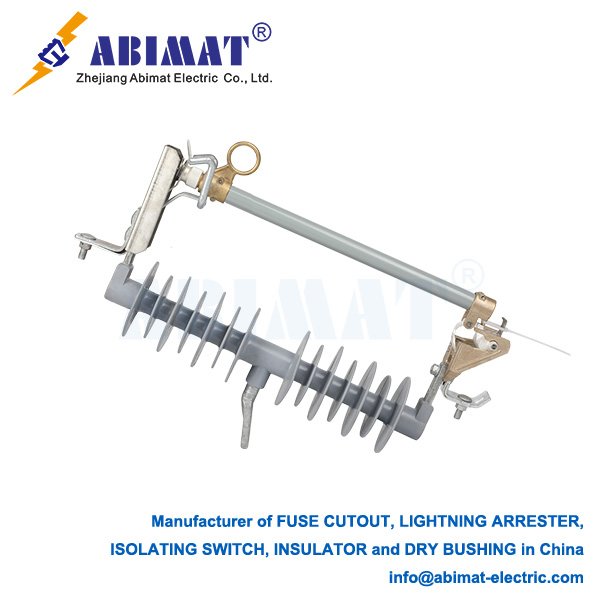
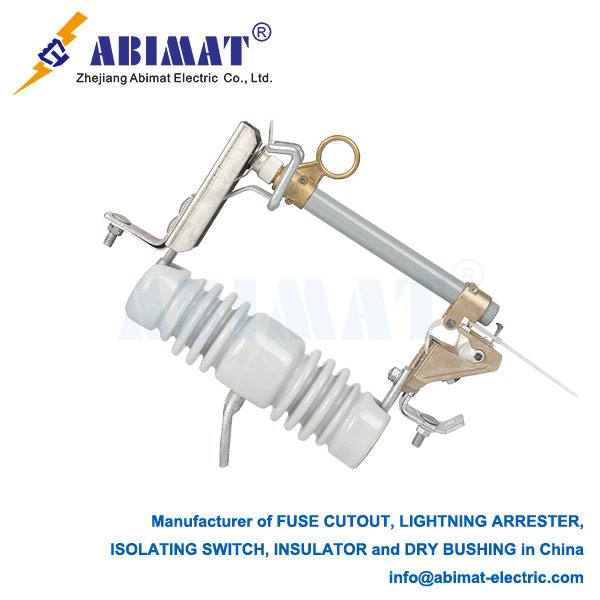
    The expulsion-type fuse is a basic and widely used protective device on 11kV overhead power distribution networks. It’s mounted on utility poles, and it works as a cheap, reliable tool to isolate faulty sections. This helps make the system more reliable and safer.​

    Core Parts and What It Does​

    This fuse has two main parts: the fuse holder (also called a cutout) and the fuse link. The holder has an insulator—made of porcelain or polymer—that gives support and keeps electricity separate. Its upper contact is usually a “jaw” or “clip” designed to hold the fuse carrier. The fuse carrier, often a fiberglass tube lined with material that puts out electric arcs (like polymer treated with boric acid), holds the fusible element.​The fusible element is a carefully measured wire or strip—it’s the heart of the device. Under normal load conditions, it carries the circuit current without any problem. But if there’s a long-lasting too much current or a short circuit, the element heats up and melts. When this happens, an electric arc starts.

    The Expulsion Action​

    The “expulsion” process is what makes the device work. The intense heat from the arc breaks down the tube’s lining. This creates a lot of gas. The high-pressure gas blasts along the tube. This action stretches the arc and cools it down—until the arc goes out at the first natural point where current stops. The whole thing takes just milliseconds. After the arc goes out, the fuse carrier—now free from the tension of the melted element—drops down. It pivots on its lower contact. This “drop-down” gives a clear, open-air break. You can see it easily, and it tells you the fuse has worked. It also isolates the faulty circuit.​

    Key Uses and Advantages​

    Mostly, these fuses protect three main things:​
    • Distribution Transformers: They shield transformers from internal faults and bad overloads.​
    • Feeder Branches: They isolate faults on side taps. This way, fewer areas lose power on the main line.​
    • Capacitor Banks: They protect these banks from too much current.​
    They have big advantages. You can easily see when they’ve worked—this is a clear sign. They’re simple to install and replace, too. And they’re a cheap way to protect against faults. The expulsion effect also limits current. This reduces the heat and magnetic pressure on the equipment downstream.

    Conclusion

    The abimat 11kV expulsion-type pole-mounted fuse is still a key part of overhead power distribution systems. It works in a simple, self-contained way. Plus, it shows clear signs when there’s a fault, and it doesn’t cost much. All these things mean it will keep being important for protecting electrical infrastructure.​
  • Lightning Arrester for 33kV Systems: An Essential Protection Device

    Lightning Arrester for 33kV Systems: An Essential Protection Device

    Lightning Arresters for 11kV Lines: Essential Protection for Distribution Networks

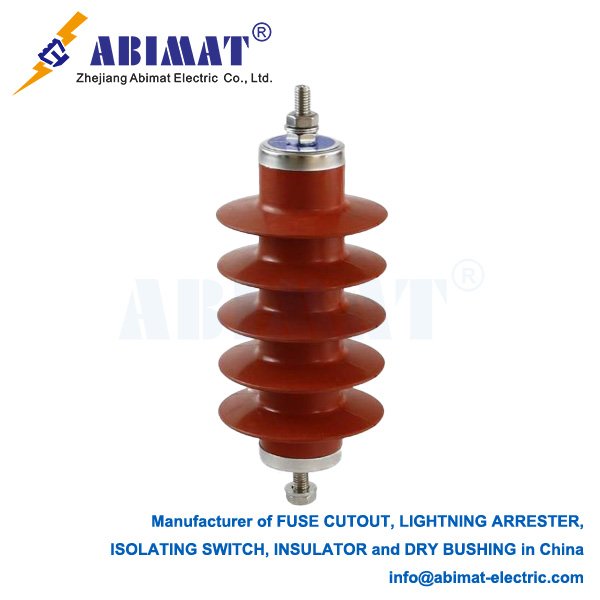
    Lightning arresters are key parts in electrical distribution systems. They protect 11kV lines and the equipment hooked up to them from harmful overvoltages—ones that come from lightning strikes and switching surges. Their main job is to send surge currents safely to the ground, and this helps keep the system working properly and reliably.

    Operating Principle

    When a lightning surge travels along the line, the arrester provides a low-resistance path to the ground. This keeps the voltage across the line’s insulation at a safe level. For 11kV lines, workers usually install arresters right next to line insulators. When an overvoltage happens, the arrester kicks in: it holds the voltage down to a safe protective level, which stops the insulator from having a flashover.

    Arrester Types for 11kV Applications

    The most common type for 11kV distribution lines is the Metal-Oxide Varistor (MOV) arrester—specifically the kind without series gaps. These arresters use zinc oxide (ZnO) blocks, and the blocks have a very non-linear relationship between voltage and current. You can describe this relationship with the formula I = kVⁿ.

    Gapless MOV arresters react quickly. They’re also good at limiting both lightning and switching overvoltages, making them a common, strong solution for 11kV systems.

    Arresters with series gaps are used on lines too. The gap keeps the ZnO blocks away from the voltage that runs through the line all the time, and this can help in some specific working situations.

    Key Selection Criteria

    Picking the right arrester means thinking about a few technical points. One is rated voltage (Ur)—it needs to fit the system’s 11kV voltage level. You also have to consider times when the voltage stays high for a short while, called temporary overvoltage conditions.

    Another point is continuous operating voltage (Uc). It should be higher than the highest phase-to-ground voltage you’d expect when the 11kV system runs normally.

    There’s also discharge voltage, or residual voltage. This is the voltage that shows up across the arrester when a surge is discharged. It has to be lower than the Basic Insulation Level (BIL) of the equipment it’s protecting—like transformers or cables. And there needs to be a safe gap, usually 15 to 25%.

    Energy absorption capability matters too. The arrester has to handle the energy from surges without getting damaged.

    Installation and Maintenance

    Installing them correctly is key to making them work well. You should put arresters in spots where lightning hits often, and also on equipment that’s easy to damage—like transformers.

    Important maintenance steps include checking the insulation resistance regularly. You also need to look at how discharge counters work, then write down the results. And make sure all mechanical connections are tight—plus, check that the arrester has no physical damage or dirt on it.

    Conclusion

    Abimat metal-oxide surge arresters—if you pick the right ones and maintain them properly—are key to making 11kV distribution networks reliable. They provide necessary protection against short-term overvoltages. They reduce how often lines have flashovers, cut down on power outage times, and make valuable electrical equipment last much longer.