Author: Zhou

  • Electrical Arresters: Guardians of the Power Grid

    Electrical Arresters: Guardians of the Power Grid

    Electrical Arresters: Guardians of the Power Grid

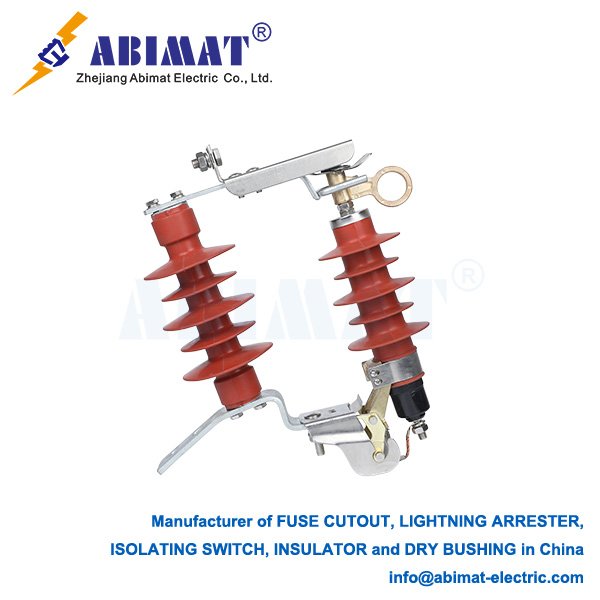
      Electrical arresters—people call them surge arresters more correctly—are important devices. They protect electrical equipment from harmful overvoltages. This equipment includes things like transformers, circuit breakers, and generators. These overvoltages, or surges, usually come from two sources. One is lightning hitting the power grid. The other is when people switch equipment on or off in the grid.

      You can picture a surge arrester like a smart pressure relief valve. It acts differently when the power system works normally. In normal conditions, it works as an insulator. It lets the regular system voltage pass through without any problem. But sometimes a dangerous voltage surge happens. This surge is way higher than the normal level. When that takes place, the arrester becomes a conductor right away. It gives the surge a path to the ground. This path doesn’t block the current much. It moves the big surge current away safely. It keeps the current from reaching the equipment it’s supposed to protect. Once the surge is gone, the arrester goes back to being an insulator by itself. This makes the circuit work normally again.
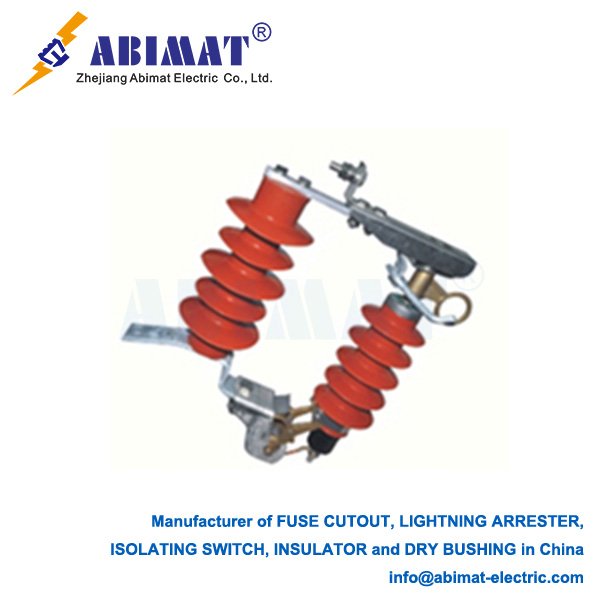
      A main part inside the arrester makes this smart switching happen. That part is a stack of Metal Oxide Varistors—people often say MOVs for short. MOVs are special semiconductors. They have a unique feature with voltage and current. Their behavior here isn’t steady. They change how much they block current based on the voltage put on them. This lets them switch between being an insulator and a conductor automatically. And they do this really quickly.

      Most arresters used now are the metal-oxide type. They’re good at handling energy. They also work reliably. You can find them all over the power system. They’re in substations. They’re on distribution poles. They’re even inside your home. The smaller ones there are often called surge protectors.

      In simple terms, the abimat surge arrester is like a quiet guardian. It watches the voltage all the time. When a destructive surge comes, it acts in milliseconds. It stops the surge from causing damage. This helps keep the expensive electrical infrastructure stable and safe. It also makes the infrastructure last longer.
  • Types of Fuse Cutouts

    Types of Fuse Cutouts

    Types of Fuse Cutouts

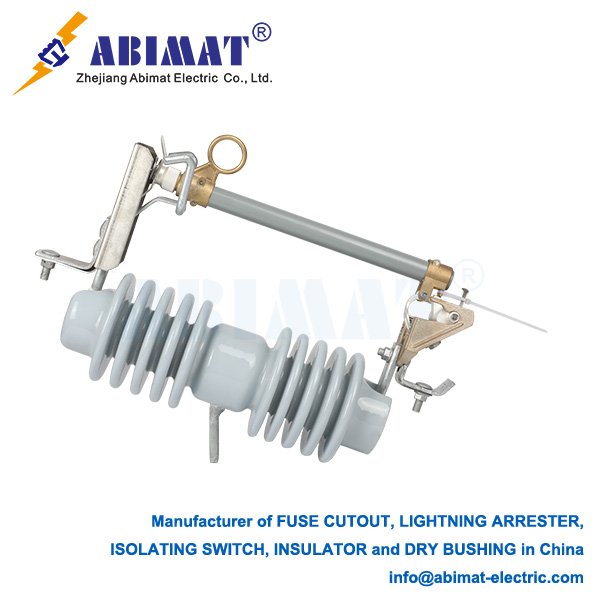
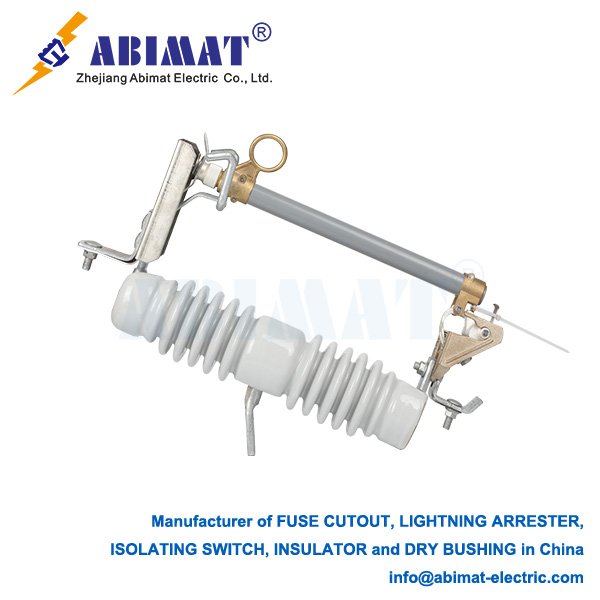
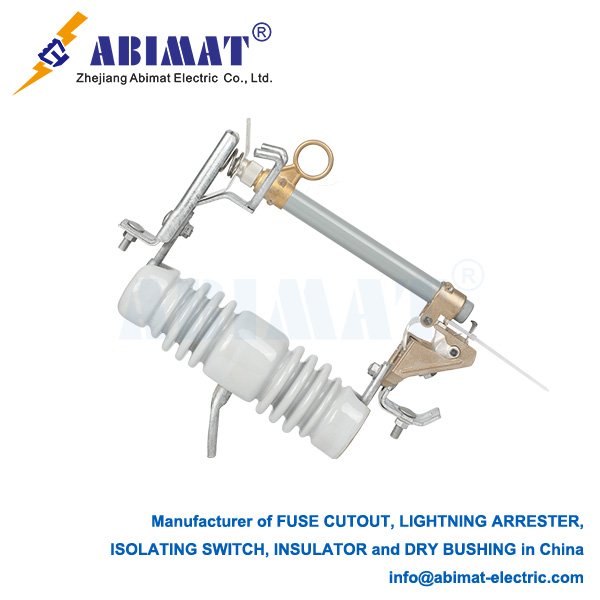
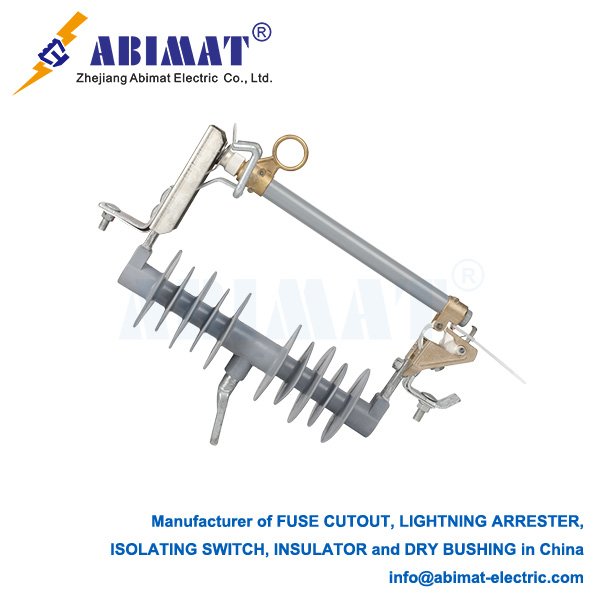
    A fuse cutout is an important protection device. It’s used in overhead electrical distribution systems. You’ll usually find it with transformers, capacitors, and line segments. This device has two main parts: a fuse link and a switching function. The switching function lets people operate it by hand. It also stops the circuit automatically when there’s too much current or a fault. There are two main kinds of fuse cutouts. They are different because they use different ways to stop the current.​

    The expulsion-type fuse cutout is the most common one. A fault happens sometimes. When that occurs, the fuse element—people also call it the link—inside the tube melts. The electric arc that forms next makes high-pressure gases. These gases come from the tube wall. The wall is lined with fiberglass or boric acid. The gases push hard out of the bottom of the tube. This action stretches the arc, cools it down, and removes its electrical charge. Doing this puts out the arc. When the fuse element melts, the fuse door falls open. This open door is easy to see. It tells people the device has worked and the circuit is separated.​

    This type has some clear traits. It makes a sound when it works—like a “bang”. You can see the gases coming out. And you can tell it’s open just by looking. It doesn’t cost much. It also works reliably for regular distribution uses.​

    Then there’s the abimat current-limiting fuse cutout. It’s used in some specific situations. These situations need a higher rating for stopping current. Or they need the fault to be fixed faster. For example, it protects transformers in areas where there’s a lot of fault current. The fuse link here is inside a sealed tube. The tube is filled with silica sand. A fault current can melt the fuse element. When that happens, the sand soaks up the heat. It also puts out the arc very quickly. This process limits the highest value of the fault current a lot. It does this before the current can reach its full strength.

    This type has its own traits too. It works without making a sound. No gases come out of it. And it stops the current very fast. It’s stronger than the expulsion-type. But it also costs more.

    To sum up, choosing between the two types depends on what the circuit needs. You have to think about a few things. Do you need a visible sign that it’s working? How much fault current is there? And how important is the equipment it’s protecting? Both types do a key job. They separate the parts of the circuit that have faults. This helps keep the whole power grid working reliably.

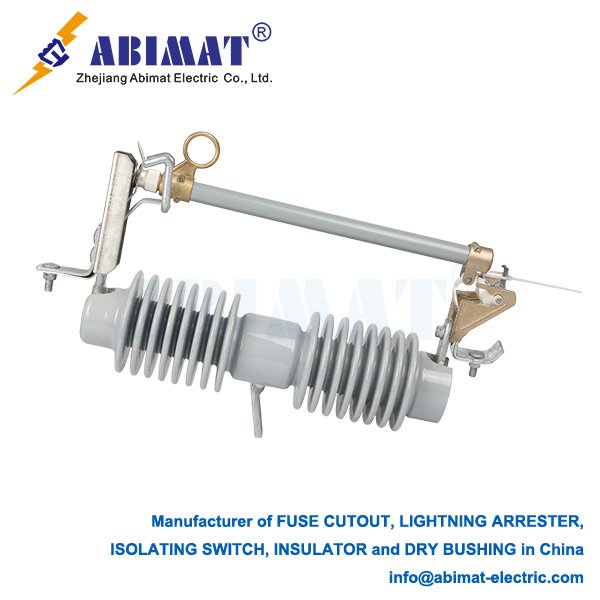
    15kV 300A DISCONNECT BLADE FUSE CUTOUT abimat electric
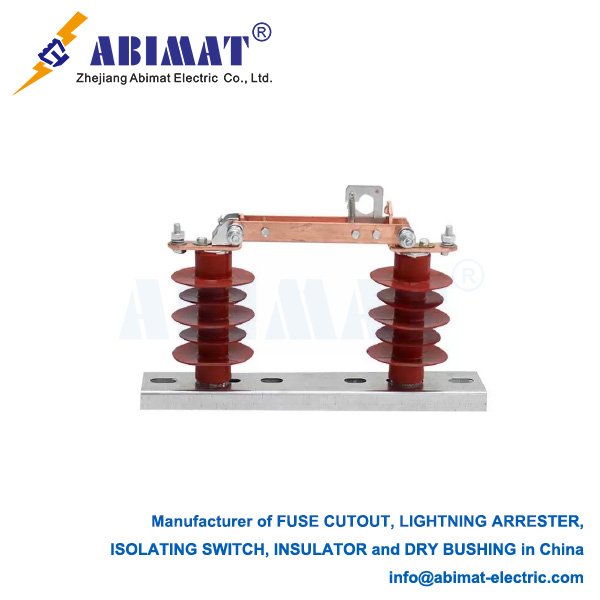
  • High Voltage Disconnect Switch

    High Voltage Disconnect Switch

    High Voltage Disconnect Switch

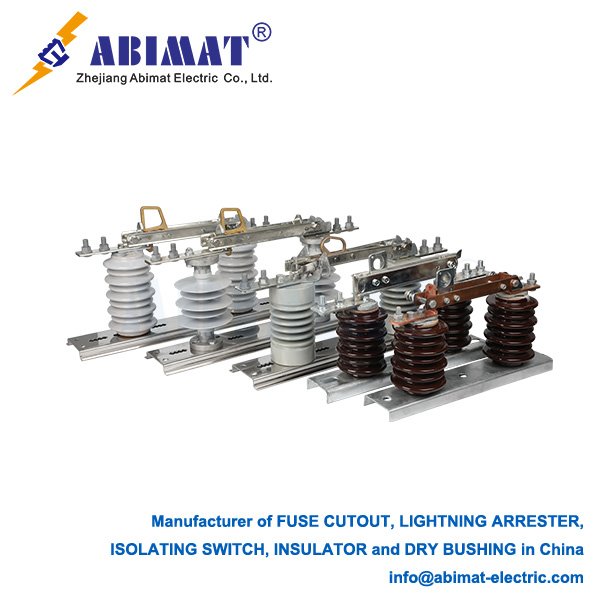
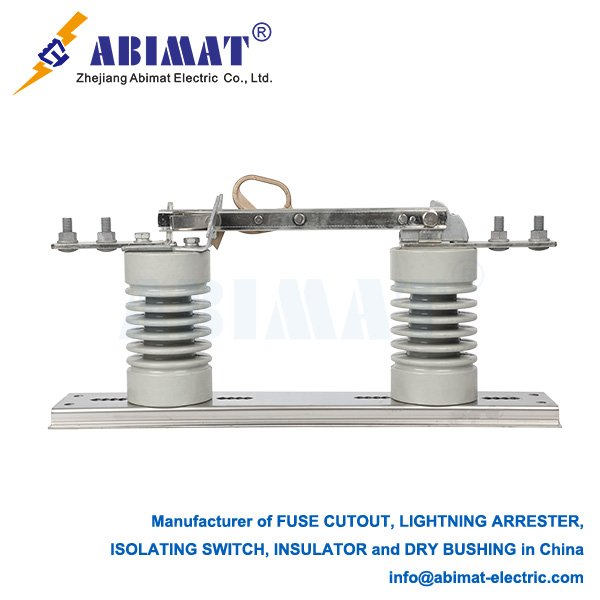
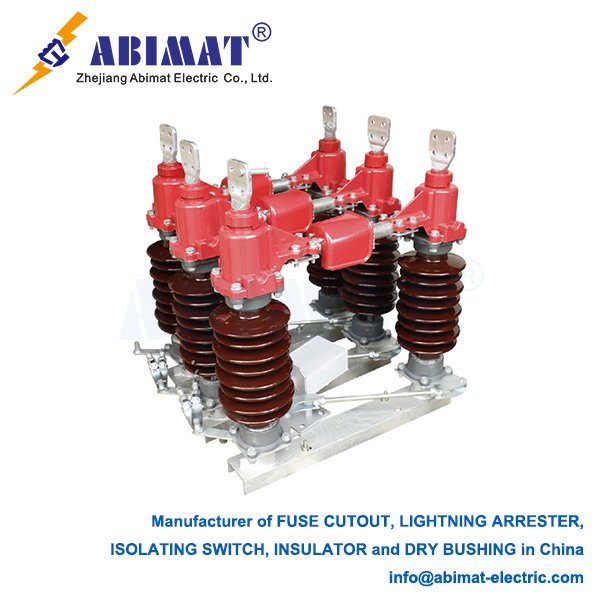
    A high voltage disconnect switch is an important part in systems that send and distribute electrical power. Its main job is to separate a circuit or equipment safely. This separation is needed to keep people safe when they do maintenance, repairs, or checks on the equipment. You need to know one key thing: this switch isn’t made to stop the current that’s carrying a load or the current from a fault. That job belongs to a circuit breaker. The disconnect switch only works after a circuit breaker has turned off the power to the circuit. This way, it opens or closes when there’s no load on it.​
    These switches are built to be very reliable. They have to handle different tough conditions from the environment. For example, they need to stand extreme hot or cold temperatures, strong winds, and ice. Their design has some important features. The parts that move, like the mechanical components, are often made of strong materials that don’t rust easily. Galvanized steel or aluminum alloys are common choices here. For the insulators—parts that stop electricity from leaking—porcelain or composite polymer is used. The blades of the switch, which help with switching, are usually coated with silver. This coating makes sure electricity flows through well and keeps the resistance at the contacts low.
    You can operate these switches in two main ways. One is manual: you use a rotary handle or a hot-stick to move it. The other is motorized, which lets you control it from far away. This motorized type is useful, especially in substations where no one is working on-site all the time. There’s a very important safety feature too. When the switch is open, there’s a clear gap of air between the contacts. This gap is easy to see. It tells people clearly that the circuit is separated and safe for them to work on.
    To sum up, the Abimat high voltage disconnect switch is a safety device you can’t do without. It makes sure high voltage equipment is physically separated from the power. This protects the people working on it and lets them do maintenance safely. And this safety is really important for keeping the whole power grid working well and reliably.
  • Porcelain Post Insulators: A Cornerstone of Electrical Infrastructure

    Porcelain Post Insulators: A Cornerstone of Electrical Infrastructure

    Ground Disconnect Switch: Essential for Electrical Safety

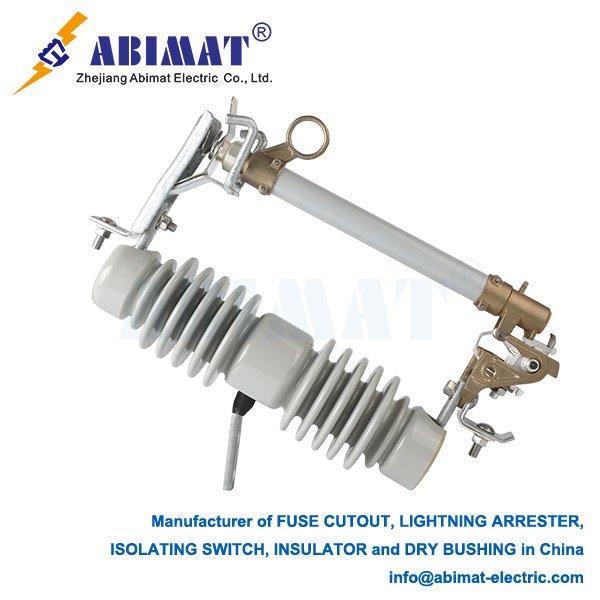
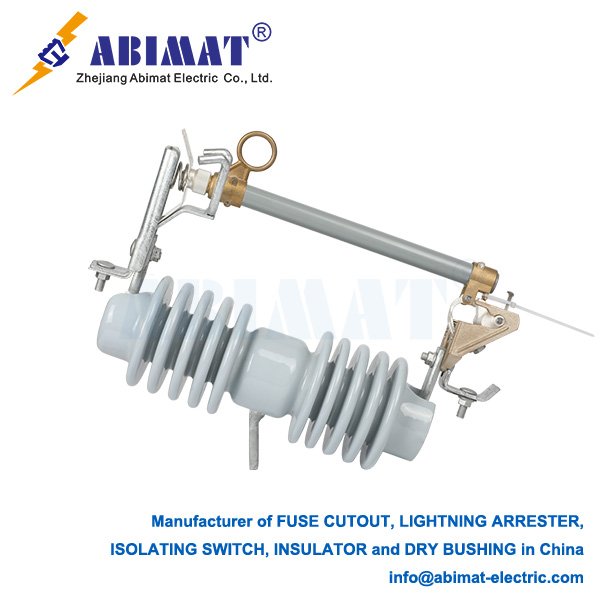
      A fuse cutout is a key device for overcurrent protection. It’s used a lot in electrical distribution systems. You see it most on overhead power lines. It has two parts in one: a fuse and a switch mechanism. It’s made to isolate faulted parts of the network. Things like transformers, capacitors or branches are these parts. This stops equipment from getting damaged. It also keeps the system working well.
      The fuse cutout has three main parts. The first is the fuse holder—people also call it a tube. It holds the fusible element. This element is often made of silver or copper alloy. The tube usually has materials inside that put out arcs. Boric acid or silica sand are common ones. These materials work when there’s a fault. The second part is an insulator. It can be porcelain or polymer. It holds the device tightly. It also keeps the live conductor away from the grounded support structure, electrically. The third part is the cutout body. It has contacts to hold the fuse holder firmly. It also has a pivoting part. This part lets the holder drop open when the fuse works. You can see it drop clearly.
      During normal use, current flows through the fusible element. But when there’s too much current or a short-circuit, things change. The element melts. This makes an arc. The filler in the tube puts out the arc. Then, either the pressure from this or a mechanical trigger works. It makes the fuse holder come loose. The holder falls open. This open part is easy to see. It does two things: it keeps the circuit isolated electrically. And it shows people clearly where the fault is.
      Fuse cutouts have important uses. They protect transformers a lot. You’ll find them on 10kV–35kV distribution lines. They guard pole-mounted transformers. They also help split the line into parts. They isolate faulted branches. This way, the main grid doesn’t have many power cuts. And they’re used in renewable energy systems. They keep solar or wind farm connections safe. These connections link to distribution networks.
      Fuse cutouts have good sides and bad sides. The good ones first: they don’t cost much. Their design is simple. They need very little upkeep. They show where the fault is clearly. This makes fixing problems faster. They work well in different environments. The bad ones: after they work, someone has to replace them by hand. Their timing isn’t as exact as digital relays.
      People have made new improvements lately. Most focus on making the breaking capacity better. For example, some can now handle 16kA interruption ratings. Others have smart indicators added. These indicators help find faults from far away.
      To sum up, Abimat fuse cutouts are still a key part of distribution system protection. They balance three things: simplicity, reliability and cost. They keep changing to meet grid updates. This includes adding more renewable energy and meeting smart grid needs.
      If you use them for specific jobs, always follow regional standards. IEC and IEEE are common ones. Also, follow the guidelines from the maker.
  • Porcelain Post Insulators: A Cornerstone of Electrical Infrastructure

    Porcelain Post Insulators: A Cornerstone of Electrical Infrastructure

    Ground Disconnect Switch: Essential for Electrical Safety

      A Ground Disconnect Switch (GDS)—people also call it an Earthing Switch—is an important safety device in electrical systems. Its main job is to connect de-energized circuits to the ground securely. This keeps things safe during maintenance, repair or emergency work. It stops the circuits from getting energized by accident. It also protects workers from electric shock.
      Safety assurance is one of its key roles. It gives a visible ground connection. This connection makes sure isolated circuits stay at ground potential. It also helps with emergency protection. It works together with disconnectors. They quickly de-energize faulty sections and connect them to the ground. This lowers risks for people who handle emergencies. And it’s great for maintenance safety. It lets workers get close safely. It makes sure there’s no leftover voltage on the lines or equipment.
      Ground disconnect switches are built to be tough. They can handle strong fault currents. They also work well in harsh environments—like very hot or cold temperatures, high humidity and polluted areas. They often have mechanical interlocks with related disconnect switches. This interlock makes sure the disconnector opens first. Only then does the earthing switch close. This stops people from using the switches in a dangerous wrong way. You can operate them in two main ways. One is manual—using hand-operated parts. The other is motorized, which lets you control them from far away.
      These switches are a must-have in many places. You’ll find them in high-voltage substations and power distribution networks. They’re also used in industrial plants and commercial facilities. And they’re in renewable energy setups, like solar farms. These places need rapid shutdown systems—for example, as per NFPA 70 in the U.S.—to isolate DC sources.
      Their design, construction and use must follow strict standards. These standards are from international and regional bodies. Some examples are IEC, IEEE, ANSI/NEMA and GB standards. Following these standards makes sure the switches are reliable and safe to use. This is true when they’re used under the defined service conditions.
      To sum up, the Abimat ground disconnect switch is a basic part for electrical safety. Its tough design and fail-safe operation are very important. They help create a safe work environment. They also make sure electrical infrastructure and workers are protected overall.
  • Line Post Insulators: Essential Components in Power Transmission

    Line Post Insulators: Essential Components in Power Transmission

    Line Post Insulators: Essential Components in Power Transmission

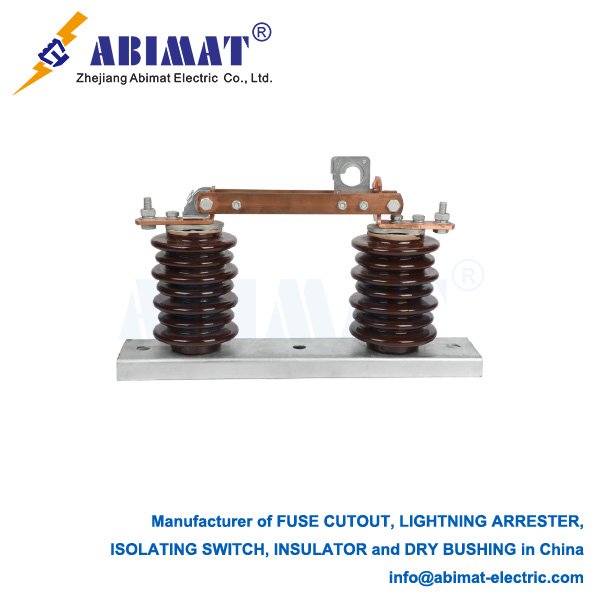
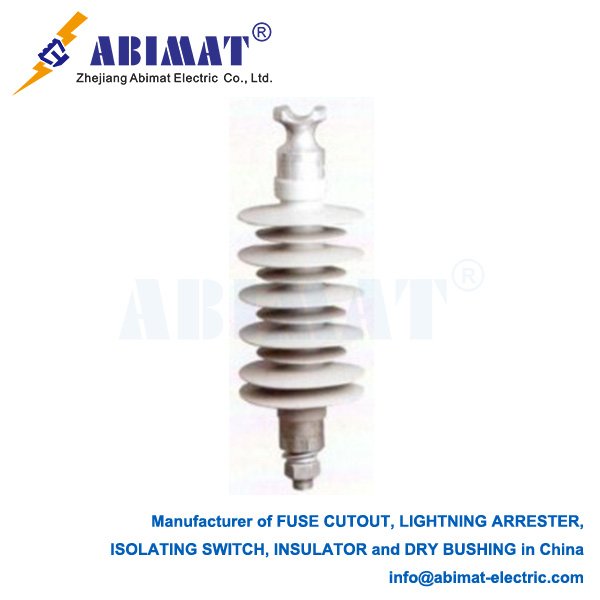
      Porcelain post insulators are key parts in high-voltage electrical systems. They do three important jobs: support, isolate and protect live conductors. Their main role is to hold busbars, disconnect switches and other equipment tightly. At the same time, they make sure electricity is well insulated. That stops current from flowing to the grounded structure.​
      These insulators are made from high-quality electrical porcelain. This material is mostly made of kaolin, quartz and feldspar. People know these insulators for three big strengths. They have great compressive strength, good dielectric properties and last a really long time. The material gets fired at super high temperatures. This makes it dense and non-porous. It also gives the material strong mechanical integrity. And it helps the material stand up to bad environmental conditions—like UV radiation, temperature changes and pollution.
      A post insulator’s design usually has ribbed or corrugated sheds. This design isn’t random. It makes the creepage distance much longer. Creepage distance is the path along the surface between the metal end parts. A longer creepage distance stops flashover. It does this by blocking the formation of a continuous conductive path. This is really important in places with high humidity, rain or industrial pollution. The metal end parts—they’re often galvanized steel or aluminum—are firmly glued to the porcelain body. They give a strong connection point for putting the insulator together and linking it to other parts.
      You can find these insulators almost everywhere in electrical substations and power generating stations. They’re used in switchgear. They work as bus supports too. And they’re used in different kinds of equipment. They have big advantages over some other materials, like polymers. They’re better at resisting tracking and erosion. They stay stable when under mechanical load. And they last a long time without needing much maintenance.
      To sum up, abimat porcelain post insulators are still a basic and reliable choice for power transmission and distribution. They balance two things well: great electrical insulation and the mechanical strength needed. That strength makes sure the power system works safely and continuously.
  • Distribution Lightning Arresters: Essential Protection for Power Systems

    Distribution Lightning Arresters: Essential Protection for Power Systems

    Distribution Lightning Arresters: Essential Protection for Power Systems

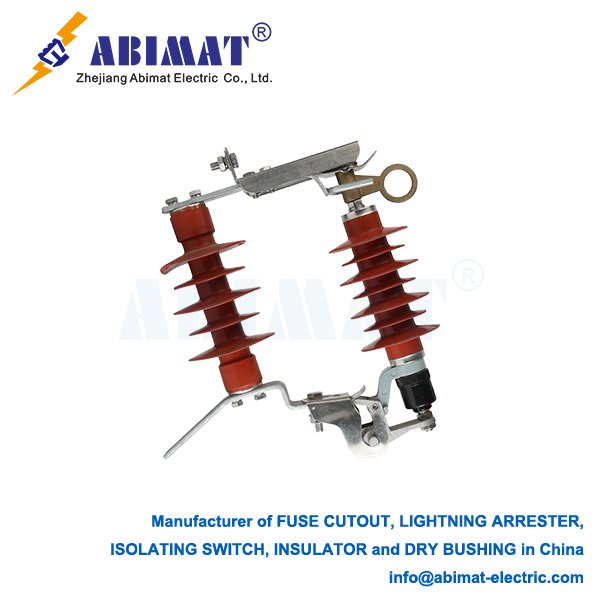
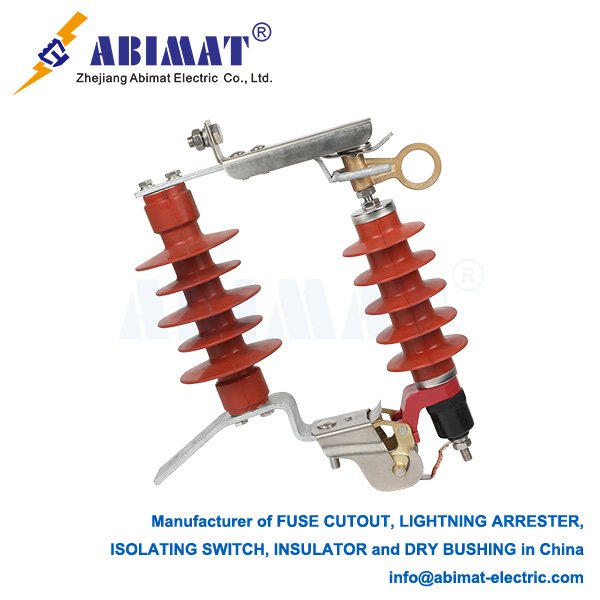
      A distribution lightning arrester—people also call it a surge arrester—is an important protective device. It gets installed on electrical distribution networks. You usually find it on poles or substations. Its main job is to protect expensive equipment. Things like transformers, switchgear and insulators are the ones it safeguards. It does this by sending dangerous high-voltage transients to the ground. Most of these transients come from lightning strikes.
      If these transients aren’t stopped, they can cause big problems. They may make the insulation fail badly. That leads to equipment damage. It also causes power outages. And it makes the system less reliable. The arrester works like a highly nonlinear resistor. When the voltage is normal for operation, it has very high resistance. It acts like an open circuit then. It only draws a little leakage current. But when a lightning-induced or switching overvoltage goes over a certain threshold, things change. Its resistance drops a lot in just nanoseconds. That creates a low-impedance path to the earth. The surge current gets channeled away safely—far from the protected equipment. Once the transient is gone, the arrester resets itself. It goes back to its high-impedance state automatically. Then the system can work normally again.
      Modern distribution arresters mostly use metal oxide varistors (MOVs). These MOVs are their core part. A block of zinc oxide grains gives the arrester this great nonlinear voltage-current characteristic. It works better than the old gap-type technologies. There are main types of these arresters. They are station class, intermediate class and distribution class. The distribution class is the most common on overhead lines. It’s designed for the specific tasks and insulation levels of distribution systems.
      To sum up, the Abimat distribution lightning arrester is a device you can’t do without. It’s also very efficient. It makes sure the electrical distribution infrastructure is safe. It keeps the infrastructure working continuously. And it helps the infrastructure last longer. It can reduce overvoltages right away. That’s why it’s a key part of modern power system protection.
  • Overhead Fuse Cutout: A Critical Component in Distribution Systems

    Overhead Fuse Cutout: A Critical Component in Distribution Systems

    Overhead Fuse Cutout: A Critical Component in Distribution Systems

      An overhead fuse cutout is a key protective device. It’s widely used in electrical distribution networks, and it usually works for voltages up to 38 kV. Its main job is to safely stop fault currents. This way, it isolates the faulty part of the circuit and keeps the rest of the system working. It also acts as an important protection for distribution transformers, capacitors, and feeders.

      A standard cutout has three main parts. These are a waterproof insulating holder (you can also call it the body), a fuse carrier, and the fuse element. The holder is often made of porcelain or polymer. It gives both insulation and mechanical support. The fuse carrier holds the fusible element. It’s made to pivot and drop down clearly when the fuse works. This “drop-out” feature lets people see there’s a fault clearly. It helps line crews find the problem fast.

      It works in a simple way, but it’s very effective. When the load is normal, current flows through the fuse element without stopping. If there’s a steady overcurrent or a short-circuit, the fusible link melts. It also creates an arc. The cutout is made to put out this arc well. It usually uses de-ionizing filler material inside the fuse tube. When the arc is put out and the circuit is broken, the fuse carrier lets go. It drops open too, and this gives full isolation.

      The fuse cutout has key benefits. These are its simplicity, reliability, and low cost. It doesn’t need an external power source to work. That makes it a fully passive and fail-safe device. It shows problems visually, and this makes finding faults and fixing the system faster.

      To sum up, Abimat the overhead fuse cutout is still a basic and reliable device. It’s used for overcurrent protection in overhead distribution lines. Its tested design works well to balance important needs. These needs are safety, system reliability, and operational efficiency.

  • Distribution Disconnect Switches: What They Do and Where They’re Used

    Distribution Disconnect Switches: What They Do and Where They’re Used

    Distribution Disconnect Switches: What They Do and Where They’re Used

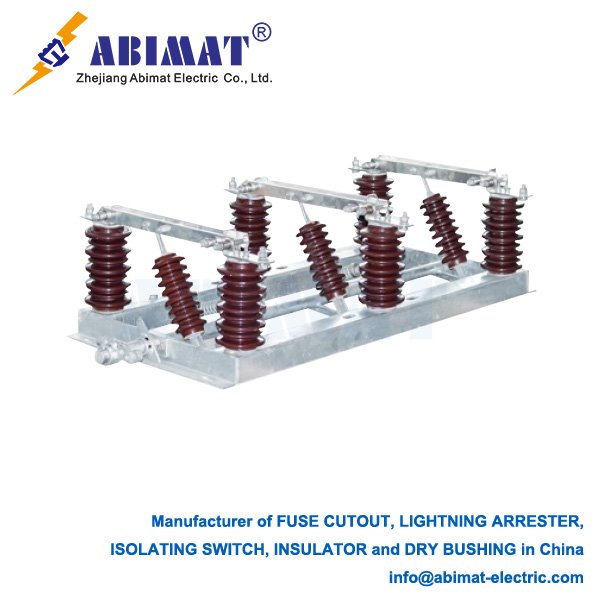
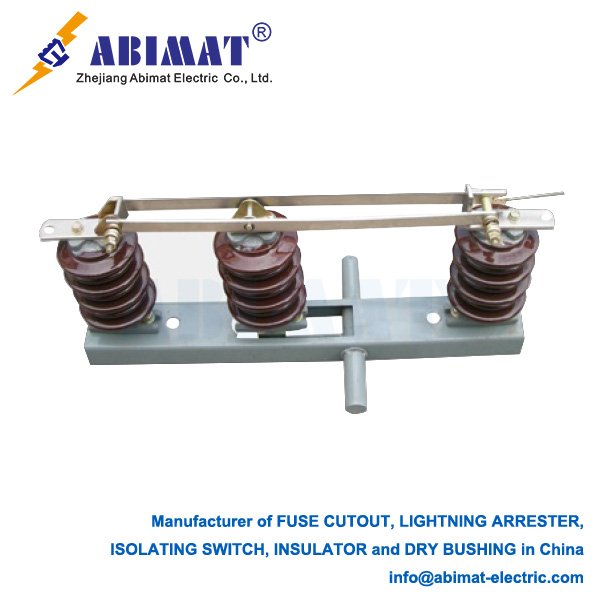
    A distribution disconnect switch is a basic mechanical switching device. It’s used in electrical power distribution systems—usually at the substation and feeder level. Its main job is to give a safe, reliable, and easy-to-see way to isolate part of a circuit. This isolation is for maintenance, repair, or rerouting power. It’s important to remember: these switches aren’t made to stop load current or fault current. They only work on circuits that are already turned off by an upstream protective device, like a circuit breaker.


    The main design feature of a disconnect switch is the visible air gap between its contacts when it’s in the “open” position. This visible break is a key safety step. It lets workers know the isolated part of the circuit is de-energized, so they can follow lockout/tagout (LOTO) rules. These switches are built to handle high continuous current. They also have strong mechanical endurance to stand up to environmental stress.

    Some common kinds of these switches exist. Air Break Switches are the most common—they open contacts in regular air. Group-Operated Switches are mechanically linked; they work all three phases at the same time. Load-Breaking Switches are a special type. They have arcing horns or chambers that let them stop small load currents, but they never stop fault currents.


    Distribution disconnect switches are put in key spots in the network. For example, they isolate transformers, capacitor banks, or transmission lines. They’re also at the start of distribution feeders to section off parts of the system. Sometimes they’re used to bypass substation equipment.


    You can only operate these switches when you’re sure the circuit is de-energized. Trying to open a switch while it’s carrying a load creates a dangerous arc. This arc can damage equipment and cause serious safety risks. So, safe operation of the Abimat disconnect switch always depends on working with upstream devices that stop current. You must follow IEEE and IEC standards too. These standards cover how the switches are designed, tested, and used—they make sure the system is safe and reliable.

  • Insulator Line Post: Structure, Function, and Application

    Insulator Line Post: Structure, Function, and Application

    Insulator Line Post: Structure, Function, and Application

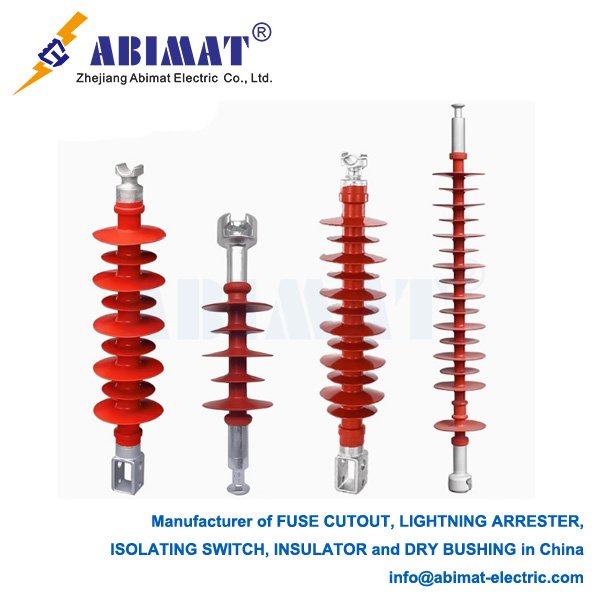
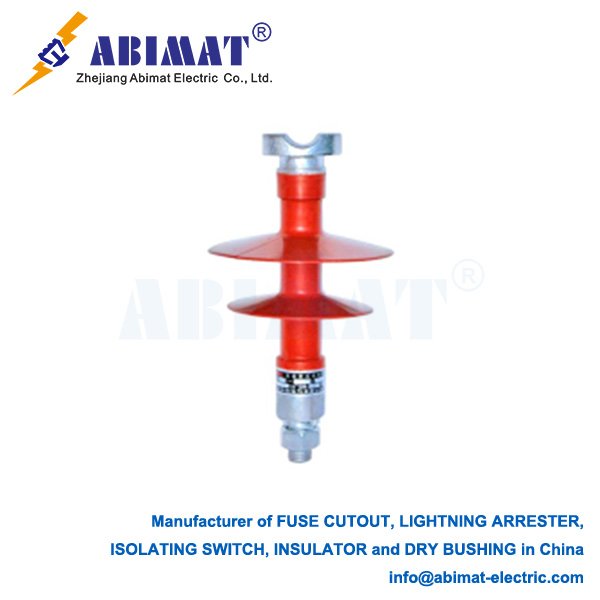
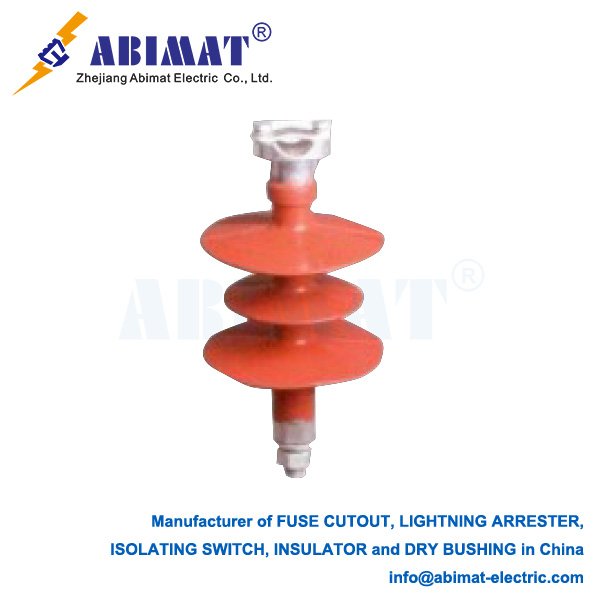
      An insulator line post is a stiff, self-supporting insulator. It’s mainly used in medium-voltage overhead distribution systems. It has two key jobs. One is to hold current-carrying conductors in place mechanically. The other is to keep electrical insulation between the live line and the grounded support structure—like a crossarm or pole bracket.​
      It’s different from a string of suspension insulators. A line post is a single, solid piece. It needs to handle two things. First, bending forces from conductor weight, wind, and ice loads. Second, electrical pressure from the system’s operating voltage and sudden high voltages. Its structure usually has a strong core. The core is often made of fiberglass. This core is sealed and covered by an outer weathershed. The weathershed can be made of polymer—like silicone or EPDM rubber—or porcelain.​
    The polymer cover has sheds. These are ribs or bumps sticking out. They make the creepage distance longer. Creepage distance is the path along the insulator’s surface. It goes from the live end to the grounded end. A longer creepage distance works better in dirty, damp, or salty places. It stops a continuous conductive path from forming. That path could cause a flashover.
      Insulator line posts have some big advantages. They have a compact design. This means they need less space than a similar suspension insulator string. So they’re great for places where space is tight. They also have integrated functionality. They can work as both an insulator and a structural support. Sometimes, this means you don’t need a separate crossarm. They have high mechanical strength too. Their strong build gives them good cantilever strength. This lets them hold conductors and equipment. And polymer ones are lightweight. They’re easier to handle and install than porcelain ones.
      People use them in many common ways. They use them as line support insulators. These insulators hold conductors directly on distribution poles. They also use them as bus supports. These insulators insulate and hold buswork in substations. They even use them as mounting platforms. These platforms act as a base to attach other equipment. Things like cutouts, arresters, or cable terminations can be attached here.
      In short, the AbImate insulator line post is a useful, strong, and space-saving part. It’s essential for keeping modern overhead distribution infrastructure mechanically and electrically sound.