Author: Zhou

  • Porcelain Cut-Out Fuses: Protecting Overhead Power Distribution Circuits

    Porcelain Cut-Out Fuses: Protecting Overhead Power Distribution Circuits

    Porcelain Cut-Out Fuses: Protecting Overhead Power Distribution Circuits

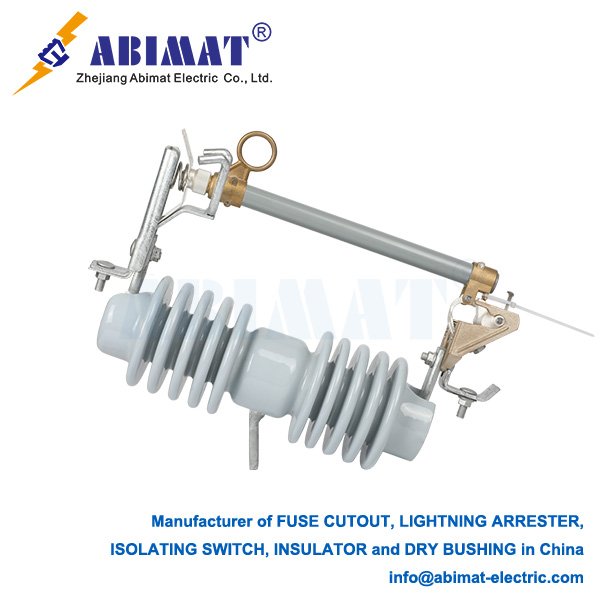
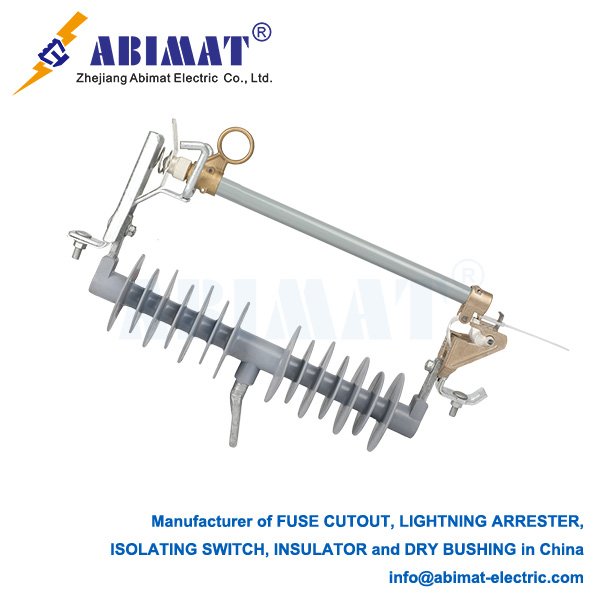
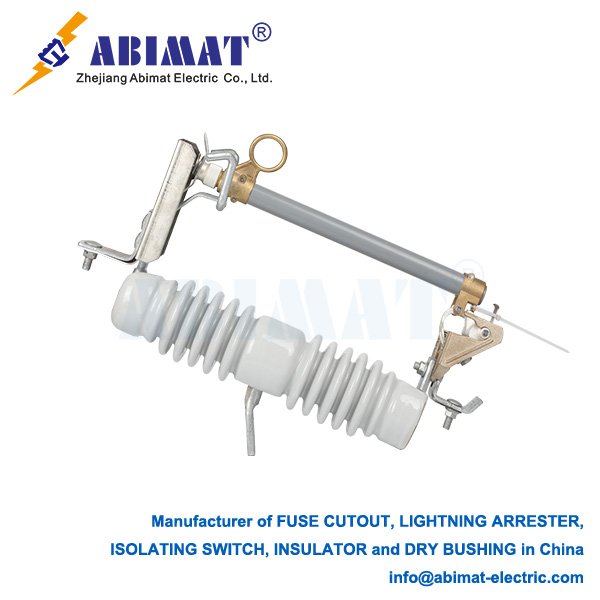
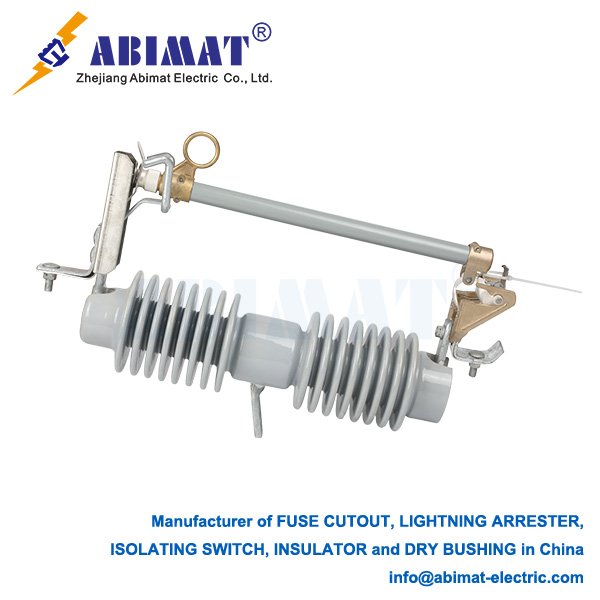
      A porcelain cut-out fuse is a common device used to protect against too much current. It’s mostly used on overhead electrical distribution systems. It works as a fuse that can also disconnect power, and it has two important jobs. One is to safely stop fault currents. The other is to let people see that a part of the system is isolated—this is for maintenance work. You’ll usually find it protecting things like distribution transformers, taps, and laterals.


      This fuse has a strong design. It uses a tough porcelain insulator. This insulator does a few things well: it handles electricity safely, supports the fuse mechanically, and doesn’t get damaged easily by the environment. The fuse’s outer case has a hinge-on fuse carrier—some people call it a “door”—and a base with electrical contacts. Inside, there’s a fuse element you can replace. It’s often a copper fuse link covered in tin. This element sits inside a tube made of fiberglass or phenolic material, and this tube can’t be reused. The tube’s inside is lined with a material that puts out electric arcs, like boric acid or something made from cellulose.
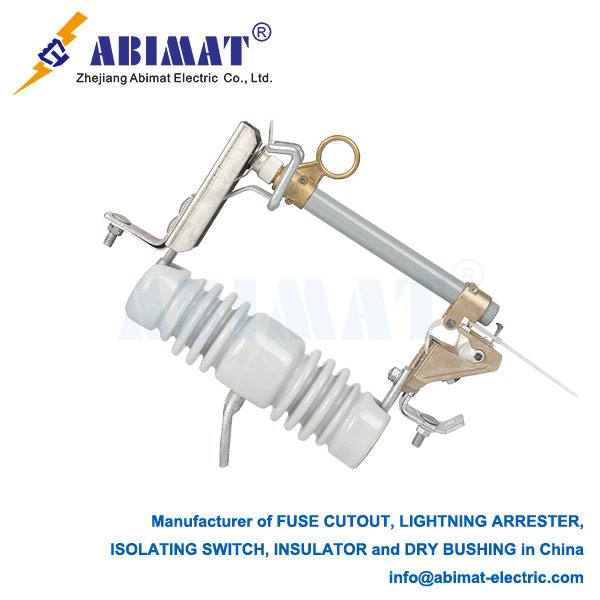
    Under normal conditions, current flows through the fuse link without stopping. But if there’s too much current for a long time, or a short-circuit happens, the fuse link melts. This link is calibrated precisely, so it melts at the right time. When it melts, an electric arc starts. The arc is very hot, and that heat turns the tube’s lining into vapor. This vapor becomes high-pressure gas. The gas is pushed out along the length of the tube. This action stretches the arc, cools it down, and removes its electrical charge. The arc keeps going until it hits a natural point where the current drops to zero—then it goes out.


    After the fuse works like this, the pressure inside makes the fuse carrier move. It either pivots or drops open. This movement is easy to see, so people know the fuse has blown. It also creates a physical gap of air. This gap is a key safety feature. It helps linemen follow lockout/tagout (LOTO) rules to keep themselves safe.


    Abimat porcelain cut-out fuses are still a main part of protecting power distribution systems. That’s because they’re simple, reliable, durable, and don’t cost much. They work only with electricity and mechanics—no need for external power to control them. This makes them a fail-safe option. Modern electronic reclosers can control things in more advanced ways, but porcelain cut-out fuses are still valued. They have one clear job, and they’ve proven they can do it well. Standards like IEEE C37.40-40 set rules for how these fuses are designed and tested to make sure they work safely and reliably.
  • Distribution Arrester: Essential Protection for Electrical Networks

    Distribution Arrester: Essential Protection for Electrical Networks

    Disconnector Types in Electrical Systems

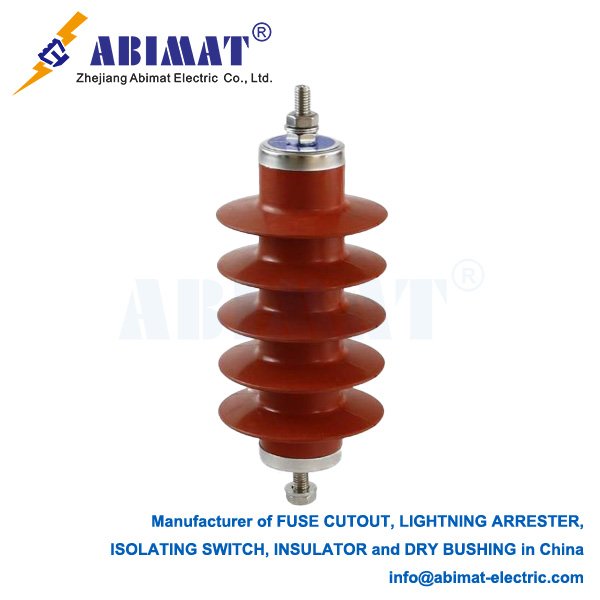
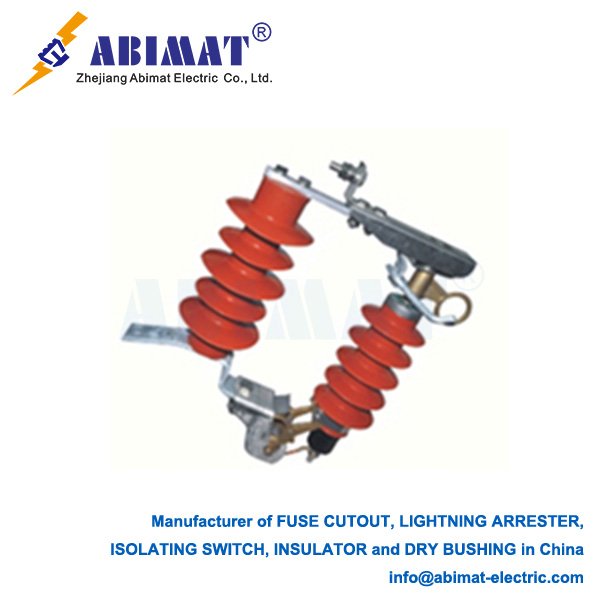
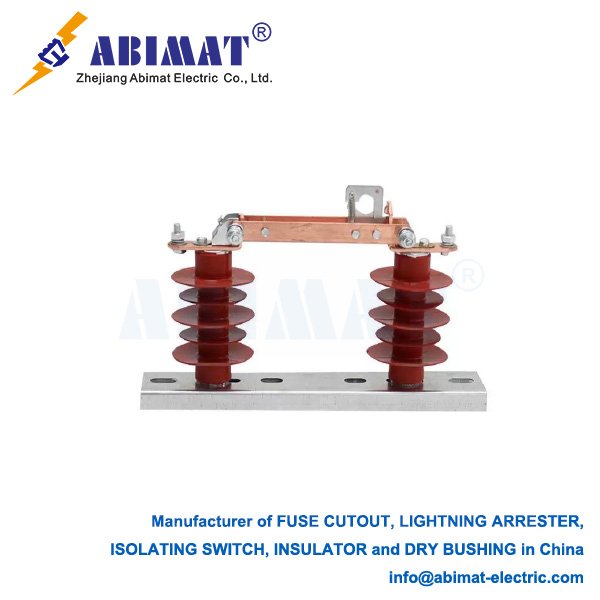
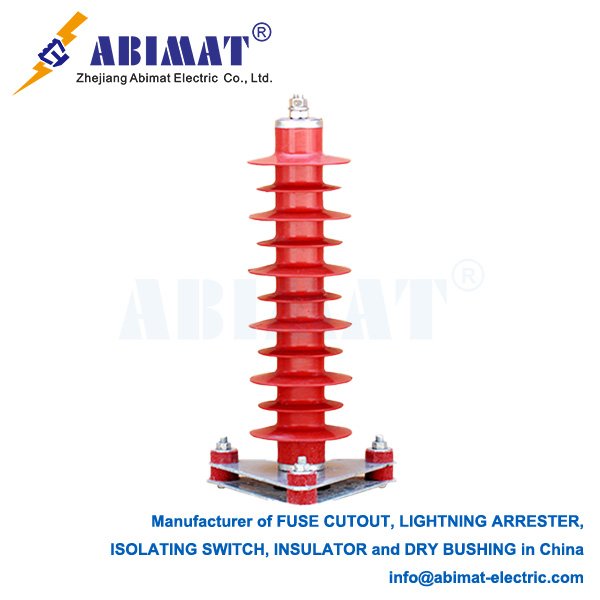
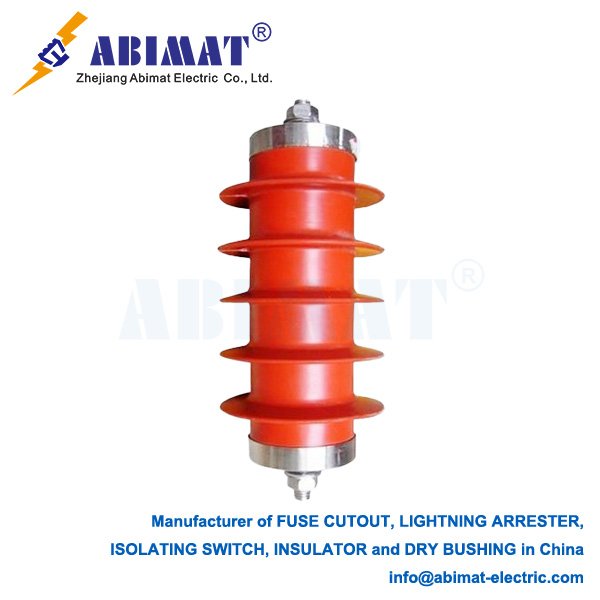
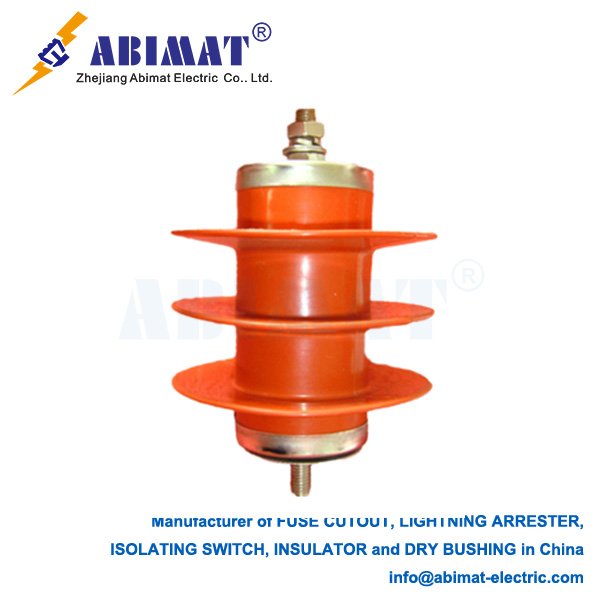
      A distribution arrester—also called a surge arrester—is an important protective tool in electrical distribution systems. It keeps equipment safe from sudden high voltages. These high voltages can come from lightning strikes, switch operations or other fault issues. The arrester sends dangerous surge electricity safely to the ground. This helps the system work reliably and stops damage to transformers, switchgear and other key parts.​
      The main part of a modern metal-oxide distribution arrester is usually zinc-oxide (ZnO) varistor blocks. These blocks have very uneven voltage-electricity traits. When the system works normally, they have high resistance. This lets only very little leaking electricity pass through. But when a sudden high voltage goes over the arrester’s limit, the varistors quickly turn to a low-resistance state. They make a path to send the surge energy to the ground. After sending the surge away, they automatically go back to the high-resistance state. Polymer cover designs are common for outdoor use. They have benefits like being light, not exploding easily and handling dirt well.
      Some key things show how a distribution arrester works. Rated Voltage is the highest RMS voltage the arrester can handle non-stop. Nominal Discharge Current (In) is a standard electricity pulse—like an 8/20 µs waveform. People use it to group arresters by their discharge ability. Maximum Discharge Current (Imax) is the highest current the arrester can take without getting damaged. Voltage Protection Level (Up) is the highest leftover voltage across the arrester’s ends when it discharges a certain current. This voltage must be lower than the insulation limit of the equipment it protects.
      People put distribution arresters in many places in the network. They can be on overhead power lines, near transformers or at substations. Picking the right arrester type and putting it in the correct place is key for good protection. It makes sure high voltages stay below the Basic Insulation Level (BIL) of the equipment. The arrester’s strong design needs little maintenance. It is a cheap way to protect electrical infrastructure. It makes the system more stable and stops  expensive downtime.
      In short, the Abimat distribution arrester is a must-have tool. It keeps electrical distribution networks healthy and reliable by stopping harmful voltage surges.
  • Overhead Fuse Cutouts

    Overhead Fuse Cutouts

    Overhead Fuse Cutouts

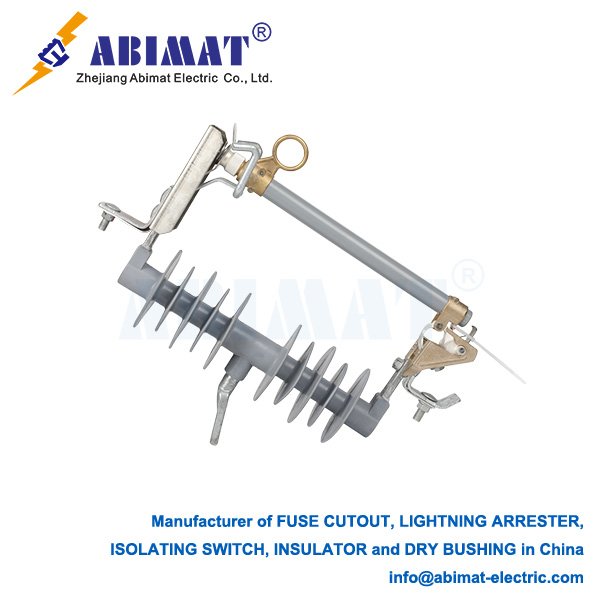
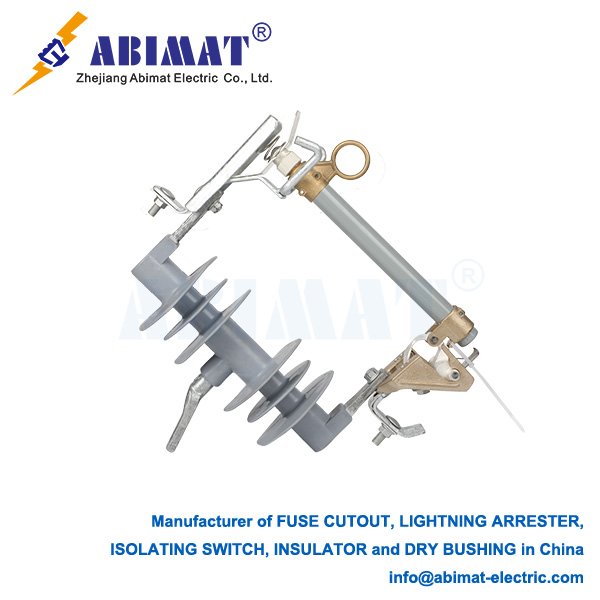
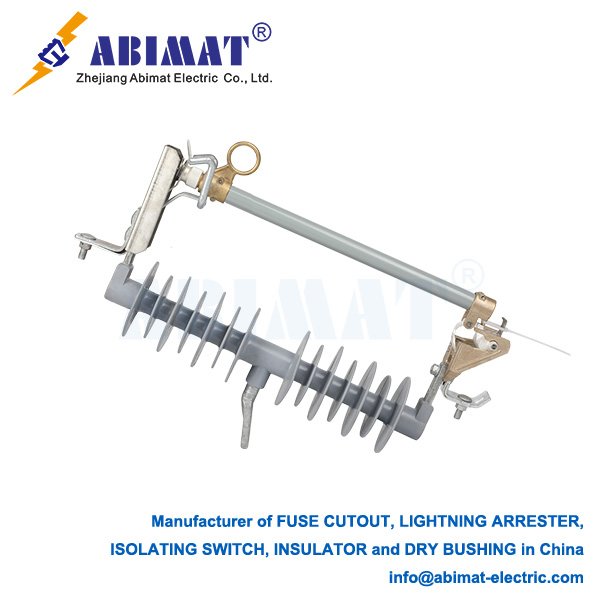
    An overhead fuse cutout is an important protective device. It’s used a lot in electrical distribution systems—most often on overhead lines, for voltages up to 38kV. Its main jobs are two things: it stops fault currents, and it gives a clear visual way to isolate equipment. That equipment can be transformers, capacitors, or parts of feeder lines.
    A standard fuse cutout has three main parts.
    • The Body (or Housing): This is the outer part. It’s made of strong, weather-resistant material—either insulating polymer or porcelain. It does two key jobs: it holds up the parts that carry current, and it contains the arc when the fuse interrupts the circuit.
    • The Fuse Holder: This part moves. People often call it the “fuse tube” or “door.” It holds the fuse link. It’s hinged at the bottom, and it’s made to swing and drop down when it works.
    • The Fuse Link: This is a small part inside the fuse holder. It’s made to melt and split apart when there’s too much current, and it’s calibrated precisely to do that.
    The cutout works on the “expulsion fuse” principle. When the circuit is running normally, current flows through the fuse link without stopping. But if there’s a steady overcurrent or a short-circuit fault, something changes. The fusible part inside the link melts. That melting creates an electric arc. The heat from this arc breaks down a fiberglass liner inside the fuse tube. This breakdown makes de-ionizing gases—lots of them, and fast. These gases push out quickly, and that action puts out the arc for good. It also stops the current from flowing.
    When the link melts, it loses its mechanical tension. That tension loss makes the fuse holder release. After releasing, the holder swings down. It hangs straight down from its hinge. This is a clear, easy-to-see sign. That’s why people also call this device a “fuse drop-out”—the drop shows it’s worked, and the circuit is open. This visual cue matters a lot. It helps line crews find the faulty part of the circuit fast.
    Abimat fuse cutouts have three main traits that define them: how much current they can interrupt, their voltage rating, and their speed (like fast or slow). They’re a good first line of defense for a few reasons: they don’t cost much, they’re reliable, and you can replace them right in the field. They isolate faults so expensive equipment—like transformers—doesn’t get damaged. They also keep the bigger distribution network stable. One thing you can’t skip: coordinating the fuse ratings correctly. This is key for “selective operation”—it makes sure only the faulty part of the circuit gets disconnected, not the whole thing.
  • Disconnector Types in Electrical Systems

    Disconnector Types in Electrical Systems

    Disconnector Types in Electrical Systems

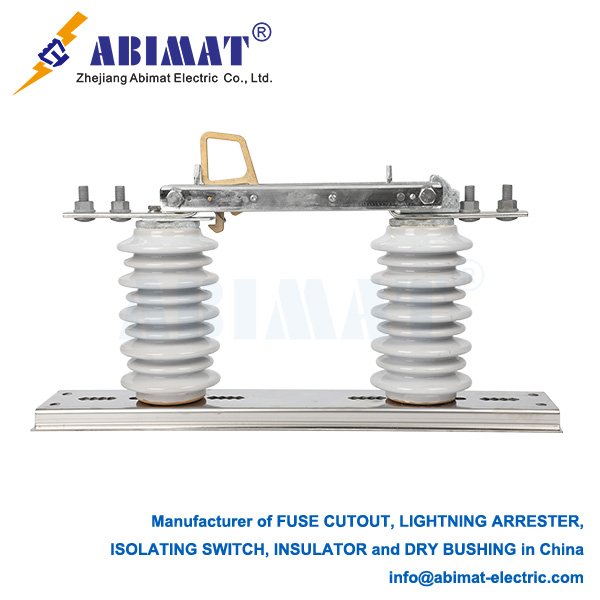
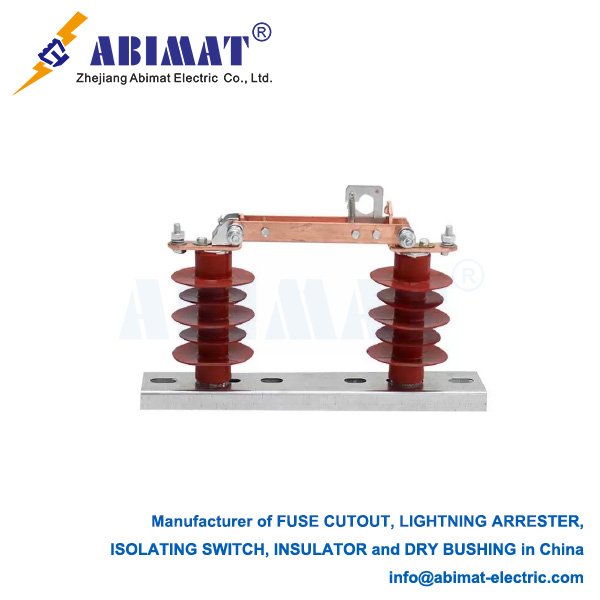
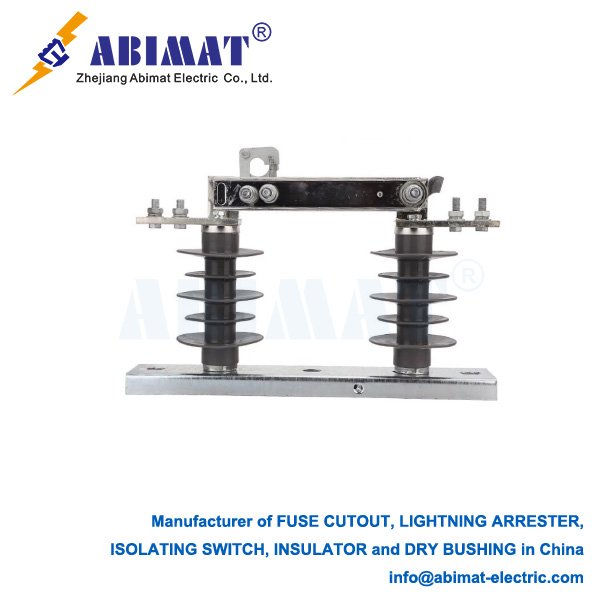
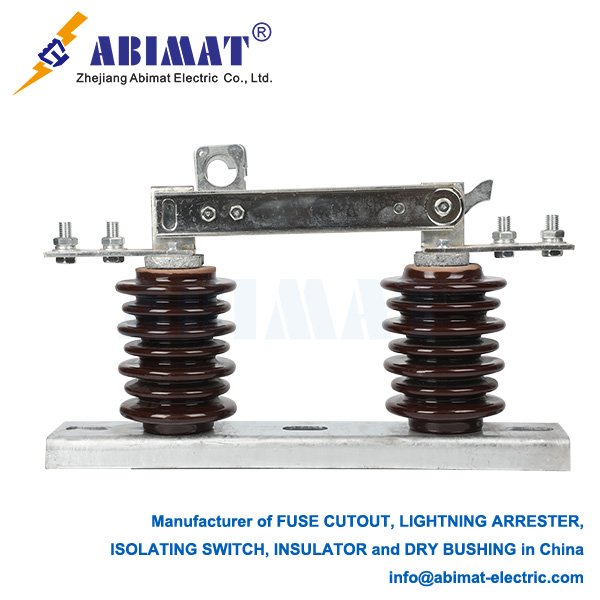
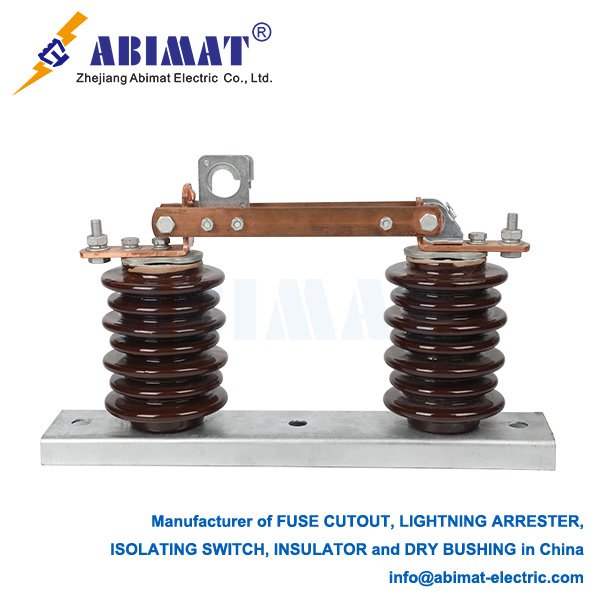
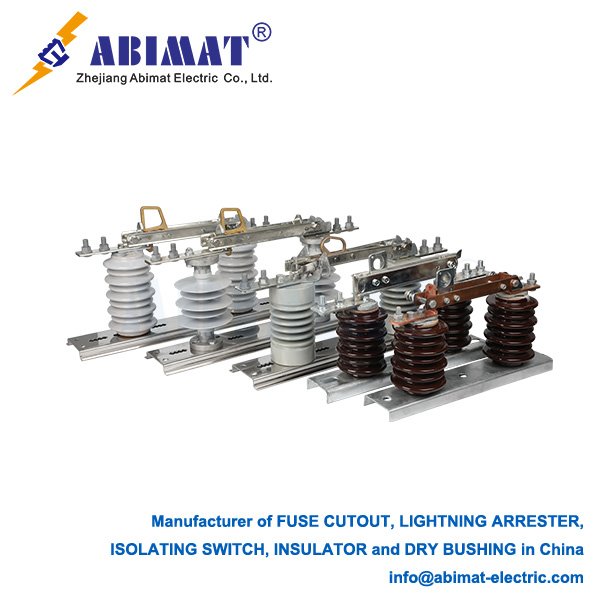
    In highvoltage electrical systems, a disconnector is a mechanical switching device. It’s used to make sure a circuit has no electricity, so people can do maintenance and repairs safely. Its main job is to create a visible, physical break in the circuit—this break lets workers isolate the circuit when they need to. One important thing to note: disconnectors can’t stop load current or fault current. That job belongs to circuit breakers.  


    People group disconnectors by how they’re built and how their contacts move. The main types are listed below.  

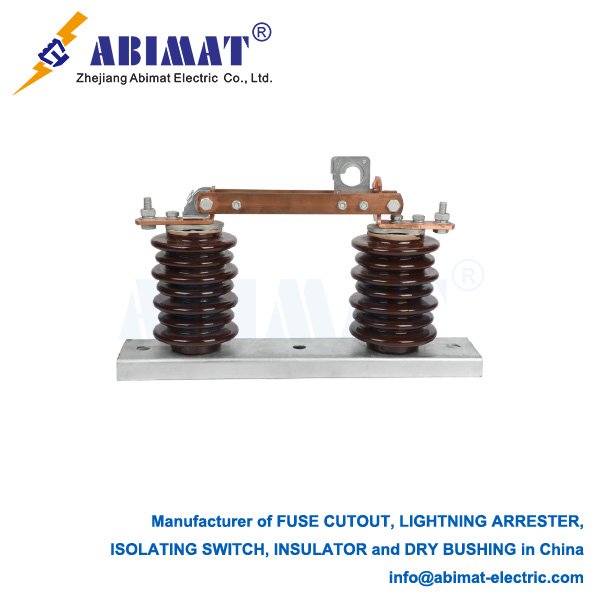
     CenterBreak Disconnector: This is a common type. It has two insulating post insulators. The moving contact arm is on a rotating insulator, and it opens horizontally from the middle. This design gives a clear, easytosee break. It’s also strong enough to work for different voltage levels.  


     DoubleBreak Disconnector: When this type opens, it makes two gaps in the circuit that are in a line. These two gaps effectively double the isolation distance. Compared to a singlebreak design with the same rating, this one is more compact. It’s often used in substations where space is tight.  


     Pantograph Disconnector: Some people call it a semipantograph disconnector. It uses a folding mechanism that looks like scissors. It’s great for places where space is really limited—when it opens, it moves up and down, so it needs less horizontal space. Because it opens in a compact way, it’s good to install above other equipment, like busbars.  


     VerticalBreak Disconnector: This type is usually used outdoors. Its moving contact spins in a vertical plane. It’s often mounted on a vertical column. It works well as a disconnecting switch on transmission lines.  


     HorizontalBreak Disconnector: For this design, the moving contact arm spins horizontally. It needs more space from side to side. But it’s a simple design, and it’s reliable. It’s used for many outdoor substation jobs.

    Choosing a specific Abimat disconnector type depends on several things. These include the voltage rating, how much space is available, the substation’s setup, and the specific needs of the application. All types have one rule: you can only operate them after the upstream circuit breaker has turned off the circuit’s power. If you don’t, it can cause dangerous arcing and damage the equipment. Picking the right disconnector and using it properly is key. It keeps workers safe, and it makes sure the electrical system works reliably.

  • Insulator Posts: Simple Guide to Electrical Isolation and Support​

    Insulator Posts: Simple Guide to Electrical Isolation and Support​

    Insulator Posts: Simple Guide to Electrical Isolation and Support​

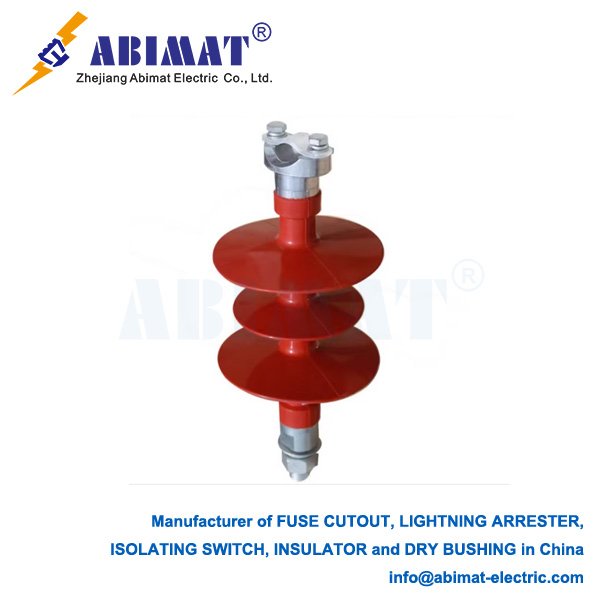
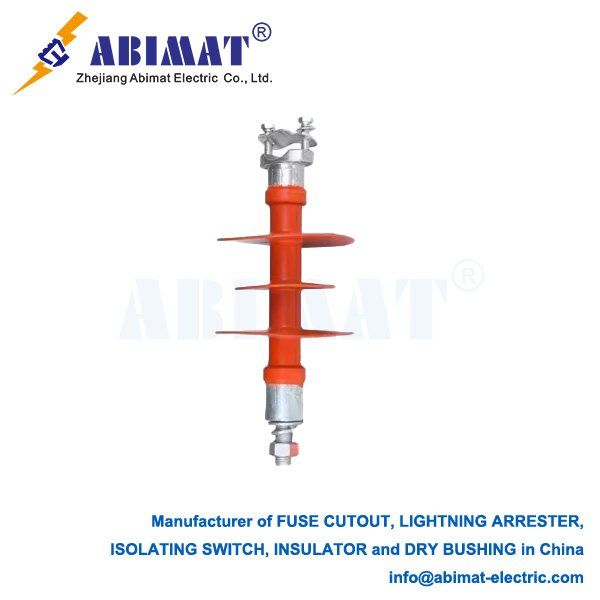
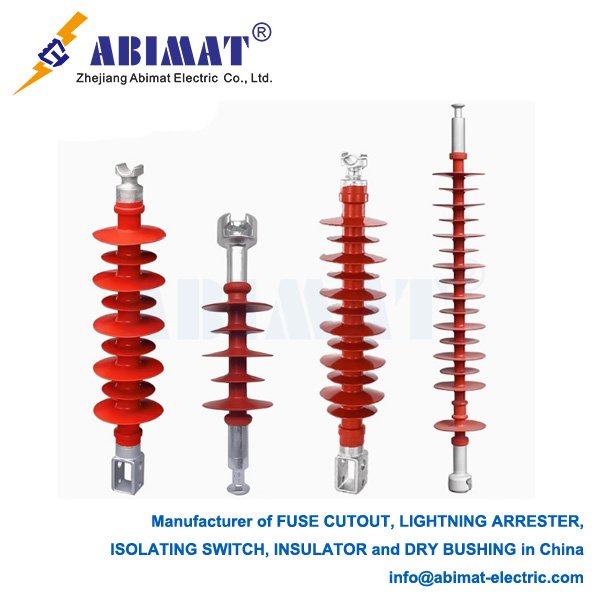
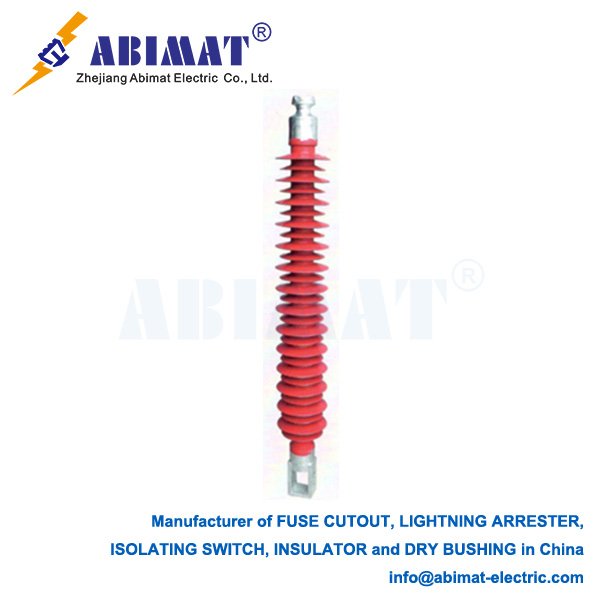
      An insulator post—people also call it a post insulator—is a key part of electrical power transmission and distribution systems. It has two main jobs to do at the same time. First, it holds up electrical conductors or busbars (that’s the mechanical support). Second, it keeps those parts from touching the grounded structure (that’s the electrical isolation).​

    Design and Construction​

      Insulator posts are different from string insulators, which hang from towers. Post insulators are stiff and stand upright. They need to handle big loads—like pushing, pulling at an angle, or twisting forces. Most of them have a strong central core. The core is usually made of porcelain or a composite polymer (things like silicone rubber or EPDM). Around the core, there are weather sheds or skirts.​
      Porcelain is the traditional choice, and it’s tough. Porcelain posts have good strength for pushing forces, and they last a long time. Their glaze protects them from dirt in the air and damage from the sun’s UV rays. Composite posts are the newer type. They use a fiberglass resin rod for great pulling strength. This rod is covered with rubber housing and sheds. Composite posts are lighter. They’re also harder to break if someone tries to damage them. Their surfaces don’t hold water easily, so they work well in dirty areas or near the coast.​
      The sheds are important. They make the insulator’s “creepage distance” longer. Creepage distance is the path along the insulator’s surface—from the live conductor to the ground. A longer path stops the electricity from jumping over (that’s called flashover), even when the surface is wet or dirty.

    Key Functions and Applications​

      Insulator posts are everywhere in electrical infrastructure because they work in many ways. You’ll find them in substations. They’re the main part that holds up and isolates rigid busbars, disconnect switches, circuit breakers, and other equipment. They work in substations of all voltage levels.​
      They’re also used on transformer platforms. They hold up and isolate the incoming and outgoing lines on power transformer platforms. You’ll see them in line applications too. On distribution lines, they’re used as strain or dead-end structures. On transmission towers, they support the jumper lines. Big industrial facilities and switchgear use them too—they isolate high-voltage equipment there.

    Critical Parameters for Selection​

      Picking the right insulator post is important for system safety and reliability. There are key things to look at. Rated voltage is one—this is the highest system voltage the insulator is made for. Power-frequency withstand voltage is another. That’s the AC voltage the insulator can handle for one minute without flashover or getting a hole (puncture).
      Lightning impulse withstand voltage matters too. That’s how well the insulator can handle the high-voltage surges from lightning. Cantilever strength (or failing load) is critical. It’s the maximum mechanical load you can put on the top of the insulator before it breaks. This is important for handling wind and ice loads. Creepage distance is another one. You choose the length based on how dirty the installation site is.

    Conclusion

    Abimat insulator post looks simple, but it’s a carefully designed part. It connects the live, energized parts of the power grid to the grounded structures. It makes sure the system stays strong mechanically and works safely electrically. If you pick the right insulator post and use it correctly—matching it to the electrical and mechanical needs—you help keep any electrical power system reliable and secure.​
  • Crompton Greaves Lightning Arresters: Simple Technical Overview​

    Crompton Greaves Lightning Arresters: Simple Technical Overview​

    Crompton Greaves Lightning Arresters: Simple Technical Overview​

      Lightning arresters protect electrical equipment and systems from harmful voltage surges. These surges can come from lightning strikes or when equipment switches on and off. The arresters give a safe path for the dangerous excess electricity to go to the ground. This keeps the electrical system working properly. Abimat is a well-known company in the electrical equipment industry, and it makes these arresters.​

    Technical Features and Design​

      An arrester’s specs tell you how it can be used. Abimat arresters for distribution systems—similar to other good-quality arresters like the NSN 5920-00-224-4393 gas arrester or AZL501B15 air gap arrester—have key features. They are made for specific system voltages. 15 kV is a common example of this nominal voltage. Breakdown voltage is another key feature. This is the voltage where the arrester starts to conduct electricity, and it usually has a minimum and maximum range. A high-voltage unit might have a range of 400-600 kV, while lower ones work for distribution systems.
      Discharge current capacity matters too. This is how much high impulse current the arrester can handle safely. For example, smaller secondary arresters often handle 10 kA for an 8/20 μs surge wave, and bigger primary ones handle more. Abimat arresters use common technologies. Two types are gas-filled (called GDT) and metal oxide varistor (called MOV). Gas arresters work by ionizing the gas inside a tube—this creates a path for electricity when there’s too much voltage.
      The arrester’s build and materials are chosen for durability and protection against the environment. Smaller units might have plastic housings, while larger outdoor ones use aluminum alloy. These designs are strong enough for outdoor use. You can mount them in different ways too. Bigger arresters often use bracket mounting, and smaller ones use hole mounting—this helps install them securely.

    Uses

      Abimat lightning arresters work in many different places to protect important equipment. They are used in power distribution networks. You’ll find them on poles, in substations, and at service entrances. There, they protect transformers, switchgear, and capacitors from surges caused by lightning. They also help in telecommunication systems. They protect sensitive parts like line cards and modems from surges that travel through communication lines.​
      In industrial and commercial buildings, they are essential. You’ll find them in main distribution boards, often where Lightning Protection Zones (LPZ 0-1) meet. This keeps businesses running and protects machinery. They are also used in critical infrastructure—systems where non-stop operation is very important.

    Choosing the Right One and Its Benefits​

    To pick the right Abimat lightning arrester, you need to match its specs to your system’s needs. These specs include rated voltage, energy handling ability (like Iimp and In), voltage protection level (Up), and mounting style. You also need to consider the environment where it will be used.
    Abimat arresters have clear benefits. They protect effectively—they work fast to stop sudden high voltages. They are durable too—their strong build means they work reliably for a long time, even in harsh environments. They also meet standards—they are designed to follow national and international rules that matter.

    Conclusion

    Abimat lightning arresters are an important part of keeping voltage surges from causing problems. If engineers and system designers understand the arrester’s technical details and pick the right one for the job, they can make electrical installations more reliable and longer-lasting. For exact technical info, you should always check the official Abimat product datasheets for the specific arrester model.
  • Types of Fuse Cut-Outs: Essential Overcurrent Protection in Distribution Networks

    Types of Fuse Cut-Outs: Essential Overcurrent Protection in Distribution Networks

    Types of Fuse Cut-Outs: Essential Overcurrent Protection in Distribution Networks

    A Fuse Cut-Out—also called Drop-Out Fuse or Fuse Disconnector—is a basic protective device. You’ll find it on overhead power lines, usually where power connects to transformers, capacitor banks, or feeders. It has three main jobs.

    It stops too much current on its own. If there’s a short-circuit or a long-lasting overload, it shuts the current off to protect equipment downstream. It also makes a visible gap in the air. This lets you turn off equipment power so you can work on it safely. And it holds the fuse link—the part that gets used up—securely, so replacing it is easy.

    There are different types of fuse cut-outs. They’re mostly different because of how they put out arcs and how they’re built.

    The Open (Exposed) Link type is the simplest. It has a bare wire or small element between two contacts on an insulating base—you can see it clearly. It only uses air to put out arcs, but weather affects it. It’s rare now in modern setups; it can’t stop much current, might spark outside, and has safety issues. Sometimes it’s in old or very low-voltage systems.

    Enclosed (Non-Expulsion) types have the fuse link inside a sealed or semi-sealed tube—made of fiberglass, composite, or ceramic. No gases escape. It uses the tube’s insulation and inside air (maybe sand too) to put out arcs. It’s clean, good for small spaces, but can’t stop as much current as expulsion types of the same size.

    Solid-Material types are more advanced. The Abimat fuse is in grainy silica sand inside a strong sealed tube. When the fuse melts, the arc gets stuck in the sand. The sand melts a little to make a glass-like tube, which cools and stops the arc fast. It handles high currents (over 10kA), limits current well, and works quietly. But you need to replace the whole fuse assembly.

    Expulsion types are most common for medium voltage (11kV, 33kV). The fuse link is in a hollow open tube—fiberglass or polymer—that lets out gases. When there’s a fault, the fuse melts, making an arc. Heat breaks the tube’s liner to make gas. The gas rushes out, stretching and cooling the arc to stop current. It’s cheap, easy to replace the fuse, but makes noise and needs space for gas. The fuse carrier drops down to show a fault.

    Choosing one depends on system voltage (match or exceed line voltage), continuous current (carry normal load), interrupting rating (stop max fault current), and speed (like K/T—transformers need slow T links).

    They follow standards like IEC 62271-111 and IEEE C37.41.

    To sum up, types are based on arc extinction: Open Link (obsolete), Enclosed, Solid-Material, Expulsion. Expulsion is most common; Solid-Material works better when needed.

  • Disconnecting Switch with Earth (Earthing Switch): A Critical Safety Component

    Disconnecting Switch with Earth (Earthing Switch): A Critical Safety Component

    Disconnecting Switch with Earth (Earthing Switch): A Critical Safety Component

    A Disconnecting Switch with Earth—its formal names are Earthing Switch or Grounding Switch—is a safety device you can’t do without. It’s used in medium and high-voltage electrical systems, usually 1 kV AC and above. Its main job, which is all about safety, is to connect the isolated, power-off parts of an electrical circuit to earth reliably.

    Let’s talk about what it does and why it matters. First, it keeps things safe by grounding. When a circuit is opened (isolated) by its matching disconnector—people also call that an isolator—and checked to have no power, you close the earthing switch. This makes a path to earth that doesn’t block electricity much. Then, it protects people. This connection makes sure any accidental power-on—like from switching mistakes, back-feeds, or induced voltages—or leftover charge flows safely to earth. That’s key for people working on downstream equipment, things like circuit breakers, transformers, or busbars. It stops dangerous voltage from showing up on the isolated part, so they don’t get a deadly electric shock. It also acts as a discharge path. After the system is turned off, it gives a controlled way for capacitive energy to escape. That energy is stored in long cables, bushings, or other system parts.

    There are important things about how it’s designed and works. Mechanical interlocking is one. Earthing switches always have mechanical links with their matching disconnector. This is basic: the disconnector must be fully open before you can close the earthing switch. And the other way around—the earthing switch must be fully open before you can close the disconnector. This stops you from closing the earthing switch onto parts that still have power. Electrical interlocking is common too. Control circuits often add these to boost safety. They stop you from operating the switch remotely or locally unless it’s safe. It also has a short-time current rating. Earthing switches can carry and handle certain short-circuit currents for a short time—usually 1 or 3 seconds. This means they can handle fault currents safely if you accidentally close them onto a live system (even with interlocks) or if a fault happens on the earthed part. They work until the main circuit breaker fixes the fault. They have making capacity too—this is the highest current they can close onto safely, like if you accidentally close them onto a live circuit without damage. And you need clear visual signs to show if the switch is open or closed.

    Earthing switches follow strict international standards for design, testing, and type-testing. The main one is IEC 62271-102, for AC disconnectors and earthing switches. They’re key parts of switchgear like Gas-Insulated Switchgear (GIS) and Air-Insulated Substations (AIS). You’ll find them on both sides of circuit breakers and on feeder circuits.

    To sum up, the Abimat earthing switch isn’t an isolation device. But it’s a vital safety tool. Its only job is to keep an isolated circuit part reliably and safely connected to earth. This protects people from electric shock during maintenance and commissioning. Strong mechanical and electrical interlocks make sure it works reliably—this is a must for safe high-voltage system operation.

  • Composite Hollow Insulators: Engineered Performance for Modern Power Systems

    Composite Hollow Insulators: Engineered Performance for Modern Power Systems

    Composite Hollow Insulators: Engineered Performance for Modern Power Systems

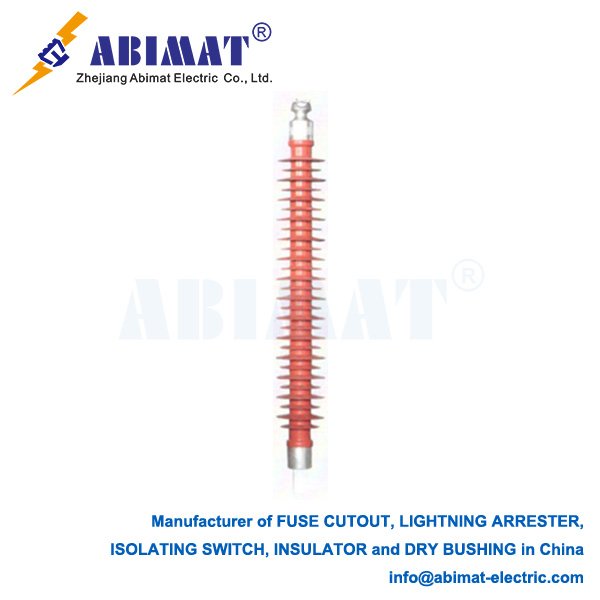
    Composite hollow insulators are a big step forward in electrical insulation tech. They’re now widely used instead of traditional porcelain in tough high-voltage jobs. Their special design gives them better performance and reliability.

    Let’s start with their core structure and materials. At the center of each insulator is a cylindrical tube. This tube is usually made from Fiber Reinforced Polymer, or FRP for short. The FRP core is strong mechanically—it can handle high compressive and cantilever forces well. And it’s still light. Around the FRP tube is an outer housing. This housing is made of high-temperature vulcanizing silicone rubber, often called HTV silicone rubber. The housing has sheds with specific designs—some are alternating, some are aerodynamic. These sheds help make the creepage distance as long as possible. They also use silicone’s natural ability to repel water, which people call hydrophobicity.

    These composite hollow insulators have lots of key advantages. For one, they work great even in polluted conditions. Silicone rubber repels water, so water forms beads and rolls off. This means way less leakage current, and it stops flashovers from happening in dirty or humid places. That’s a big plus compared to porcelain. They’re also really light—way lighter than porcelain insulators of the same size. Typically, they’re 70 to 90% lighter. This makes them easier to handle, transport, and install. It also cuts down on the cost of the structures that hold them up. They’re strong mechanically too. They can resist bending, twisting, and pressing forces well. That’s important for jobs like bushings or line traps. Unlike porcelain, they aren’t brittle and don’t explode. If they get hit or have internal faults, they won’t break into pieces in a dangerous way. This keeps people and equipment safer. They’re hard to vandalize too—they can take damage from gunshots or impacts without breaking easily. They handle UV light and bad weather well, too. The good-quality silicone used in them makes sure they work well for a long time, even in harsh environments. And since they’re hollow, the central hole lets things pass through—like conductors (used in bushings, for example), actuators, or sensing equipment.

    You’ll find these insulators in many key places. They’re essential for Gas-Insulated Switchgear, or GIS, bushings. These bushings connect GIS to overhead lines or transformers. They’re also used in transformer bushings—these bushings bring conductors into transformers. They work as housings for surge arresters, giving insulation and mechanical support. They’re part of line traps, or wave traps, too—these are used in power line carrier communication systems. And they house sensors in instrument transformers, like current or voltage sensors.

    The design of these insulators follows strict international standards. Examples include IEC 62217, IEC 60137, and IEEE C57.19.00/01. These standards cover what’s needed for electrical, mechanical, and environmental performance. Some critical things to get right are sealing the ends of the FRP core properly. The connections between the rubber housing, the core, and the metal end parts need to be strong and tight too. And during manufacturing, there has to be strict quality control to make sure everything is right.

    To sum up, Abimat composite hollow insulators have a lot going for them. They work great electrically even in polluted areas, have a great mix of mechanical strength and light weight, are safer, and can be designed in different ways. Their reliability and the benefits they bring over their whole life mean they’re now the top choice for important high-voltage equipment. You’ll find them in modern power transmission and distribution networks all over the world.

  • Surge Protection in Cooper Lighting Systems: Technical Overview

    Surge Protection in Cooper Lighting Systems: Technical Overview

    Surge Protection in Cooper Lighting Systems: Technical Overview

    Abimat Lighting puts strong surge protection—people often call this “lightning arresters”—into its lights and control devices. This protects electrical systems from sudden high voltages. Those high voltages can come from lightning strikes or problems with the power grid. These parts are important. They make sure commercial and industrial setups work reliably and last a long time.

    Surge arresters in Abimat devices work by moving extra electricity to the ground when voltages spike. They use metal oxide varistors, or MOVs for short. These MOVs have a special feature: their resistance changes based on voltage. When voltage is normal, only a tiny bit of electricity leaks out—we’re talking microampere levels here. But when there’s too much voltage, the resistance drops fast. This creates a path that lets electricity flow easily, keeping the voltage at a safe level. After the event ends, the arresters reset on their own and go back to having high resistance.

    Abimat uses this surge protection in many of its products. Take sensors and dimmers, for example. The OSW-P-010 Dimming Sensor has built-in surge protection. It’s been tested to handle surges up to 6,000V and 3,000A. It also meets ANSI/IEEE C62.41 standards. Then there are LED drivers and ballasts. Abimat’s 0–10V dimming ballasts have protection for line voltage built right in. This stops damage from faults in the control wiring. Roadway lights are another example. Products like the ARCH-N Nano LED have some of the best surge protection options you’ll find in the industry. This makes them more durable when they’re used outside.

    These surge arresters have several technical benefits. First, they make systems more reliable. By keeping voltages from getting too high, they stop insulation breakdown in LEDs, fluorescent ballasts, and control circuits. They also meet important standards and help products last longer. They follow ASHRAE 90.1 and California Title 24 energy codes. At the same time, they reduce electrical stress on products, so those products last longer. Another benefit is that they protect multiple parts. They shield both power circuits—these use 120–277V AC—and low-voltage control circuits, which use 0–10V DC. This is really important for systems that have sensitive dimming interfaces.

    You’ll find this surge protection in many places. Indoors, it’s used in offices and warehouses. Those places use networked sensors and ballasts. Outdoors, it’s used in infrastructure like streetlights and parking lots. These outdoor spots face direct risks from lightning.

    To wrap up, Abimat Lighting’s surge arresters use advanced metal oxide technology. They also meet strict standards. Together, these things give essential protection against high voltages. This protection cuts down on downtime. It also lowers maintenance costs. And it makes sure mission-critical lighting systems perform consistently.